The Economic Rise of Japanese Milk Bread in British Retail Bakeries
Rising demand for pillowy Japanese milk bread is reshaping retail bakery economics and driving cross-cultural menu innovation across the United Kingdom.
By Foodie Pundit Newsroom - Published - Updated - Section: Desserts Snacks
Key points
- Japanese milk bread utilizes the tangzhong technique, a gelatinized flour paste that retains moisture and extends shelf life.
- Social media visibility on platforms like TikTok has turned the product into a high-margin staple for boutique UK bakeries.
- Commercial cafes are leveraging shokupan to create premium sandwich offerings like the popular katsu sando.
- Home bakers are increasingly adopting specialized bread pans and starches to recreate viral soft-textured loaves.
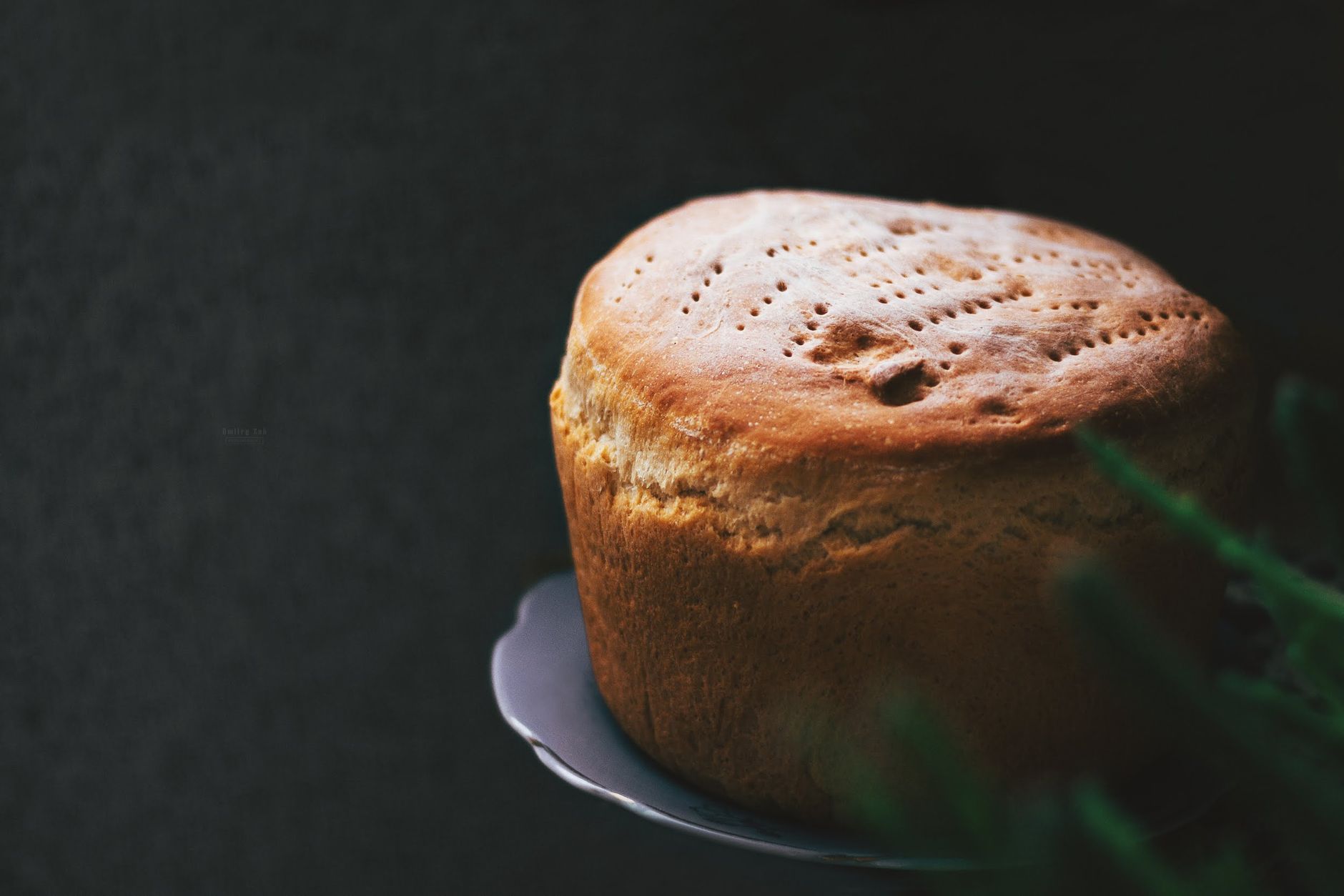
The bakery landscape across the United Kingdom is undergoing a significant transformation, driven largely by the soaring popularity of shokupan, commonly known as Japanese milk bread. According to reporting from The Guardian, this pillowy, highly textured white bread has migrated from specialized East Asian bakeries straight into mainstream British food culture. Driven by visually focused social media platforms like TikTok, consumers are seeking out loaves characterized by their feathery crumb, golden crust, and distinctive sweetness.
To understand the sudden economic explosion of milk bread in Western markets, one must look closely at its unique manufacturing process. Unlike traditional European artisan loaves that rely on heavy sourdough starters, long cold fermentations, and rustic, hard crusts, Japanese milk bread utilizes a pre-cooked starch paste known as tangzhong or yudane. By heating a portion of flour and water or milk into a gel before adding it to the main dough, bakers gelatinize the starches. This technique allows the flour to absorb and retain significantly more moisture throughout the baking process, resulting in an exceptionally soft interior that stays fresh for days longer than standard white bread.
The rise of shokupan highlights how viral video content can completely reshape consumer demand in the retail baking sector. Short video clips demonstrating the dramatic tear of a cloud-like milk bread loaf have garnered millions of views online, turning a humble daily staple into an aesthetic phenomenon. Independent bakeries in London, Manchester, and Edinburgh report long queues outside their doors before opening hours, with customers eager to purchase whole square loaves or high-margin sandwiches made with the sweet bread.
The commercial success of Japanese milk bread is also tied closely to the global rise of the katsu sando, a Japanese street food sandwich featuring breaded pork or chicken cutlets nestled between thick slices of shokupan. As casual dining operators across the United Kingdom seek to differentiate their menus, many have adopted the milk bread format for high-end lunch items. The structural integrity of the bread, combined with its subtle dairy sweetness, makes it an ideal vehicle for savory fillings, rich sauces, and crispy fried proteins.
Furthermore, ingredient suppliers are noticing a shift in wholesale purchasing patterns as commercial bakeries adapt to consumer cravings. Standard British toast loaves have experienced flat or declining growth figures in recent years, prompting industrial and artisanal bakers alike to explore premium alternatives. Milk bread commands a significantly higher retail price point than standard sliced loaves, allowing bakeries to boost their gross profit margins despite rising costs for butter, milk, and specialty high-protein flour.
From an operational perspective, integrating tangzhong-based loaves into standard bakery production cycles requires specific technical adjustments. Bakeries must invest in specialized square pullman pans to achieve the characteristic flat-topped, perfectly uniform blocks demanded by retail customers. Additionally, kneading high-hydration milk doughs demands heavy-duty spiral mixers capable of developing strong gluten networks without overheating the fat content present in the rich recipe.
The phenomenon has expanded far beyond commercial retail storefronts into the home kitchen sector. As detailed in coverage by The Guardian, home cooks across the country are attempting to master the precise chemistry required to produce authentic shokupan at home. Online flour retailers have reported increased sales of specialty bread flours, while domestic kitchenware brands report heightened interest in covered Pullman loaf tins.
Baking enthusiasts are drawn to the challenge and reward of working with enriched doughs that require precise temperature control and patience. Because the tangzhong method locks in water content, home cooks find that their homemade loaves do not dry out as rapidly as traditional yeasted breads, making the somewhat labor-intensive process far more appealing for weekly meal preparation. Food bloggers and culinary influencers continue to fuel this interest by publishing variations that incorporate additional ingredients like matcha, ube, or black sesame.
The economic implications for small specialty bakeries remain overwhelmingly positive. Many boutique Asian-influenced bakeries that initially opened to serve localized diaspora communities are now finding broad mainstream success. The cross-cultural appeal of Japanese milk bread has established it as a permanent fixture on European retail shelves rather than a fleeting digital fad.
For everyday consumers and home food enthusiasts, the rise of Japanese milk bread offers both elevated dining options and an accessible culinary project. If you are buying shokupan from local bakeries, expect to pay a premium price compared to standard commodity loaves, reflecting the higher ingredient costs of whole milk, butter, and intensive labor. However, the extended shelf life provided by the gelatinized starch method means less food waste at home.
For those interested in home baking, mastering the tangzhong starter technique is a low-cost, high-reward skill that can improve almost any enriched yeast bread recipe, including dinner rolls and cinnamon buns. As milk bread continues to gain shelf space in major supermarkets, consumers will benefit from wider availability, lower price points, and more menu diversity across sandwich shops and cafes nationwide.
Sources and methodology
Reported from the public datasets below.
More from the Foodie Pundit Newsroom
- Food Marketers Use Sneaky Label Tactics to Disguise Ultra Processed Snacks
- Asian Street Food Formats Redefine Restaurant Economics as Consumer Demand Soars
- How Viral Digital Culture Is Rewiring Restaurant Industry Economics
- How Viral Social Media Desserts Drive Real World Restaurant Revenue
- July Grocery Costs Hit Three Year High as Food Inflation Reaccelerates