The Girl Dinner Debacle: Inside the Viral Snack Plate Trend Transforming Mealtime
Foodie Pundit breaks down the viral TikTok meal trend, exploring its nutritional impacts, economic roots, and influence on restaurant menus.
By Foodie Pundit Newsroom - Published - Updated - Section: Desserts Snacks
Key points
- The girl dinner trend on TikTok highlights a massive consumer shift toward snack-based, low-prep meals.
- Nutritionists warn that while snack plates offer flexibility, some viral versions lack sufficient calories and balanced nutrients.
- Rising inflation and busy schedules are driving consumers away from traditional weeknight cooking toward pantry-style assembly meals.
- Retailers and restaurant operators are capitalizing on the movement by expanding small-plate, tapas, and snack-box offerings.
The viral internet phenomenon known as girl dinner has officially jumped from social media feeds into the broader mainstream culinary conversation. Originating on TikTok, the trend typically features an aesthetically pleasing assembly of snack items, side dishes, and random pantry staples served together on a single plate or board. What began as a lighthearted video sharing habit has morphed into a fierce debate among nutritionists, cultural commentators, and consumer behavioral analysts who are analyzing what this shift says about modern eating habits.
Reporting from The Independent highlights how the trend captured global attention by validating an eating style that many people secretly practiced for years. Instead of cooking a traditional hot meal involving multiple prep steps, followers of the trend combine items like sliced cheese, grapes, olives, boiled eggs, pickles, crackers, and tinned fish. The appeal lies largely in its extreme convenience, minimal cleanup, and total lack of culinary rules.
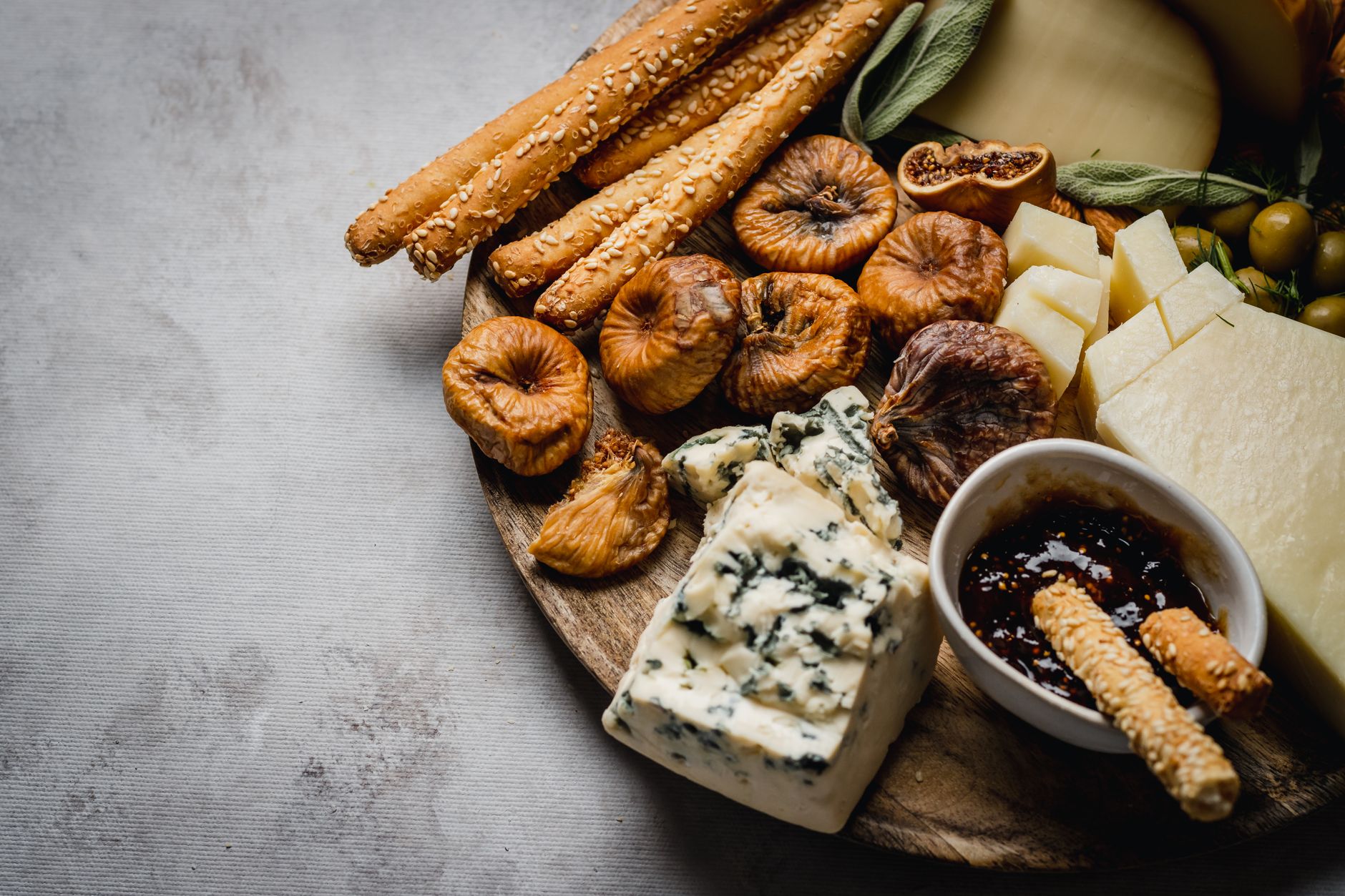
At its core, the girl dinner concept relies on the assembly of contrasting flavors and textures without traditional cooking methods. Proponents argue that it represents an intuitive approach to eating, allowing individuals to satisfy specific cravings without committing to a heavy, single-protein meal. The visual presentation often mirrors a simplified charcuterie board, which lends a sense of indulgence to what is essentially a collection of disparate snacks.
However, the trend has attracted significant criticism from health professionals who worry about nutritional balance and portion sizes. Nutrition experts cited in recent industry evaluations point out that while a snack plate can theoretically provide balanced nutrition, many social media iterations lack adequate calories, protein, or dietary fiber. Some viral videos display meals consisting almost entirely of low-calorie snacks, prompting concerns that the trend could inadvertently glorify restrictive eating patterns.
Beyond the nutritional debate, market analysts view the rise of snack-based meals as a direct response to economic pressures and shifting lifestyle demands. Rising grocery prices and persistent food inflation have caused many consumers to rethink their weekly meal planning strategies. As traditional grocery basket items become more expensive, assembling a meal from existing pantry ingredients offers a cost-effective alternative to buying fresh produce and large cuts of meat that might go to waste.
Furthermore, changing work patterns and busy schedules have reduced the amount of time urban consumers are willing to spend in the kitchen during weeknights. Restaurant industry operators have taken notice of this shift, observing that consumer interest in traditional three-course dining is evolving toward casual, small-plate concepts. The psychological barrier to cooking a full meal after a long workday has created a massive market for quick, low-effort food solutions.
The commercial sector has moved quickly to capitalize on the girl dinner movement. CPG brands and grocery retailers have adapted their marketing strategies to highlight convenient snack pairings, pre-sliced cheeses, cured meats, and ready-to-eat produce items. Supermarket chains in major metropolitan areas have even experimented with targeted end-cap displays that bundle classic snack plate components together for easy impulse buying.
Foodservice operators are also analyzing how this consumer preference impacts casual dining and takeaway operations. Fast-casual concepts are increasingly offering customizable snack boxes, tapas-style platters, and grazing options designed for single diners. By offering varied, smaller portions of high-margin items like artisanal cheeses, dips, and cured meats, operators can maintain healthy profit margins while catering to the growing demand for flexible eating options.
Health experts emphasize that there is nothing inherently wrong with eating a meal comprised of small snacks, provided the components are chosen thoughtfully. A well-constructed snack plate can offer an array of micronutrients by incorporating a wide variety of whole foods. To create a nutritionally complete option, dietitians recommend including a lean protein source, complex carbohydrates, healthy fats, and a serving of fresh fruits or vegetables.
The potential issue arises when the social media trend prioritizes aesthetic appeal over substance. When snack plates are constructed primarily for likes and views, they may fail to meet the baseline energy requirements of an active adult. Industry observers suggest that consumers should treat social media food trends as inspiration rather than strict nutritional guidelines, adapting the underlying concept to suit their personal dietary needs.
For the average consumer, the popularity of the snack plate trend offers a practical blueprint for low-stress weeknight dining. You do not need to spend hours in the kitchen or follow rigid recipes to eat a satisfying dinner. As long as you ensure your plate contains adequate protein, healthy fats, and fiber, assembling a collection of simple pantry items is a perfectly valid and convenient meal strategy.
For restaurant goers and grocery shoppers, expect to see even more curated, small-bite options on retail shelves and restaurant menus in the coming months. Brands will continue to expand their convenience offerings to cater to single diners and snack-oriented consumers. Embracing this flexible style of eating can help reduce food waste at home while saving both time and money on your weekly food budget.
Sources and methodology
Reported from the public datasets below.
More from the Foodie Pundit Newsroom
- Plant Based Meat Maker Rolls Out Formulated Product Line to Supermarkets Nationwide
- How Viral Cooking Trends Are Ruining Everyday Cookware and Changing Kitchen Economics
- Grocery Inflation Cools but Key Staples Show Mixed Trends Across Supermarket Aisles
- Fresh Kitchen Appears Destined for Heritage Harbour, According to Leasing Plans
- Summer Dining Surge Prompts Restaurants To Pivot On Staffing Strategies