The Great Dessert Overhaul How Restaurants Are Upgrading Sweet Menus for Profit and Social Media
Restaurant operators are updating classic pastry menus with dynamic textures, global flavors, and high-margin visual presentations to capture diner spend.
By Foodie Pundit Newsroom - Published - Updated - Section: Desserts Snacks
Key points
- Standard legacy desserts are being replaced by complex, visually striking creations featuring global flavors like matcha, ube, and yuzu.
- Operators are reinventing familiar comfort items like cookies and bars using premium techniques like brown butter and single-origin chocolate to boost margins.
- Cross-utilizing ingredients between savory stations, the bar, and the pastry prep area allows kitchens to lower waste and manage labor costs.
- Dynamic texture contrast and thermal variation have become essential elements in driving guest satisfaction and order frequency.
The commercial baking and restaurant sector is undergoing a quiet revolution in dessert menu design, driven by shifting consumer preferences and tightening operator margins. Standard legacy offerings that once dominated dining menus, including basic molten chocolate cakes and standard sheet brownies, are seeing diminished consumer interest. In their place, culinary operators are introducing elevated sweet items that feature complex textures, functional ingredients, and visual elements optimized for modern digital sharing culture. Recent industry analysis by Bake Magazine highlights how bakeries and casual dining establishments are restructuring their pastry operations to maximize profitability while capturing younger demographic interest.
The modern consumer expects a dessert to deliver more than simple sweetness, leaning toward layered flavor profiles that incorporate botanical elements, global spices, and variable temperatures. This shift is prompting menu developers to reimagine classic baked goods through creative reinvention, often referred to within the trade as a menu glow up. By updating established formats with high-value ingredients like targeted single-origin cacao, yuzu, or tahini, operators can justify higher price points while keeping raw labor costs manageable.
THE EVOLUTION OF VISUAL DESSERT ARCHITECTURE
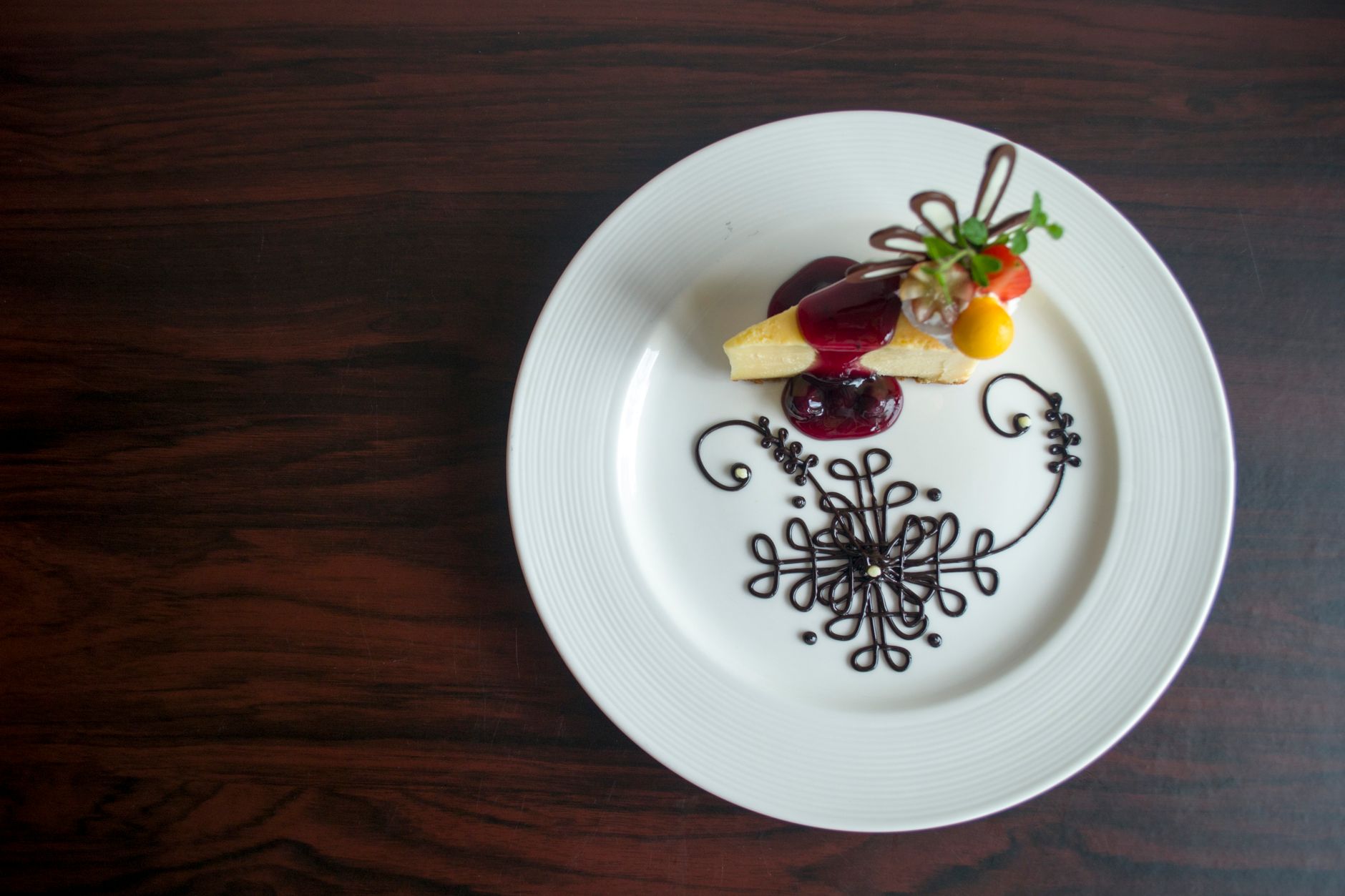
Visual presentation has become a primary driver of dessert sales, influencing initial order decisions before a guest ever tastes the dish. Social media platforms continue to dictate how pastry chefs construct dishes, with an emphasis on dramatic contrast, vibrant natural colors, and interactive tableside assembly. Bright botanical infusions like ube, matcha, and hibiscus are replacing artificial food dyes, offering striking hues alongside subtle, sophisticated flavor profiles that appeal to health-conscious diners.
This focus on aesthetics does not mean operators are sacrificing taste for appearance. Successful concepts are balancing visual impact with structural integrity, ensuring that transportable items maintain their form during off-premises delivery. Layered verrines, geometrically complex tartlets, and stuffed laminated pastries allow bakeries to showcase technical skill while offering products that photograph exceptionally well under casual lighting conditions.
While exotic flavor pairings are gaining traction, comfort foods remain a crucial anchor for dessert sales across all market segments. The strategy currently gaining momentum involves transforming standard comfort items into premium, high-margin showcase items. The humble cookie, for example, has evolved from a simple side offering into a massive, multi-tiered artisan product packed with gourmet mix-ins, liquid centers, and artisanal sea salts.
Similarly, traditional brown bakery items like cookies and bars are receiving sophisticated upgrades through the inclusion of brown butter, toasted milk powders, and single-estate chocolates. Operators reporting to Bake Magazine note that consumers are willing to pay a notable premium for a recognizable item if it features an elevated, high-craft preparation method. This allows kitchens to maintain high gross profit margins without introducing high-waste, perishable ingredients into their daily prep lines.
Another major trend reshaping pastry menus is the deliberate integration of opposing textures and dynamic thermal elements. Modern dessert composition increasingly relies on pairing hot and cold, or smooth and crunchy, to create a memorable sensory event for the diner. Creamy bases like panna cotta, silky custard, or soft serve are now consistently paired with brittle tuiles, dehydrated fruit chips, or toasted grain crumbles to create textural contrast.
This dynamic approach extends into the frozen dessert space, where traditional ice cream scoops are being replaced by shaved ice desserts, elevated gelato formulations, and house-made soft serve infused with unexpected savory components. By incorporating ingredients like extra virgin olive oil, smoked salt, or chili crisp into frozen applications, operators are able to create signature offerings that differentiate their brand in an increasingly crowded fast-casual marketplace.
OPERATIONAL EFFICIENCY AND MARGIN REALITIES
Behind the aesthetic improvements lies a hard economic reality facing today's food services sector. Rising labor costs and fluctuating ingredient prices mean that dessert programs must operate with extreme efficiency to remain viable. Kitchens are increasingly relying on versatile base preparations, frozen par-baked components, and streamlined execution models that minimize the need for specialized pastry staff during busy dinner shifts.
Cross-utilizing ingredients between the bar, savory kitchen, and pastry station has become standard practice for high-performing restaurant groups. Herbs like rosemary and basil, alongside seasonal fruit purées and citrus zests, now routinely cross back and forth across the line. This practice reduces total SKU counts in the walk-in refrigerator, minimizes food waste, and creates a cohesive flavor narrative across the entire dining room menu.
For the average consumer, these industry adjustments mean that dessert menus will continue to grow more visually engaging, diverse, and complex. Expect to see fewer repetitive, ultra-heavy chocolate options and more light, balanced creations that leverage global ingredients, unique botanical notes, and unexpected crunch elements. Diners will also notice more tableside presentations and interactive menu items designed specifically to yield striking photos and videos.
On the pricing side, expect premium positioning for these re-engineered sweets. While the cost of dining out continues to trend upward, elevated desserts offer an affordable luxury that allows consumers to treat themselves without committing to a full fine-dining price tag. Whether ordering a massive filled cookie from a neighborhood bakery or an artfully layered panna cotta at a casual bistro, guests can anticipate higher quality ingredients and far more thoughtful culinary craft in the sweet category over the coming year.
Sources and methodology
Reported from the public datasets below.
More from the Foodie Pundit Newsroom
- The Evolution of Pastry Menus as Operators Pivot to High-Impact Sweets
- Beyond the Brownie: How Pastry Programs Are Modernizing Legacy Sweets for Higher Margins
- Retail Bakeries Overhaul Menus as Consumers Demand Premium Dessert Transformations
- McDonald's Enhances Iconic McNugget Line To Boost Fast Food Market Share
- Chick-fil-A Explores Nashville Hot Flavor Segment Amid Rising Spicy Menu Competition