The Great Tablet Swivel and the End of Tipping as We Knew It
The Great Tablet Swivel and the End of Tipping as We Knew It
By Foodie Pundit Newsroom - Published - Updated - Section: Food Culture
Key points
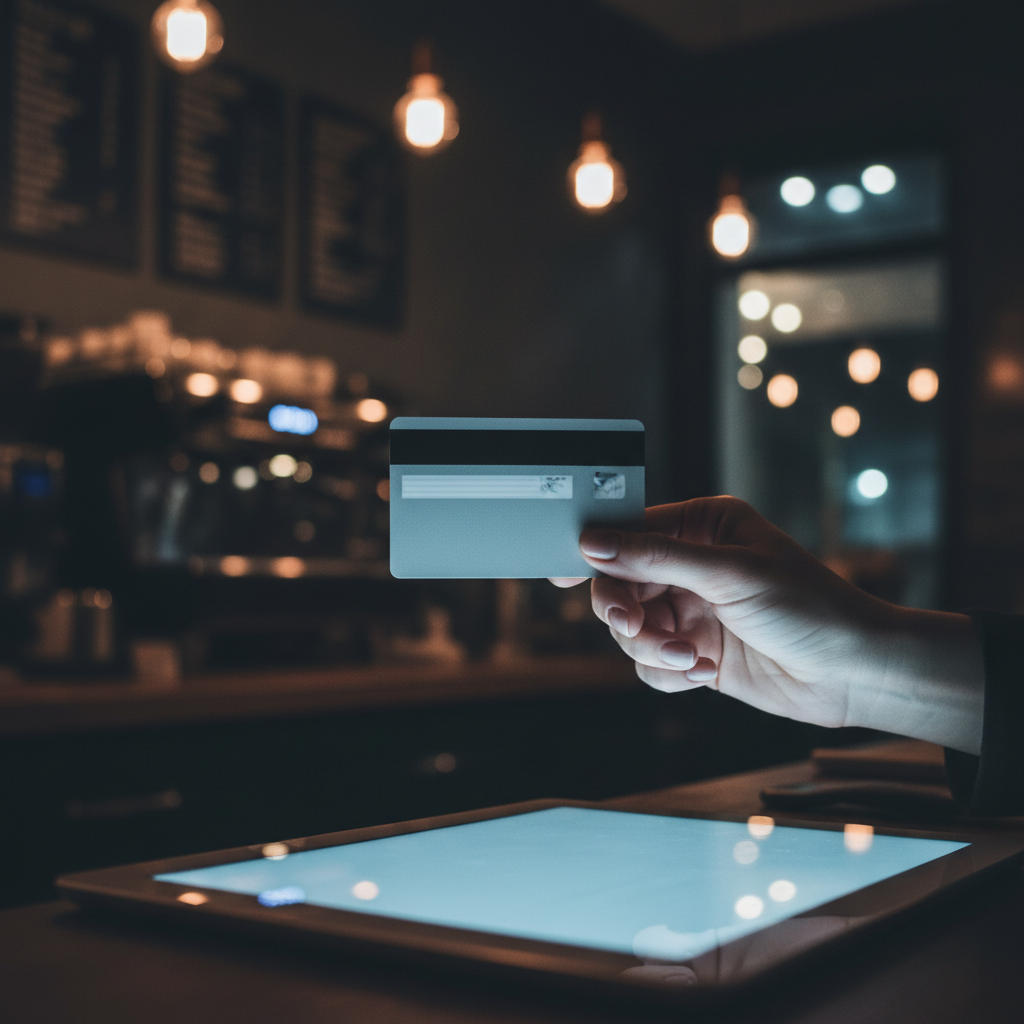
- Point-of-sale systems often use psychological 'nudges' like high default options and social pressure to increase gratuity amounts, frequently creating diner resentment.
- The prevalence of these aggressive tipping screens is a direct result of economic pressures on restaurants, including rising labor costs and the widespread shift to cashless, digital transactions.
- Alternative compensation models, such as 'service-included' pricing and mandatory but transparent service charges, aim to provide staff with stable, livable wages, but face their own challenges with customer perception and implementation.
- For restaurants sticking with a gratuity model, clear communication about how earnings are distributed and a less coercive user interface design are critical to rebuilding trust with customers.
This report is part of Foodie Pundit premium coverage. Foodie Pundit members read the full story. See membership.
Sources and methodology
Reported from the public datasets below.
More from the Foodie Pundit Newsroom
- Why Your Pantry Is Slowly Turning Into A Costco Showroom
- Your Feed's $45 Crab Special Is An All Out War
- The Automated Kitchen: More Machine Than Human?
- 7-Eleven Wrongful Death Suit: When Toxic Management Turns Fatal and Corporate HR Ignores the Red Flags
- The Grocery Giant On Trial: Albertsons Pharmacy 'House Of Cards' Allegations Unpacked