The Science Behind Girl Dinner: How Grazing Boards Support Microbiome Health
Dietitians suggest that the viral snack board trend offers genuine digestive benefits when assembled with diverse, fiber-rich ingredients.
By Foodie Pundit Newsroom - Published - Updated - Section: Desserts Snacks
Key points
- Grazing boards facilitate gut microbiome diversity by introducing multiple plant species in a single meal.
- Dietitians emphasize balancing sodium and saturated fats with fresh produce, unrefined grains, and fermented foods.
- Economic pressures and lower prep barriers continue to drive consumer adoption of casual, small-plate dining patterns.
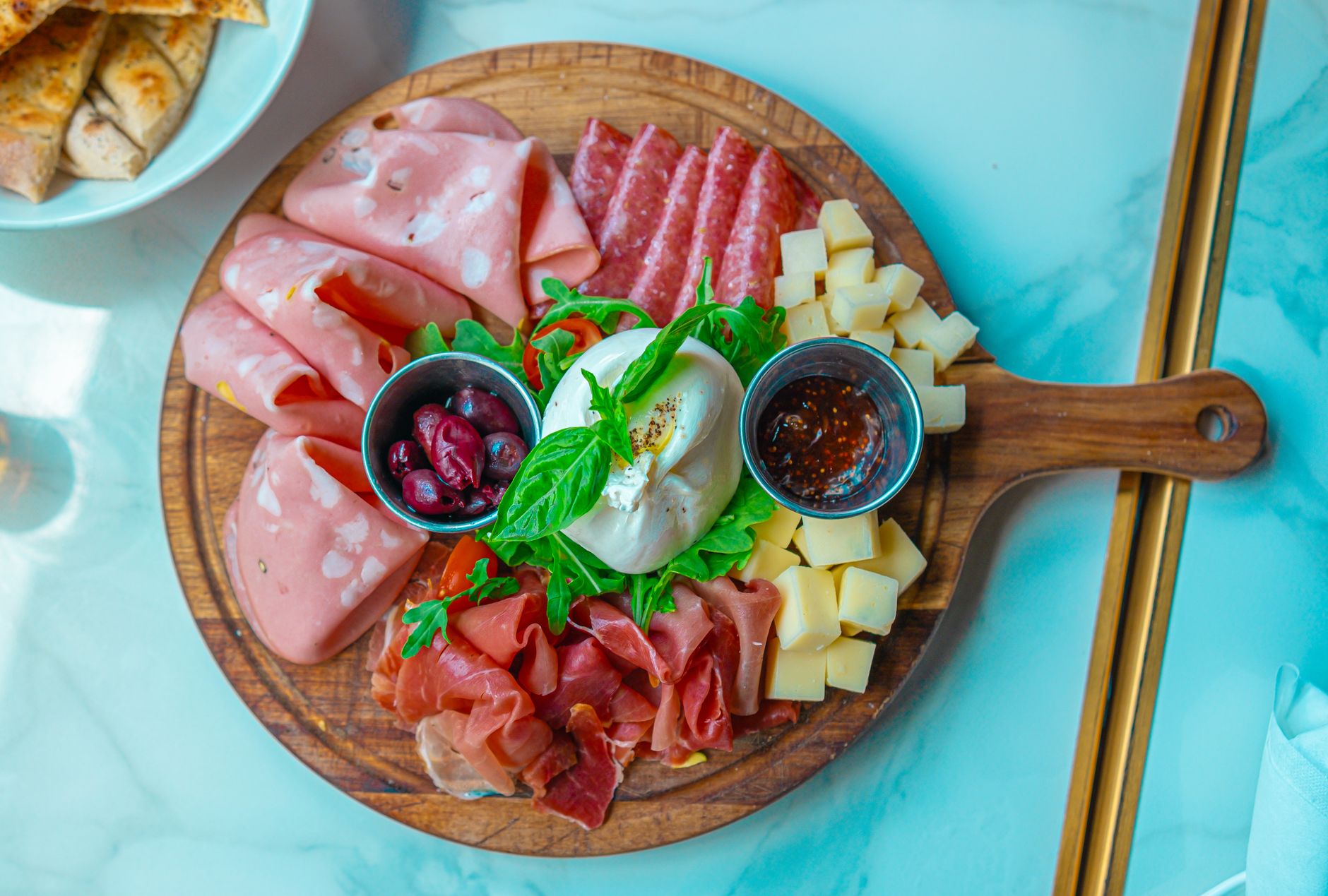
What started as a viral social media phenomenon under the banner of girl dinner has evolved into a serious topic of discussion among nutritionists and consumer behavior analysts. The trend involves replacing traditional structured meals with a curated assortment of small bites, such as cheese, fruits, nuts, pickles, cured meats, and crackers spread across a single plate or board. While early internet discourse treated the practice as a quirky manifestation of convenience culture, recent food intelligence indicates that the underlying eating pattern holds genuine nutritional merit when executed thoughtfully.
Reporting by Today highlights how dietitians and health professionals are now re-evaluating the trend through the lens of modern gastrointestinal health. Rather than dismissing grazing as an unstructured diet habit, experts note that diverse food assortments align naturally with contemporary recommendations for gut microbiome health. The practice of assembling small portions of distinct ingredients encourages culinary variety, which is widely considered a foundational element of sound human nutrition.
The primary advantage of a well-balanced snack platter lies in its capacity to deliver a wide array of plant-based compounds in a single sitting. Gastrointestinal researchers consistently emphasize that eating a high number of unique plant species each week fosters a robust and varied gut microbiome. When a grazing plate incorporates items such as raw almonds, sliced apples, fermented pickles, whole grain crisps, and fresh berries, the consumer easily ingests multiple distinct dietary fibers and polyphenols.
Dietitians interviewed in the Today coverage point out that traditional dinner formats often focus on a single protein paired with a large carbohydrate portion and one vegetable side. This structure, while familiar, can limit the total diversity of fiber types consumed during the evening meal. In contrast, the assembly of six or seven smaller food items naturally invites greater variety, satisfying complex flavor cravings while simultaneously feeding beneficial gut bacteria.
Beyond the micro-nutritional benefits, the casual nature of grazing alters the psychological relationship many consumers have with their evening meal. The absence of cooking requirements lowers the barrier to preparing a meal at home, reducing reliance on ultra-processed takeout options after a long workday. Furthermore, selecting individual items from a shared or personal board encourages a slower eating pace, allowing internal satiety cues time to register properly.
However, nutritionists caution that the nutritional quality of a grazing plate depends entirely on ingredient selection. A board dominated exclusively by high-sodium processed meats, refined flour crackers, and heavy spreads can quickly exceed recommended daily limits for saturated fats and sodium. To achieve optimal health benefits, experts suggest constructing boards around a core foundation of fresh produce, lean proteins like hard-boiled eggs or hummus, and unrefined grains.
The normalization of unstructured, grazing-style dining has sent ripple effects throughout the broader food and beverage market. Grocery retailers report sustained sales growth in pre-packaged charcuterie components, specialty cheeses, and single-serve snack kits designed to emulate the trend at home. Consumers are increasingly seeking out premium canned seafood, exotic dried fruits, and artisanal crackers to elevate their personal evening boards.
In the food service sector, operators are adapting their menu design strategies to capture this shift in consumer behavior. Tapas menus, customizable small-plate concepts, and upscale bar snacks are experiencing renewed popularity as diners seek out interactive, varied eating experiences when dining out. Restaurant brands that offer varied tasting boards or customizable snack flights are uniquely positioned to capitalize on this enduring consumer preference for flexibility and variety.
Economic factors also play a critical role in sustaining the popularity of snack-centric dining. High food inflation and rising menu prices at traditional full-service restaurants have prompted many consumers to seek cost-effective dining alternatives at home. Assembling a plate from existing pantry staples and small portions of specialty items often proves significantly less expensive than preparing a complex multi-course recipe or ordering delivery.
Additionally, the trend reflects broader shifts in household demographics, including an increasing number of single-person households where traditional batch cooking often leads to food waste. Small-scale grazing allows individuals to tailor meal sizes precisely to their immediate appetite, minimizing wasted ingredients and maximizing culinary satisfaction. This intersection of economic efficiency, convenience, and health positioning ensures that the trend will remain a fixture of modern food culture.
For the average consumer, transforming a casual grazing board into a genuinely nutritious dinner requires only a few deliberate ingredient choices. Start by filling at least half of your plate with colorful, raw or lightly prepared fruits and vegetables to maximize your intake of dietary fiber and essential micronutrients. Incorporate fermented foods like kimchi, sauerkraut, or cultured cheeses to actively support your digestive health with natural probiotics.
When selecting packaged components, opt for whole grain crackers and raw or dry-roasted nuts rather than heavily salted or fried snacks. Balance rich items like cured meats or dense cheeses with lighter proteins such as edamame, pumpkin seeds, or Greek-yogurt-based dips. By consciously balancing flavors and food groups, you can enjoy the ultimate convenience of a low-prep evening meal while delivering substantial benefits to your digestive system.
Sources and methodology
Reported from the public datasets below.
More from the Foodie Pundit Newsroom
- How Fermented Foods Are Transforming Restaurant Menus and Kitchen Operations
- The Downtowner Plans to Bring Breakfast and Local Fare to Gulfport
- Analyzing the True Economic and Culinary Value of Viral Digital Recipes
- Gen Z Reshapes Restaurant Economics Through Unconventional Dining Habits
- Early Dinner Shift Redefines Restaurant Economics and Consumer Health