The Science of the Dessert Glow Up: How Bakeries Are Modernizing Classic Sweets for Higher Margins
Commercial bakeries are revamping classic recipes with vibrant colors, exotic textures, and savory pairings to boost margins and attract digital-native consumer
By Foodie Pundit Newsroom - Published - Updated - Section: Desserts Snacks
Key points
- Bakeries are replacing basic items like standard brownies with complex, multi-textured pastries that command higher prices.
- Savory-sweet combinations and globally inspired flavors like ube, matcha, and miso are driving current sales growth.
- Visual presentation and social media shareability are key factors in modern pastry development and foot traffic generation.
- Overly sugary items with artificial flavorings and basic buttercreams are experiencing a steady decline in popularity.
The commercial baking sector is undergoing a profound transformation as operators redesign classic sweet offerings to meet shifting consumer demands. Traditional sheet cakes and standard chocolate brownies are no longer sufficient to drive impulse purchases in competitive retail environments. Modern consumers increasingly seek visually stunning, multi-textured, and flavor-forward creations that justify premium price points.
Industry reporting from Bake Magazine highlights how bakeries are modernizing foundational recipes through innovative ingredients and precise presentation techniques. The trend, often described within the sector as a dessert glow up, focuses on transforming nostalgic comfort foods into sophisticated artisanal products. This movement is driven by both changing taste preferences and the visual demands of digital media culture.
Rising supply costs and changing foot traffic patterns have forced bakery owners to reevaluate their display cases. Simply offering large portions of basic items yields lower profit margins compared to smaller, highly curated items with elevated flavor profiles. As a result, pastry chefs are leveraging premium single-origin chocolates, exotic botanical extracts, and complex textural elements to reinvent familiar favorites.
Visually arresting pastries with layered textures are currently outperforming traditional baked goods across independent and commercial bakeries. Laminated doughs featuring vibrant, naturally derived colors like matcha green, ube purple, and pitaya pink draw immediate customer attention. These items combine the familiar buttery crunch of classic viennoiserie with unexpected, globally inspired fillings such as passionfruit curd, black sesame paste, or cardamom cream.
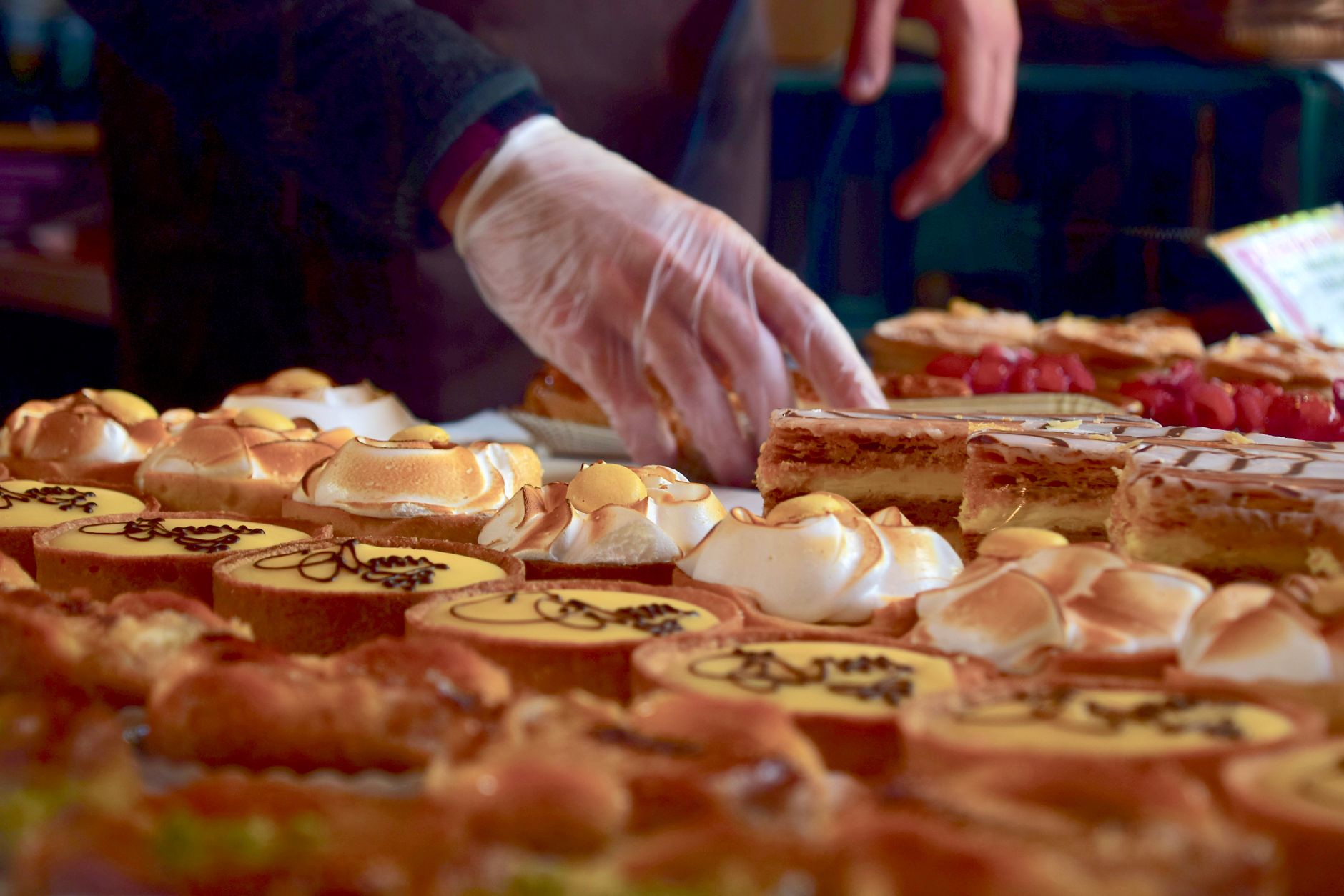
Individual portion sizes designed for single-serve indulgence represent another major growth area for modern bakery operations. Miniature tarts featuring hyper-polished mirror glazes and intricate chocolate garnishes allow consumers to enjoy luxury desserts without committing to full-sized cakes. These personal indulgences carry significantly higher profit margins per ounce compared to traditional bulk baked goods.
Savory and sweet combinations continue to expand their footprint on bakery menus nationwide. Bakers are moving beyond simple salted caramel to explore complex pairings like hot honey ricotta Danishes, olive oil cakes infused with rosemary and citrus, and miso-caramel brownies. These subtle flavor adjustments cater to mature palates seeking balanced, less cloying dessert options.
As dynamic textures and complex flavors take center stage, overly simplistic and excessively sweet desserts are experiencing a noticeable decline in consumer interest. Mass-produced frosted cupcakes featuring thick layers of sugary American buttercream are losing display case real estate. Consumers increasingly view these items as outdated and uninventive compared to modern multi-component pastries.
Standard oversized cookies and basic blondies without unique flavor twists are also struggling to maintain sales volume. While basic comfort foods still hold a place in home kitchens, restaurant diners and bakery patrons hesitate to pay premium retail prices for items they feel can be easily replicated at home. Plain baked goods lacking distinct visual appeal fail to generate the social media engagement that drives modern foot traffic.
Furthermore, artificial food dyes and overly synthetic flavorings are falling out of favor with health-conscious buyers. Today's consumers scrutinize ingredient decks and prefer natural colorants derived from real fruits, vegetables, and superfood powders. Bakeries relying on artificial toppings and hyper-processed fillings are finding it increasingly difficult to retain market share among younger demographic groups.
Redesigning a dessert menu requires deliberate financial planning and staff training. Incorporating high-end ingredients like premium couverture chocolate, vanilla bean paste, and imported nut pastes increases raw material expenditures. However, operators report that customers are willing to accept substantially higher retail price points for items that demonstrate clear craft and high aesthetic value.
Inventory management becomes more critical when transitioning to elevated dessert programs. Specialty ingredients often carry shorter shelf lives or require specific storage conditions to maintain freshness and visual integrity. Successful bakeries mitigate these risks by using versatile components across multiple menu items, reducing overall food waste while maintaining menu diversity.
Labor costs also represent a significant factor in the execution of upgraded pastry offerings. Creating intricate glazes, delicate sugar work, and multi-layered fillings demands higher culinary skill and longer preparation times. To maintain profitability, operators must streamline production workflows and cross-train kitchen staff to ensure consistency across all shifts.
Digital platforms and social video content play a monumental role in shaping consumer expectations within the sweet goods market. Visual appeal now functions as a primary marketing tool for bakeries looking to capture localized foot traffic. A visually striking dessert shared online serves as effective, low-cost advertising that drives immediate product trial.
Consumers actively seek out breakable chocolate shells, dramatic oozing centers, and pristine glossy finishes that translate well to video format. The experiential nature of these desserts transforms a simple snack into a shareable event. Bakeries that design products with digital visibility in mind often experience rapid surges in demand for specific signature items.
However, industry experts caution that visual appeal must be matched by exceptional flavor and texture. A dessert that looks impressive on camera but disappoints in taste will fail to generate repeat business. Long-term commercial success requires a careful balance between eye-catching aesthetic presentation and authentic culinary quality.
For bakery operators and restaurant owners, updating your dessert program represents a direct path to higher average check sizes and improved profit margins. Evaluating your current menu to identify low-performing, traditional items allows you to replace them with high-margin, visually distinct alternatives. Investing in staff training for advanced pastry techniques will pay dividends in product quality and customer loyalty.
For consumers, this industry evolution promises a more exciting and diverse landscape of sweet offerings. Expect to see more nuanced flavor pairings, higher quality ingredients, and visually stunning presentations at your local bakery. While individual item prices may be higher, the overall quality and sensory experience of everyday indulgences will continue to reach new heights.
Sources and methodology
Reported from the public datasets below.
More from the Foodie Pundit Newsroom
- Generation Z Redefines Dining Norms with Unconventional Flavors and Grazing Habits
- Legendary Hollywood Brand Yamashiro Reveals Plans for Miami Outpost
- How Generation Z Is Reshaping the Commercial Baking and Snack Industry
- Plant Based Menu Expansion Redefines Restaurant Strategy and Culinary Innovation
- Menu Intelligence 2026: Fiber-Dense Dining, Hojicha Tea, and Ambient Hospitality Reshape Industry Forecasting