The Snack Plate Revolution: How Casual Grazing Is Redefining Modern Dinner
A viral social media trend featuring low-effort snack plates has sparked a debate among nutritionists over modern dining habits and dietary health.
By Foodie Pundit Newsroom - Published - Updated - Section: Desserts Snacks
Key points
- The viral trend normalizes low-effort snack plates as a valid replacement for traditional cooked dinners.
- Nutrition experts caution that unstructured grazing can lead to dietary imbalances, high sodium levels, or insufficient calories.
- The phenomenon highlights a broader shift toward convenience and snack-based meals among single consumers and busy households.
The viral social media phenomenon known as girl dinner has officially moved from a playful online joke to a subject of serious debate among nutritional experts and food industry observers. What began as lighthearted videos depicting haphazardly assembled plates of snacks, cheeses, and miscellaneous pantry items has ignited a broader discussion about modern eating habits. As millions of viewers engage with the content, public health specialists and food psychologists are taking a closer look at what this trend reveals about contemporary dining patterns.
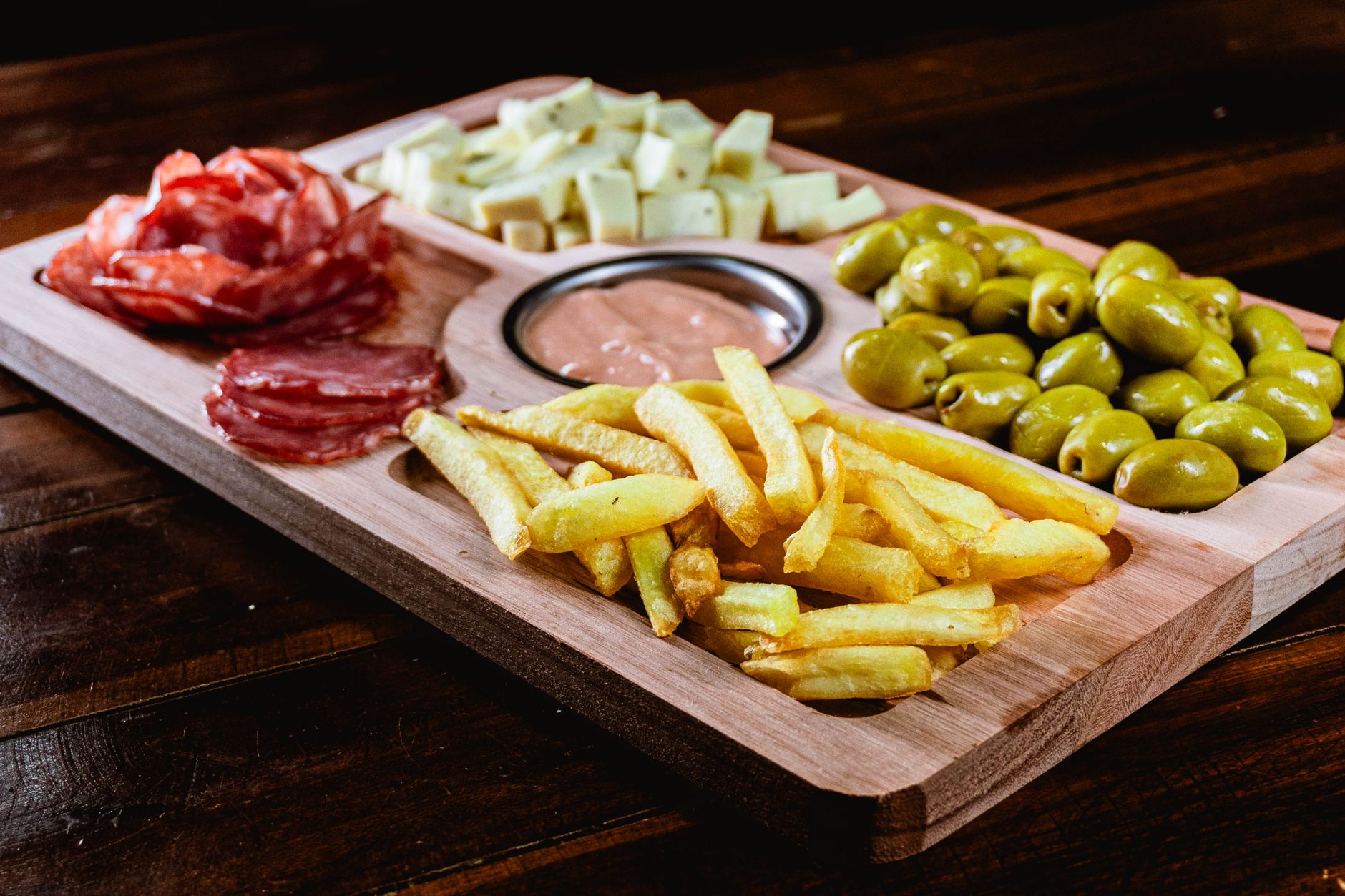
Reporting from The Independent highlights how the trend captured the cultural zeitgeist by normalizing low-effort meals that forgo traditional cooking. Instead of structured recipes featuring a distinct protein, starch, and vegetable, these meals often consist of olives, sliced fruit, charcuterie, pickles, and crackers artfully arranged on a single plate. For many consumers, the appeal lies in the total absence of meal preparation and minimal cleanup, offering a convenient alternative after a long workday.
The popularity of these unstructured meals reflects a wider shift in how adult consumers approach dinner, particularly among younger demographics who live alone. Traditional three-course meals or labor-intensive recipes are increasingly viewed as impractical for single-serving dining. The trend validates the choice to graze on easily accessible items rather than spending time at a stove, rebranding what used to be considered desperate pantry raiding into an intentional aesthetic choice.
Market analysts note that this behavior aligns with a growing commercial preference for premium snacking products over raw cooking ingredients. Grocery retailers have seen increased interest in specialty cheeses, artisanal crackers, pre-cut produce, and canned seafood. As consumer schedules become more unpredictable, the boundary between formal meals and elevated snacking continues to blur, creating new opportunities for packaged food manufacturers and specialty food brands.
Despite the popularity of the trend, health professionals interviewed by The Independent have raised important questions regarding dietary adequacy and portion control. While an assortment of whole foods like nuts, fruits, and cheeses can constitute a balanced meal, many featured online plates fall short of essential daily nutrients. Nutritionists warn that relying heavily on processed snacks or sodium-rich cured meats can lead to imbalances if these meals become a permanent replacement for balanced dining.
A major point of contention among dietitians is the wide variability in caloric intake associated with these Grazing plates. Some social media posts depict meals that are far too low in energy, potentially promoting restrictive eating behaviors under the guise of a trendy habit. Conversely, uncritically grazing on high-density foods like cheese, nuts, and processed dips without clear portion boundaries can easily lead to overconsumption of saturated fats and sodium.
Beyond physical health, food psychologists are evaluating the mental impact of abandoning formal meal expectations. For many participants, the primary benefit of the trend is emotional, providing a sense of relief from the cognitive burden of meal planning. Removing the pressure to execute a perfect home-cooked meal allows individuals to cultivate a more relaxed relationship with food, reducing guilt surrounding non-traditional eating habits.
However, experts caution that total reliance on unstructured grazing can erode mindful eating habits. Sitting down to a structured meal often encourages slower eating and better recognition of satiety cues. When dinner is reduced to continuous picking at finger foods while scrolling through media devices, individuals may lose connection with their body natural hunger signals, potentially disrupting digestion and metabolic health over time.
The ongoing debate underscores a fundamental shift in how modern society defines a proper supper. Historically, dinner served as a communal anchor point, heavily structured around cultural norms and family dynamics. As single-person households rise and remote work alters daily routines, individual convenience has overtaken traditional structure as the primary driver of evening food choices.
Food industry strategists believe that the underlying mechanics of this trend are here to stay, regardless of whether the specific social media terminology fades. Consumers are increasingly seeking personalized, highly flexible food solutions that require zero culinary skill. Consequently, restaurants and food service providers are beginning to adapt by introducing customizable small-plate menus and retail-ready grazing kits targeted at time-strapped shoppers.
For the average consumer, incorporating casual snack plates into a weekly routine is generally fine, provided the components are chosen thoughtfully. To ensure a grazing meal delivers adequate nutrition, experts recommend deliberate planning rather than random gathering. Including a clear source of lean protein, high-fiber complex carbohydrates, and plenty of fresh vegetables can transform a casual collection of snacks into a nutritionally complete dinner.
Ultimately, flexibility is the key to maintaining a healthy relationship with food in a fast-paced environment. Enjoying a low-effort plate of pantry staples on busy nights can save time and reduce stress, but it should remain a balanced option rather than an excuse to skip essential nutrients. By focusing on ingredient quality and nutritional diversity, consumers can enjoy the convenience of modern snacking without sacrificing their long-term health goals.
Sources and methodology
Reported from the public datasets below.
More from the Foodie Pundit Newsroom
- Silent Shutdowns Rise As Independent Sandwich Shops Face Economic Pressure
- Beyond Meat Expands Retail Footprint with Nationwide Launch of New Product Lineup
- Why Longtime Neighborhood Sandwich Shops Are Disappearing Without a Farewell
- Vice City Pizza Poised to Bring Its Take on Simple Pies to Miami
- GLP-1 Appetite Suppression Reshapes Restaurant Menus and Food Industry Economics