TikTok Girl Dinner Trend Drives Commercial Demand For Specialty Snacking Components
Younger consumers are swapping traditional cooked dinners for curated snack boards, forcing grocery retailers and restaurant operators to rethink menu strategie
By Foodie Pundit Newsroom - Published - Updated - Section: Desserts Snacks
Key points
- Social media trends are driving a major shift from hot cooked dinners to low-prep, assembled grazing boards among younger demographics.
- Grocery stores are capturing higher margins by merchandising specialty cheeses, dips, and cured meats as complete meal solutions.
- Restaurants are capitalizing on the trend by expanding small-plate offerings and customizable charcuterie options to lower kitchen labor costs.
- Smart shopping strategies can help consumers enjoy convenient snack dinners without overspending on pre-packaged specialty items.
Social media platforms have birthed countless dining crazes, but few have reshaped night time eating habits as rapidly as the girl dinner phenomenon. First popularized on TikTok, the trend revolves around assembling a plate of no-cook ingredients, small bites, and eclectic kitchen scraps instead of preparing a traditional hot meal. What began as a lighthearted video sharing routine has evolved into a major consumer behavior shift that food manufacturers and hospitality operators are watching closely.
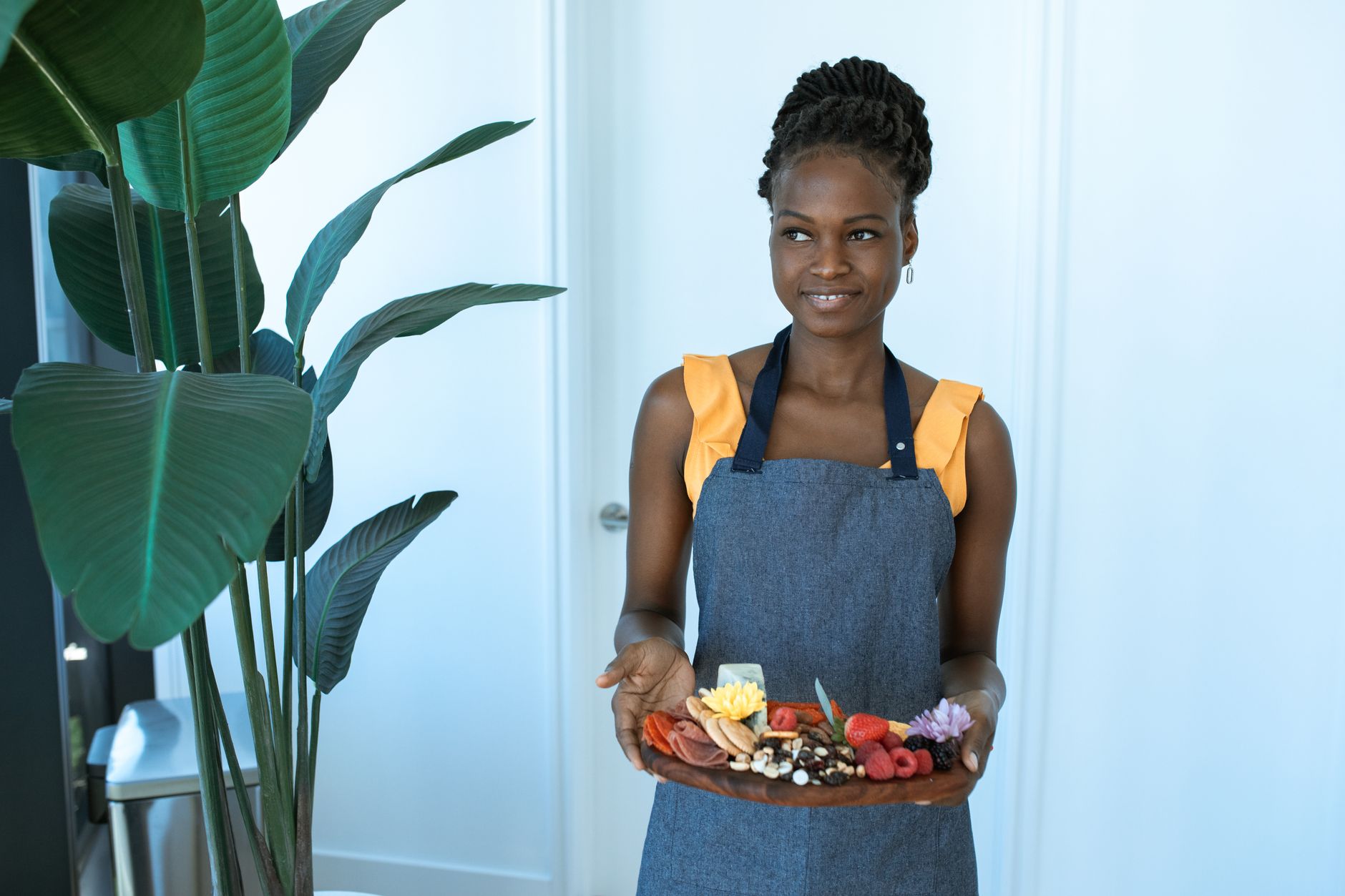
Initial reporting by TODAY.com highlighted how younger demographics, particularly Generation Z and Millennials, are embracing these minimalist food combinations. Rather than following strict recipes, consumers are arranging items like sliced cheeses, cured meats, pickles, fresh berries, hard-boiled eggs, and crackers on single platters. The visual appeal of these balanced yet chaotic spreads has fueled millions of social media views, turning mundane snacking into a deliberate dining lifestyle choice.
The popularity of assembled light meals reflects broader changes in work schedules and domestic habits. After long hours at offices or remote workstations, many consumers experience decision fatigue and a desire to avoid kitchen cleanup. The traditional structure of a protein, a starch, and a vegetable served together on a hot dinner plate feels increasingly burdensome for single households and busy young adults.
Food industry analysts note that this shift represents a departure from structured family dining toward individualized eating patterns. When individuals curate their own snack boards, they retain total control over portion sizes, flavor profiles, and dietary restrictions. The trend validates the idea that an evening meal does not need to be complex or expensive to be emotionally satisfying and visually appealing.
ECONOMIC IMPLICATIONS FOR GROCERY RETAILERS
Grocery stores are experiencing a tangible shift in consumer purchasing habits driven by the demand for snackable components. Sales of pre-sliced specialty cheeses, artisanal crackers, single-serve dips, and packaged charcuterie have grown steadily as shoppers stock up on low-prep items. Supermarket merchandisers are responding by creating dedicated displays that group these complementary products together in high-traffic endcaps.
This purchasing behavior offers higher profit margins for food retailers compared to raw, unprocessed ingredients. Pre-packaged, portion-controlled items often carry a premium price tag per unit weight, which consumers are willing to pay for convenience and variety. Grocery brands are now actively packaging product lines designed specifically to fit into these assembled platter routines, marketing them as effortless meal solutions.
RESTAURANT OPERATORS ADAPT TO THE SNACKING CRAZE
The restaurant industry is taking cues from social media snacking habits to capture diner interest and maintain foot traffic. Casual dining establishments and wine bars are expanding their app-driven menus to include build-your-own board options and expanded small-plate offerings. Operators recognize that younger guests often prefer grazing on shared appetizers and artisanal sides over ordering large, heavy main entrees.
By leaning into customizable grazing boards, restaurants can manage kitchen labor costs more effectively. Many charcuterie and snack platters require minimal cooking skills and zero cook time, allowing back-of-house staff to assemble orders quickly during peak service hours. Furthermore, these visually striking platters encourage organic social media marketing, as patrons frequently photograph and share their aesthetically pleasing spreads online before eating.
NUTRITIONAL CONSIDERATIONS AND INDUSTRY REACTION
While the trend emphasizes convenience and personal joy, dietitians have weighed in on the nutritional balance of these improvised meals. Health experts suggest that while snack boards can easily incorporate fiber, healthy fats, and lean proteins, they can also lean heavily on processed sodium and saturated fats if built exclusively around cured meats and refined crackers. Nutritionists advise consumers to intentionally include colorful vegetables, fresh fruits, and whole grains to ensure a well-rounded nutrient intake.
Food brands have responded by introducing healthier, clean-label alternatives aimed directly at convenience-minded shoppers. Organic hummus cups, seed-based crackers, and low-sodium turkey bites are being positioned as smart additions to evening grazing spreads. The packaged food sector is rapidly innovating to ensure that effortless dining does not come at the expense of dietary wellness.
For the average consumer, the popularity of low-prep assembled meals provides permission to drop the pressure of daily cooking without sacrificing enjoyment or flavor. Embracing snack-style dining can reduce household food waste, as it allows you to utilize small portions of leftover produce, cheeses, and pantry staples that might otherwise be discarded. It also saves significant time on meal preparation and dishwashing during busy weekdays.
From a budgeting standpoint, building evening meals around specialty packaged snacks can become expensive if rely entirely on pre-cut deli items. To maintain a reasonable grocery bill, consider buying whole cheeses, blocks of cured meats, and bulk nuts to slice and portion at home. Pairing a few premium elements with affordable staples like raw carrots, sliced apples, and house-made dips allows you to enjoy the convenience and aesthetic appeal of custom grazing platters while keeping your weekly food budget firmly intact.
Sources and methodology
Reported from the public datasets below.
More from the Foodie Pundit Newsroom
- Carl's Jr. Eyes Murrieta for New Location
- UK Grocery Inflation Surpasses Continental Europe as Food Costs Soar
- Fast Food Chains Prep Major Value Menu Overhauls to Win Back Budget Diners
- Snack Board Economics Drive Major Shifts in Retail and Restaurant Dining
- How Changing Consumer Demands Are Reshaping Restaurant Economics