What Does That "Born and Raised in the USA" Label on Your Beef Actually Mean?
A new USDA rule for "Born and Raised in the USA" beef labeling is here. We explore what this means for ranchers, meatpackers, trade, and your grocery bill.
By Foodie Pundit Newsroom - Published - Updated - Section: Policy Regulation
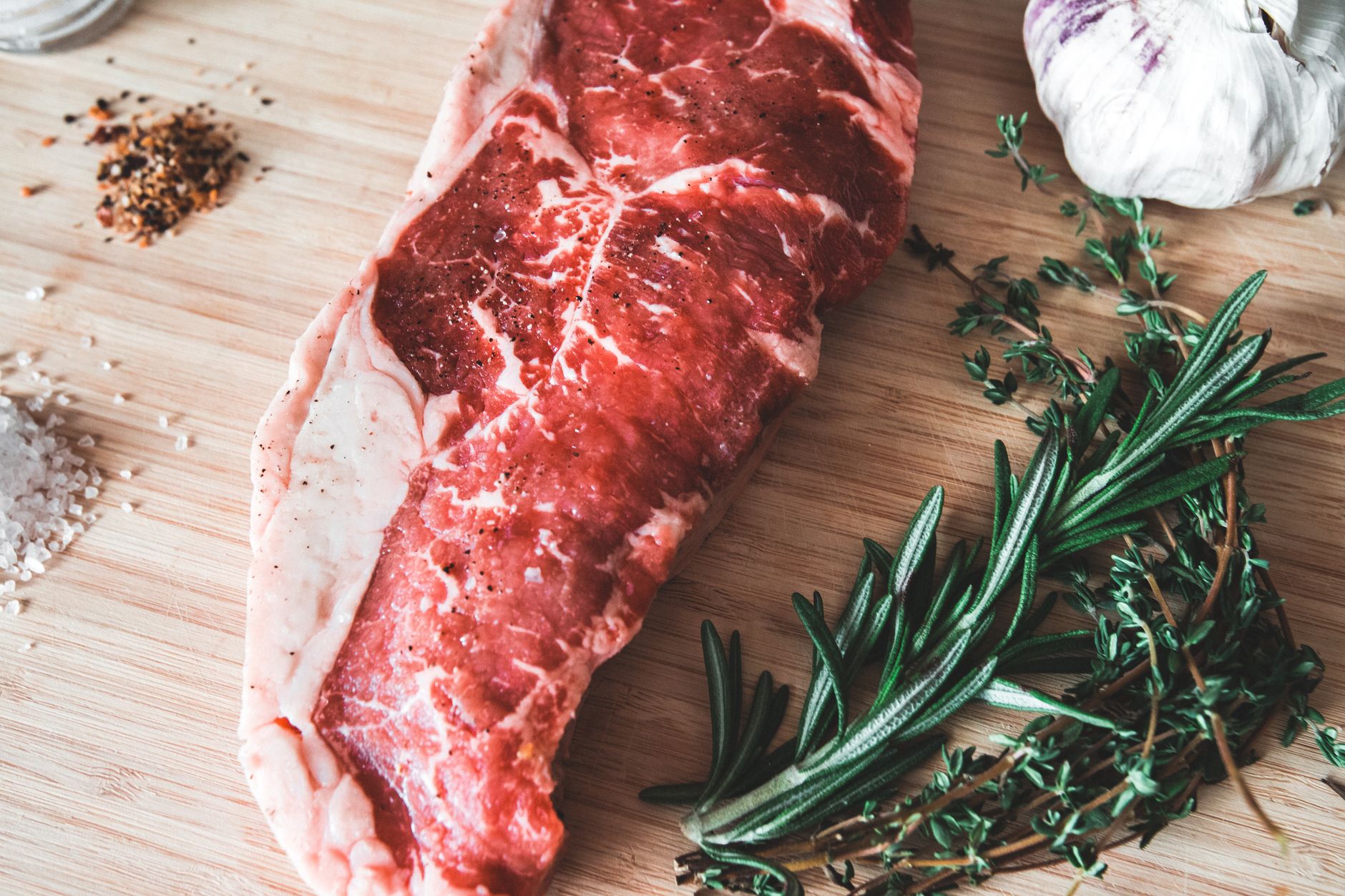
Key points
- The new 'Born and Raised in the USA' label is voluntary but requires USDA verification that the animal was born, raised, and slaughtered stateside.
- American cattle ranchers support the rule, believing it will allow them to compete fairly against cheaper, imported beef that was previously labeled
- Major meat processors and trade groups from Canada and Mexico oppose the rule, warning it will disrupt the integrated North American supply chain, increase consumer prices, and potentially lead to international trade disputes.
- The voluntary nature of the label creates a new dynamic for consumers and retailers, who must now navigate a marketplace with explicitly labeled domestic beef, unlabeled beef of unknown origin, and store brands, each with different price and supply implications.
This report is part of Foodie Pundit premium coverage. Foodie Pundit members read the full story. See membership.
More from the Foodie Pundit Newsroom
- Food Industry Pivot Accelerates as GLP-1 Medications Reshape Consumer Eating Habits
- Is Mayfair Getting Another Mei Fair Moment?
- FDA Issues Urgent Warning Over Tainted Weight Loss and Enhancement Pills
- GLP-1 Adoption Drives Massive Food Industry Pivot Toward High Protein Products
- How GLP-1 Weight Loss Drugs Are Forcing Restaurants to Re-Engineer Menus Around Protein