Viral Grazing Plate Trend Offers Real Gut Health Benefits Dietitians Say
Nutritionists suggest that viral snack-style dining trends can boost gut health when built with diverse, fiber-rich components.
By Foodie Pundit Newsroom - Published - Updated - Section: Desserts Snacks
Key points
- Grazing plates can improve gut microbiome health by introducing a wider variety of plant-based fibers and polyphenols in a single meal.
- Lowering the psychological stress of dinner prep promotes parasympathetic digestion and reduces reliance on heavy takeout food.
- Dietitians recommend balancing salty charcuterie with fresh produce, unsalted nuts, and fermented foods like pickles or kimchi.
- Food manufacturers and retailers are shifting product development toward high-end, mix-and-match snack components to capture market demand.
The internet phenomenon known as girl dinner has evolved from a simple social media trend into a serious topic of discussion among nutritionists and consumer behavior analysts. Originally popularized on TikTok, the concept involves assembling an assortment of small snacks, leftovers, cheeses, fruits, and cured meats into a low-effort evening meal. What began as a relatable nod to lazy evening dining is now receiving unexpected praise from registered dietitians for its potential health benefits, particularly regarding gut health and dietary variety.
Reporting from Today highlights how health professionals are taking a closer look at the nutritional profile of these improvised grazing boards. Rather than dismissing the trend as unbalanced or chaotic, experts note that the typical components of these meals often align with fundamental principles of good nutrition. By combining small portions of diverse foods, consumers may be inadvertently optimizing their digestive health while reducing the psychological friction often associated with home cooking.
At the core of the nutritional argument for this dining style is the concept of dietary diversity. A standard cooking routine often revolves around one primary protein paired with a single carbohydrate and a side vegetable. In contrast, a grazing plate typically features five to ten distinct components, such as olives, nuts, sliced apples, pickled vegetables, hummus, and hard-boiled eggs.
Nutritional science consistently demonstrates that consuming a wide variety of plant-based foods supports a healthy gut microbiome. Each distinct plant food contains unique fibers and polyphenols that feed different species of beneficial bacteria in the digestive system. When a simple evening meal incorporates seeds, fermented foods, fresh fruit, and raw vegetables, it creates a rich environment for gut flora to thrive.
Furthermore, the smaller portion sizes inherent to snack-style eating can alter how the body processes nutrients. Eating smaller, varied bites encourages slower consumption and more thorough chewing, which aids early digestive processes. Digestive enzymes in saliva have more time to break down compounds before food reaches the stomach, potentially reducing post-meal bloating and sluggishness.
Beyond physical digestive benefits, food industry analysts note that the trend addresses a growing consumer fatigue around traditional meal preparation. The mental energy required to plan, purchase, and execute complex recipes often leads tired workers to choose ultra-processed delivery options. A grazing board lowers the barrier to eating at home by eliminating cooking entirely while utilizing items already present in the refrigerator.
This reduction in mealtime stress plays a direct role in digestive efficiency. The human body processes food far more effectively when operating in a parasympathetic nervous system state, commonly referred to as rest and digest. When individuals feel overwhelmed by meal prep or guilty about ordering expensive takeout, elevated cortisol levels can impede proper gut motility and enzyme secretion.
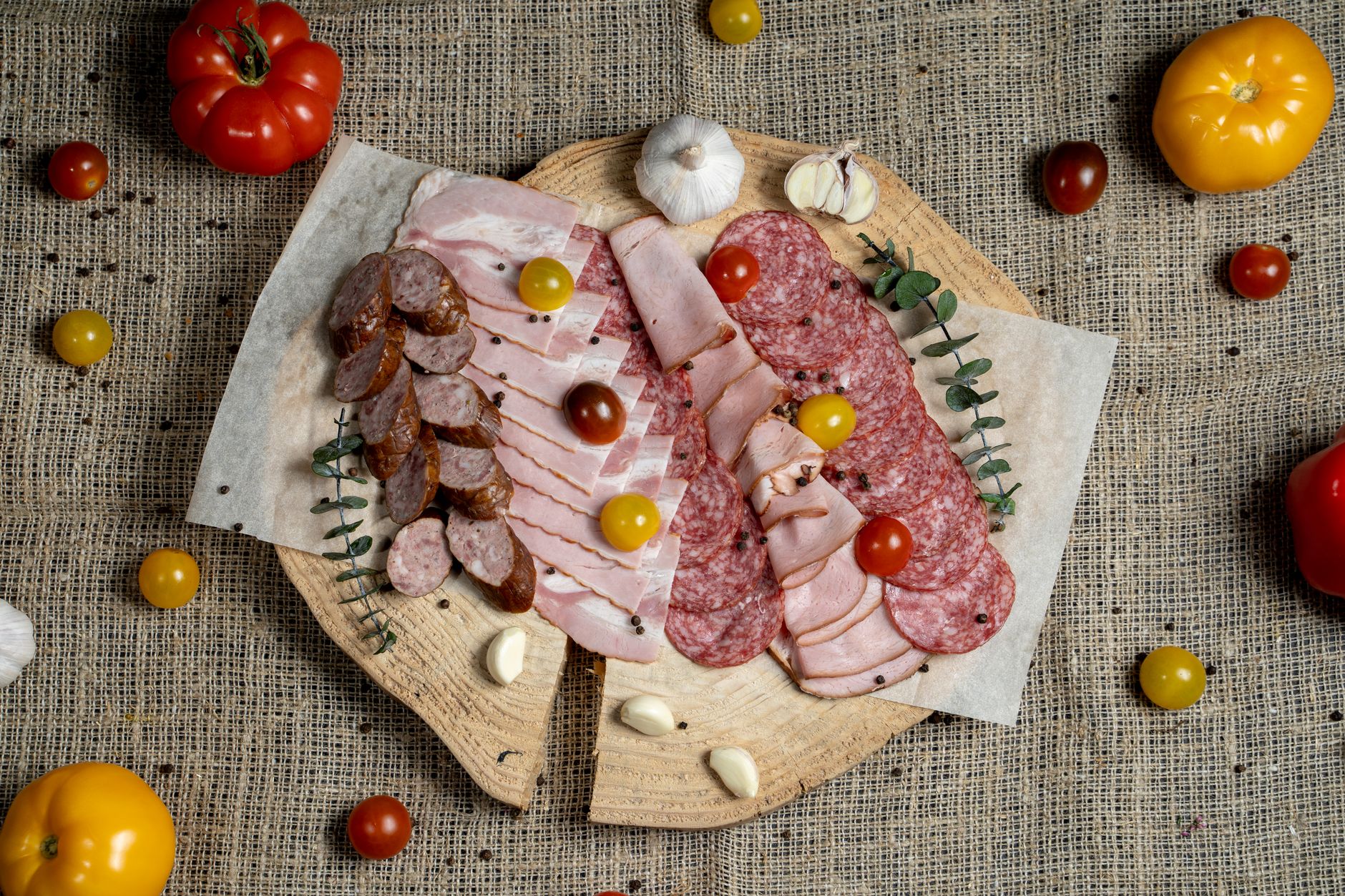
Dietitians interviewed in recent coverage emphasize that the key to a successful grazing meal lies in mindful composition. While a plate consisting solely of processed crackers and salty processed meats offers limited health value, introducing fiber-rich elements transforms the dish into a nutritionally dense meal. Adding fermented options like kimchi, sauerkraut, or cultured cheeses further enhances the probiotic impact on the gut.
The rising popularity of assembled light meals is actively reshaping grocery retail and packaged food manufacturing. Consumer packaged goods companies are increasing their production of single-serve snack packs, artisanal spreads, pre-sliced charcuterie, and specialty produce. Grocery chains are adjusting store layouts to group complementary grazing items together, recognizing that shoppers increasingly seek quick, mix-and-match solutions for evening dining.
This shift presents a strategic opportunity for specialty food brands, particularly those focused on fermented, organic, or gut-friendly products. Small-batch pickle makers, premium nut purveyors, and boutique hummus brands are experiencing elevated demand as home assemblers seek higher quality components. The trend bridges the gap between premium specialty foods and everyday convenience, allowing consumers to feel like they are indulging in a restaurant-quality board at home.
Restaurateurs are also taking notes on this shifting consumer preference. Some casual dining establishments and wine bars are expanding their small-plate offerings and customizable charcuterie options to capture the dining-out demographic that prefers variety over massive single entrees. The emphasis is moving away from heavy, singular main courses toward curated, shareable collections of bright, distinct flavors.
Despite the glowing feedback from dietitians, health experts caution that these plates require a baseline level of balance to remain healthy. High sodium content is a frequent risk when relying heavily on cured meats, aged cheeses, and salted crackers. Consumers are encouraged to offset high-sodium elements with fresh cucumbers, unsalted nuts, berries, and plenty of water.
Another common pitfall is an imbalance of macronutrients, specifically insufficient protein or excessive refined carbohydrates. A plate dominated by chips and dip may satisfy immediate cravings but can lead to rapid spikes and drops in blood sugar. To ensure sustained energy and satiety, nutritionists advise anchors such as Greek yogurt dips, edamame, smoked salmon, or canned sardines alongside crisp produce.
Embracing a flexible, grazing approach to dinner can simplify your evening routine while genuinely benefiting your digestive health, provided you keep balance in mind. You do not need to spend hours preparing a complex recipe to consume a nutritionally complete meal. By focusing on variety, you can create an effortless plate that nourishes your body and keeps mealtime stress to a minimum.
To build a gut-healthy grazing plate, aim for a balanced mix of fiber, protein, healthy fats, and fermented items. Fill half your plate with colorful raw vegetables, fresh fruit, and handfuls of nuts or seeds. Round out the remaining space with lean proteins, cultured cheeses, and a spoonful of probiotic-rich foods like pickles or kimchi to maximize nutrient diversity without touching the stove.
Sources and methodology
Reported from the public datasets below.
More from the Foodie Pundit Newsroom
- Jeremy Ford Expands South Florida Footprint With Premier Resort Partnership in Palm Beach
- Nostalgia Sells as McDonald's Brings Back the Grandma McFlurry
- How GLP-1 Weight Loss Drugs Are Rewriting Restaurant Economics
- Chick-fil-A Debuts Regional Test Menu Item Featuring Honey Pimento Cheese
- Chick-fil-A Weighs Nashville Hot Chicken Move as Spicy Menu Wars Heat Up