viral Japanese Milk Bread Trend Reshapes UK Commercial Baking Market
A traditional Asian baking technique is transforming commercial menus and domestic kitchens across the United Kingdom following a viral social media surge.
By Foodie Pundit Newsroom - Published - Updated - Section: Social Virality
Key points
- Japanese milk bread relies on a pre-cooked flour starter technique that retains moisture and creates an unusually soft crumb.
- Social media video platforms are driving high retail demand for shokupan across UK artisan bakeries and cafes.
- Commercial operators are leveraging the bread high visual appeal to create premium, high-margin sandwich offerings.
- Home bakers are driving retail demand for specialized Pullman loaf pans and high-protein flour.
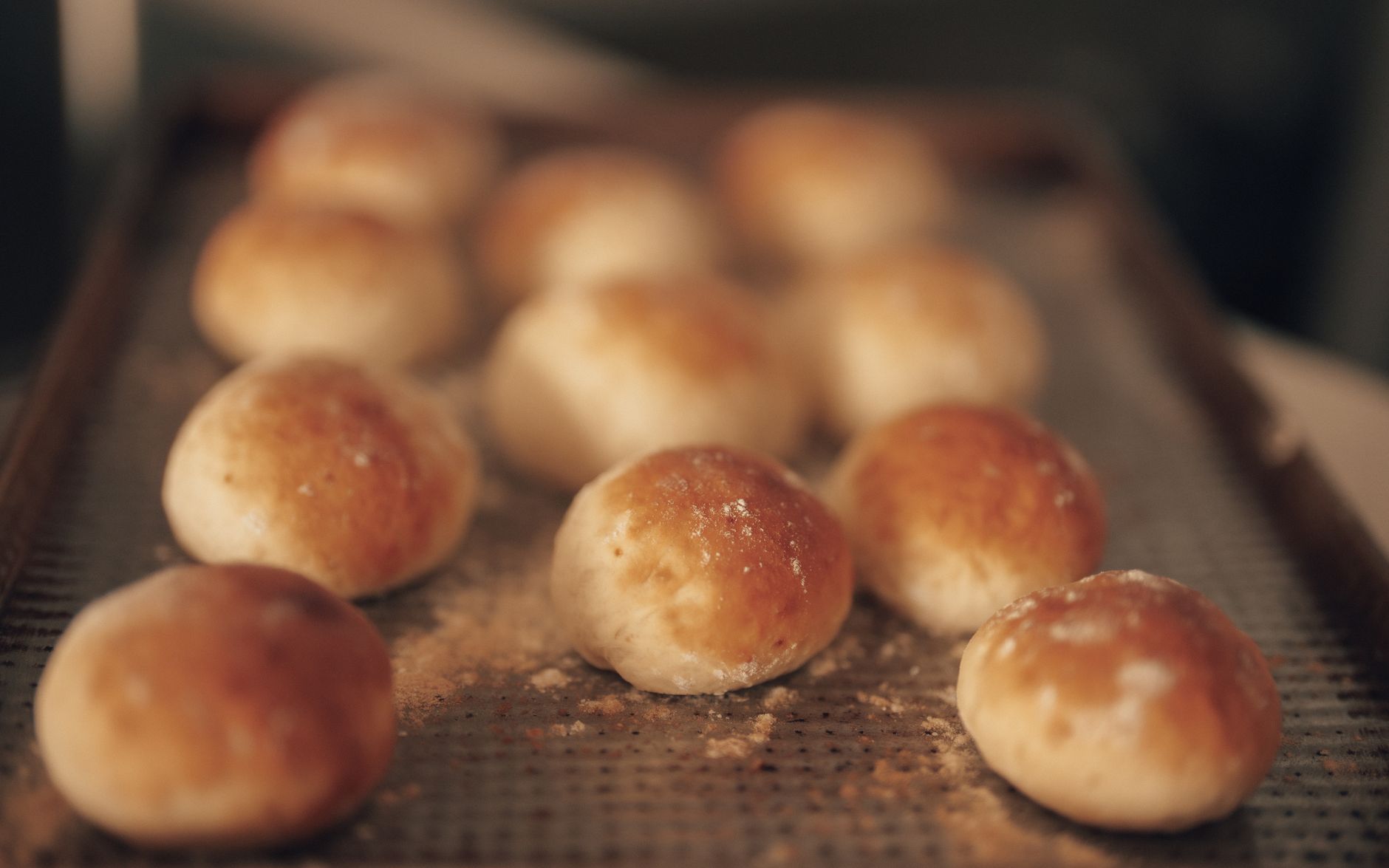
A distinctively soft and pillowy loaf from Japan is capturing the attention of the British culinary market, driven by a surge of interest across digital video platforms. Known as shokupan, or Japanese milk bread, the golden product features a light texture and subtle sweetness that set it apart from traditional European baking styles. What began as a niche offering in specialty Asian bakeries is now expanding rapidly into mainstream British cafes, independent artisan shops, and home kitchens.
Reporting from The Guardian indicates that social media exposure has transformed this traditional Asian staple into one of the most visible food trends in the United Kingdom. Short videos displaying the bread being pulled apart into delicate, cloud-like strands have accumulated millions of views, creating a powerful marketing pull. As a result, commercial bakeries across major cities report rising consumer demand for both whole loaves and specialized sandwiches made with the fluffy slices.
The primary characteristic that distinguishes Japanese milk bread from standard western sandwich loaves is its unique structural moisture and tender crumb. Traditional European bread making relies heavily on flour, water, yeast, and long fermentation periods to build a rustic crust and open texture. In contrast, milk bread incorporates higher ratios of dairy, sugar, and fat to create an exceptionally soft, fine texture that resists drying out over time.
Central to this baking process is a specialized pre-cook method known as tangzhong, a flour paste technique rooted in Asian baking tradition. Bakers cook a small portion of the flour and liquid into a gelatinized paste before adding it to the main dough mix. This step locks in additional moisture and allows the starches to hold onto water during the baking process, yielding a loaf that remains tender for several days without artificial preservatives.
The commercial appeal of Japanese milk bread extends far beyond internet novelty, providing fresh revenue opportunities for food business operators across Britain. Artisan bakeries in major metropolitan areas are pricing these premium loaves at higher price points than standard sourdough or white loaves, reflecting the labor-intensive production process and specialized technique required. Restaurants and cafes are also adopting the bread as a base for high-margin menu items, including traditional Japanese fruit sandwiches and deep-fried pork cutlet sandwiches.
The sudden popularity of the product highlights a broader shift in consumer purchasing habits, where visual appeal on mobile screens directly drives physical foot traffic to bakeries. Wholesale flour suppliers and commercial kitchen distributors report increased inquiries regarding high-protein bread flours suitable for milk bread formulations. Independent operators who previously focused strictly on traditional European baking styles are now retooling their daily production schedules to include dedicated shifts for shokupan production.
While demand continues to climb, commercial scaling of milk bread presents several technical challenges for small and mid-sized commercial bakeries. The inclusion of dairy products and higher fat content requires precise temperature control during mixing and proving to prevent the dough from becoming overly dense or sticky. Kitchens must also allocate additional labor to manage the pre-dough cooking phase, which adds operational complexity compared to standard direct-dough baking methods.
Furthermore, ingredient costs for high-grade milk powder, butter, and specialized unbleached high-gluten flour can squeeze profit margins if products are not priced correctly. Despite these manufacturing constraints, operators are finding that the strong consumer willingness to pay a premium for viral food items offsets the higher cost of goods sold. Supply chains are gradually adapting, with regional food service vendors beginning to offer pre-made milk bread loaves and pre-packaged tangzhong bases to commercial clients.
Beyond commercial retail, the trend is triggering a parallel wave of home baking interest among modern consumers seeking to replicate bakery-quality results at home. Internet tutorials detailing the step-by-step creation of the starter paste and knead techniques have lower barriers to entry for amateur bakers compared to complex sourdough maintenance. Specialty cookware retailers report increased sales of traditional Pullman loaf pans, which feature sliding lids designed to produce perfectly square, crustless slices suited for precise sandwich preparation.
This domestic interest is reinforcing the commercial market rather than competing with it, as consumers gain a deeper appreciation for the technical skill required to master the recipe. Public enthusiasm for international baking techniques reflects a broader trend wherein global food traditions gain rapid market saturation through digital content sharing. The growth of milk bread shows no signs of slowing as wider retail networks begin developing packaged retail versions for supermarket shelves.
For everyday consumers and home cooks, the rise of Japanese milk bread brings a versatile and luxurious option to local bakery shelves and home kitchens. You can expect to see more specialty sandwiches and dessert toasts featuring this soft loaf at neighborhood cafes, offering a tender alternative to chewy sourdoughs. If you enjoy home baking, mastering the simple starter paste technique allows you to produce high-quality, long-lasting loaves using standard pantry ingredients without needing commercial equipment.
Sources and methodology
Reported from the public datasets below.
More from the Foodie Pundit Newsroom
- Viral Dessert Trends Reshape Home Baking Practices and Food Industry Strategy
- Butter Boards Take Social Media by Storm as the New Charcuterie Alternative
- Japanese Milk Bread Captivated British Consumers Through Tech and Craft
- Michelin Starred Chef Prepares Major Expansion into Central Edinburgh
- UK Supermarkets Face Steepest Food Inflation Surge in Europe