Why Fermented Foods Are Becoming Mainstream Menu Powerhouses
How ancient preservation techniques are helping modern restaurant kitchens boost margins, reduce waste, and cater to gut-health conscious diners.
By Foodie Pundit Newsroom - Published - Updated - Section: Restaurants
Key points
- Fermentation allows operators to transform low-cost surplus produce into high-margin menu additions.
- Consumer interest in gut health and complex umami flavors is driving mainstream adoption across dining sectors.
- Non-commercial dining halls and beverage programs are leveraging ferments to attract younger, health-conscious consumers.
Restaurant kitchens across the nation are quietly leaning into ancient biological processes to modernize their menus. A rising wave of operators is adding fermented ingredients to everything from breakfast bowls to late night cocktails, according to industry menu data highlighted by FoodService Director. Driven by a mix of consumer interest in functional health, complex flavor profiling, and low waste kitchen strategies, fermentation has moved out of niche artisanal eateries and into mainstream foodservice operations.
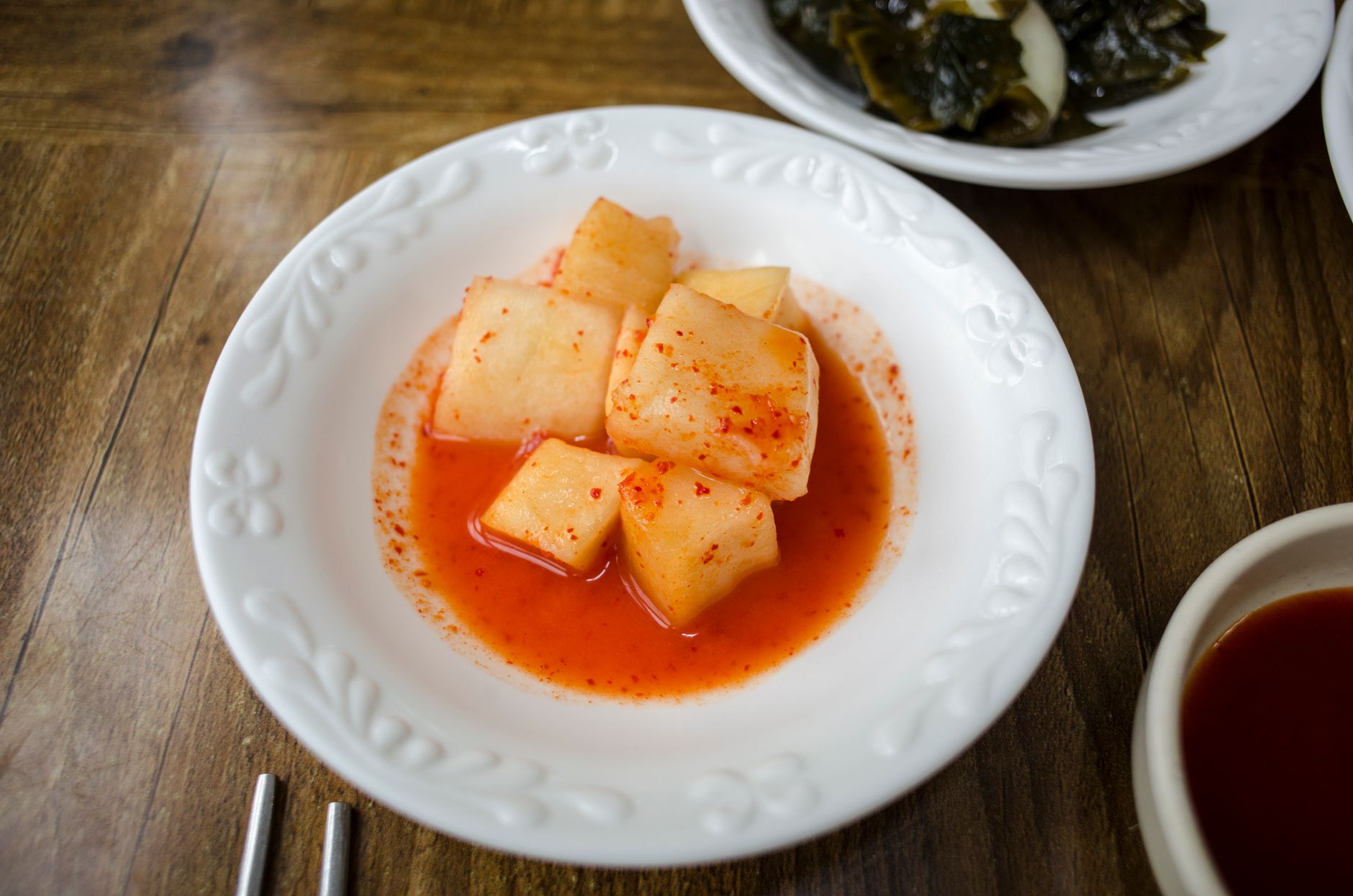
This shift is not merely a passing culinary fad, but a structural response to changing consumer values around diet and wellness. Dinners are increasingly seeking foods that support microbiome health, digestive comfort, and immune function. In response, chefs are utilizing kimchi, kombucha, kefir, miso, and house made pickles as functional ingredients that instantly upgrade standard dishes while delivering a sophisticated, tangy punch that synthetic seasonings cannot replicate.
From a purely economic standpoint, fermentation offers restaurant operators a unique hedge against rising food costs. The process relies on time, salt, and controlled environmental conditions to transform inexpensive bulk produce or surplus trim into high value, shelf stable condiments. Cauliflower stems, cabbage outer leaves, and herb stalks that might otherwise head to the compost bin can easily be converted into house ferments that command premium prices as menu add-ons.
Moreover, the extended shelf life of fermented goods significantly reduces raw kitchen waste, which remains one of the largest margin drains in the hospitality industry. By stabilizing seasonal produce at its peak freshness through lacto-fermentation, kitchens can stretch their inventory across multiple menu cycles. This operational benefit allows independent restaurants and large campus dining providers alike to maintain consistent flavor profiles regardless of supply chain disruptions or seasonal price spikes.
The modern consumer appetite is increasingly drawn to deep, complex flavor profiles known as umami and acidity, both of which are natural byproducts of the fermentation process. Simple sugars are broken down by beneficial microbes into organic acids and glutamates, creating dynamic flavor notes that elevate simple proteins and grain dishes. Diners who have embraced international cuisines, particularly Korean, Japanese, and Eastern European culinary traditions, have grown accustomed to these distinctive flavor notes in everyday dining settings.
Simultaneously, the wellness sector has educated the public on the importance of gut health and live active cultures. While pasteurization in commercial production can sometimes reduce live probiotic counts, the presence of fermented items on a menu still signals freshness, traditional craft, and nutritional mindfulness to health conscious guests. This halo effect allows operators to position fermented offerings as premium health upgrades without fundamentally changing their underlying base recipes.
The practical application of fermentation is expanding rapidly beyond full service dining into non-commercial sectors such as college dining halls, corporate cafeterias, and healthcare food services. Campus dining directors report that younger demographics are particularly enthusiastic about customizable grain bowls featuring house kimchi, pickled red onions, and probiotic dairy dressings. These options allow students and workers to tailor their meals to specific dietary preferences while enjoying bold, modern flavor profiles.
In the beverage category, fermented liquids are carving out substantial market share within the non-alcoholic cocktail movement. Kombucha on tap, fermented fruit shrubs, and kefir based smoothies offer satisfying, complex alternatives to overly sweet sodas or traditional mocktails. Beverage directors view these items as high margin additions that cater to sober-curious consumers who want a sophisticated drinking experience without the alcohol content.
Despite the clear benefits, integrating live fermented foods into standard kitchen workflows requires careful management, staff education, and strict adherence to food safety protocols. Uncontrolled fermentation can lead to spoilage, off flavors, or foodborne illness if sanitation standards and pH levels are not strictly monitored. Operators must establish standard operating procedures for temperature control, salinity levels, and storage times to ensure product safety across shift changes.
Furthermore, kitchen management must train line cooks on the proper handling and storage of active ferments to prevent cross contamination and unwanted flavor drift. While traditional house fermentation requires specialized labor and patience, many operators are bridging the gap by sourcing high quality, commercially prepared ferments from specialty suppliers. This hybrid approach allows high volume operations to capture the trend while minimizing labor costs and regulatory complexity.
For the everyday consumer, the widespread adoption of fermented foods means easier access to gut friendly, flavor packed dining options across all price points. Whether grabbing lunch at a fast casual chain or dining at a university hall, you can expect to see more dynamic, tangy, and nutrient dense choices integrated into everyday meals.
For restaurant operators and food professionals, embracing fermentation is a proven strategy to boost profit margins, minimize food waste, and satisfy evolving guest preferences for functional wellness. By mastering basic preservation techniques or partnering with reliable vendors, venues can modernize their brand image while staying ahead of shifting demographic tastes.
Sources and methodology
Reported from the public datasets below.
More from the Foodie Pundit Newsroom
- Cookout Eyes Jacksonville for New Location on Beach Boulevard
- 1912 Ocean Bar and Rooftop to Open in Ponte Vedra Beach
- Dirdie Birdie to Open Second Location in Fort Worth
- Persistent Grocery Inflation Keeps Household Budgets Under Pressure
- Digital Farming Tech Reshapes Supply Chains as Automation Takes Over the Field