You Are Not Imagining It: The Watermelons Are Getting Smaller
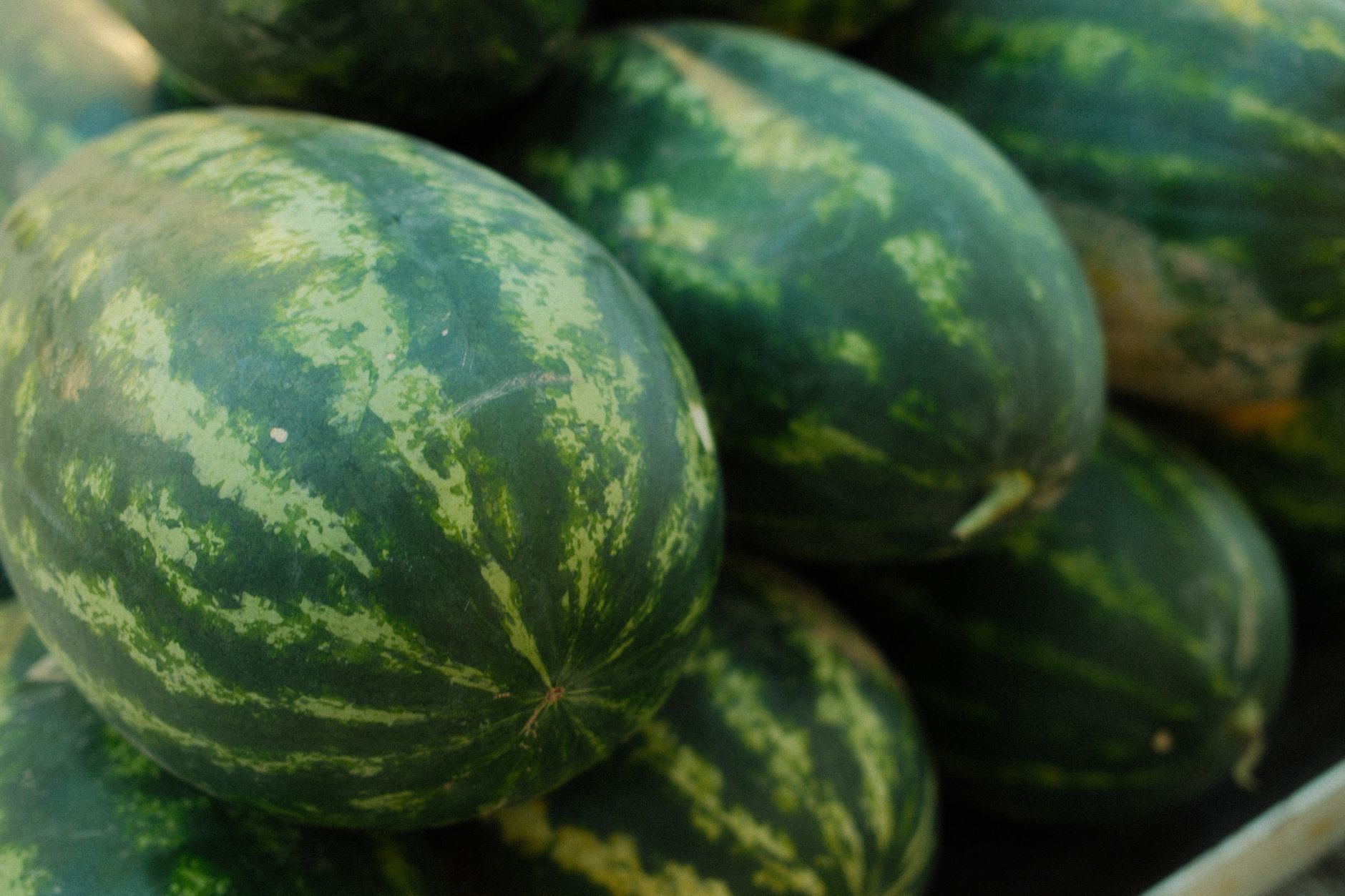
You are not imagining it; watermelons are getting smaller. Discover the decades-long agricultural shift towards "personal" melons and its impact on size and fla
By Foodie Pundit Newsroom - Published - Updated - Section: Agriculture Supply
Key points
- The average size of watermelons has decreased significantly due to decades of intentional breeding for "personal" or "icebox" varieties (5-10 lbs) to suit smaller households and retail logistics.
- The focus on breeding for size, a durable rind, and seedlessness has inadvertently de-emphasized the complex flavor compounds found in older, heirloom watermelon varieties.
- A large portion of the U.S. watermelon crop is now grafted onto disease-resistant squash rootstock to combat soil-borne pathogens like Fusarium wilt, a practice that can alter the fruit's texture.
- The shift to smaller melons allows for "per unit" pricing instead of "per pound," which encourages impulse buys and increases sales velocity for retailers.
- Large, traditional watermelons have not disappeared but are now a niche product primarily found at farmers markets and specialty growers who cater to consumers seeking nostalgia and flavor over convenience.
This report is part of Foodie Pundit premium coverage. Foodie Pundit members read the full story. See membership.
Sources and methodology
Reported from the public datasets below.
More from the Foodie Pundit Newsroom
- Hemp Drink Brands Win Massive Court Victory Against Ohio Regulatory Crackdown
- The Floating Feast Has A Hidden Cost
- Huey Magoo's Eyes November 2026 Opening in Hialeah Gardens
- Mysterious Roadside Restaurant Project Surfaces in Daytona
- Global Culinary Ratings Expand Footprint Across Emerging Asian Dining Destinations