Snapper permits scrapped, lawsuit dead
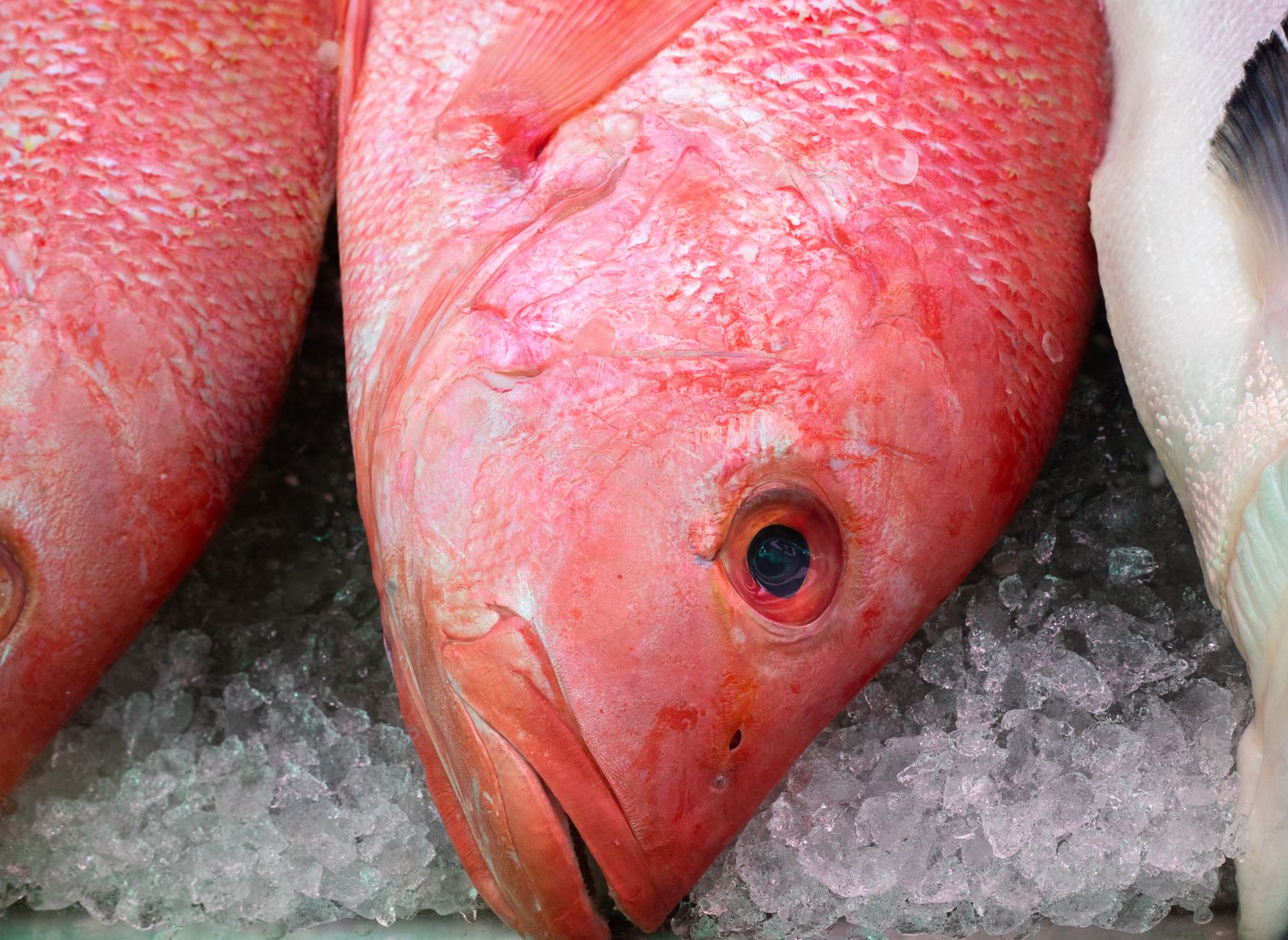
Your pricey red snapper just got tangled in a huge regulatory fight, as feds scrapped controversial permits, making a big lawsuit disappear.
By Foodie Pundit Newsroom - Published - Updated - Section: Policy Regulation
Key points
- The U.S. Department of Commerce has officially canceled expanded recreational red snapper permits for four Gulf states, leading to the dismissal of a high-stakes federal lawsuit.
- The core of the dispute centered on 'data integrity,' with critics arguing that state-level monitoring was far too lax compared to federal sustainability standards.
- For independent restaurants, this regulatory shift likely means higher wholesale costs and more supply chain volatility as the government tightens the belt on snapper quotas to prevent overfishing.
If you have ever scrolled through a high-end seafood menu and wondered why the red snapper is priced like a designer handbag, you are looking at the end result of a massive, ongoing legal tug-of-war. For years, the federal government and various state agencies have been locked in a battle over who gets to catch these fish, how many they can take, and what happens when the math does not add up.
The latest update from the U.S. District Court for the District of Columbia is essentially a "case closed" moment, but not because a judge made a final ruling on the merits. Instead, the federal government has declared a major lawsuit "dead in the water." The U.S. Department of Commerce told a federal judge that because the controversial fishing permits at the heart of the case have been canceled, there is nothing left to fight about. In legal terms, the case is "moot."
This is not just a bunch of bureaucrats arguing over paperwork. This is about the supply chain of one of the most popular fish in American dining. Red snapper is a staple of Gulf Coast cuisine and a high-margin item for independent restaurants across the country. When the rules for catching these fish are in flux, the prices at your local bistro fluctuate wildly, and the sustainability of the species - which ensures we can keep eating it for the next fifty years - hangs in the balance. Who Is On The Hook
In this specific legal drama, the defendants are the heavy hitters of federal regulation. We are talking about the National Marine Fisheries Service (NMFS), the U.S. Department of Commerce, and the U.S. Department of Justice. These are the entities responsible for managing the nation's marine resources and ensuring that overfishing does not wipe out entire species.
On the other side, the lawsuit originally challenged the way these federal agencies were handing out power to the states. While the specific plaintiffs in this round of litigation often include environmental groups and commercial fishing interests, the target was the expanded recreational red snapper fishing permits that the NMFS had issued to four specific states.
For the average foodie or restaurant owner, these agencies are the gatekeepers. They decide how much snapper makes it to the market (commercial) versus how much stays in the coolers of weekend hobbyists (recreational). When the federal government "nixes" permits, they are effectively hitting the reset button on a policy that many argued was allowing too many fish to be pulled out of the water without proper oversight. Snapper fight specifics
The core of the dispute was about "transparency" and "data integrity." The lawsuit challenged a move by the NMFS to allow states more control over their recreational fishing seasons. The agency had issued "Exempted Fishing Permits" to Alabama, Florida, Louisiana, and Mississippi. These permits essentially allowed these states to use their own data collection methods to track how many red snapper were being caught, rather than sticking to the more rigid federal monitoring systems.
The problem? Critics argued that the state data was far less accurate than the federal data. There were massive discrepancies between what the states claimed was being caught and what federal scientists believed was actually happening. The allegation was that these permits were allowing recreational anglers to blow past sustainable limits, which would eventually lead to a crash in the snapper population.
For the food industry, this was a massive red flag. If recreational fishing is allowed to go unchecked due to "loose" state permits, the federal government eventually has to compensate by slashing the "commercial" quota to save the species. That means fewer fish for restaurants, higher prices for chefs, and a "red snapper" that might actually be a cheaper substitute (like tilapia or rockfish) being passed off to unsuspecting diners.
The feds have now pulled these permits, leading them to argue that the lawsuit is irrelevant. They are basically saying, "We stopped doing the thing you're mad about, so let's go home." Financial Fallout
The financial stakes here are measured in the hundreds of millions of dollars annually, as reported by Law360 Food & Beverage. The red snapper fishery in the Gulf of Mexico is one of the most lucrative in the United States. According to various economic impact studies by NOAA, the commercial red snapper industry supports thousands of jobs and generates significant revenue for coastal communities.
When permits are "nixed" and lawsuits are dismissed as moot, it creates a vacuum of uncertainty. For a restaurant operator, uncertainty is the most expensive ingredient on the menu. If a chef cannot rely on a steady supply of snapper at a predictable price, they have to rewrite menus, find new suppliers, or raise prices so high that customers stop ordering the dish.
Furthermore, the legal costs of these battles are astronomical. Taxpayer dollars are funneled into the Department of Justice to defend these management plans, while environmental NGOs spend millions in donor money to challenge them. While there is no specific settlement amount in this "dead in the water" dismissal, the "opportunity cost" for the seafood industry is massive. Every year spent in court is a year where long-term sustainability plans are stalled. Big Tobacco Parallels
You might be wondering what a fish has to do with cigarettes. In the legal world, there is a striking parallel between the "data wars" of the seafood industry and the historic battles against Big Tobacco.
Decades ago, tobacco companies used "alternative science" and their own internal data to argue that their products weren't harmful. They challenged federal health data with their own "in-house" findings to delay regulation. We see a mirror of that here: states and interest groups using their own localized data sets to challenge federal scientific mandates.
Sources and methodology
Reported from the public datasets below.