Salad and Go Files For Chapter 11 Bankruptcy After Cyclospora Outbreak
Salad and Go is probably gone forever so those $6 salads you loved are history, along with thousands of jobs and $500M owed to creditors.
By Foodie Pundit Newsroom - Published - Updated - Section: Food Safety
Key points
- Salad and Go has filed for Chapter 11 bankruptcy in Texas, citing over $500 million in liabilities.
- The company stated that "years of losses" were "accelerated by the cyclospora outbreak that has sickened thousands."
- The bankruptcy filing will likely mean a "wind down" of the business, not a reorganization.
- The case highlights the immense financial and reputational risks of foodborne illness outbreaks in the restaurant industry.
- Fallout from the case could lead to increased consumer fear around salads and tougher regulations for all restaurants.
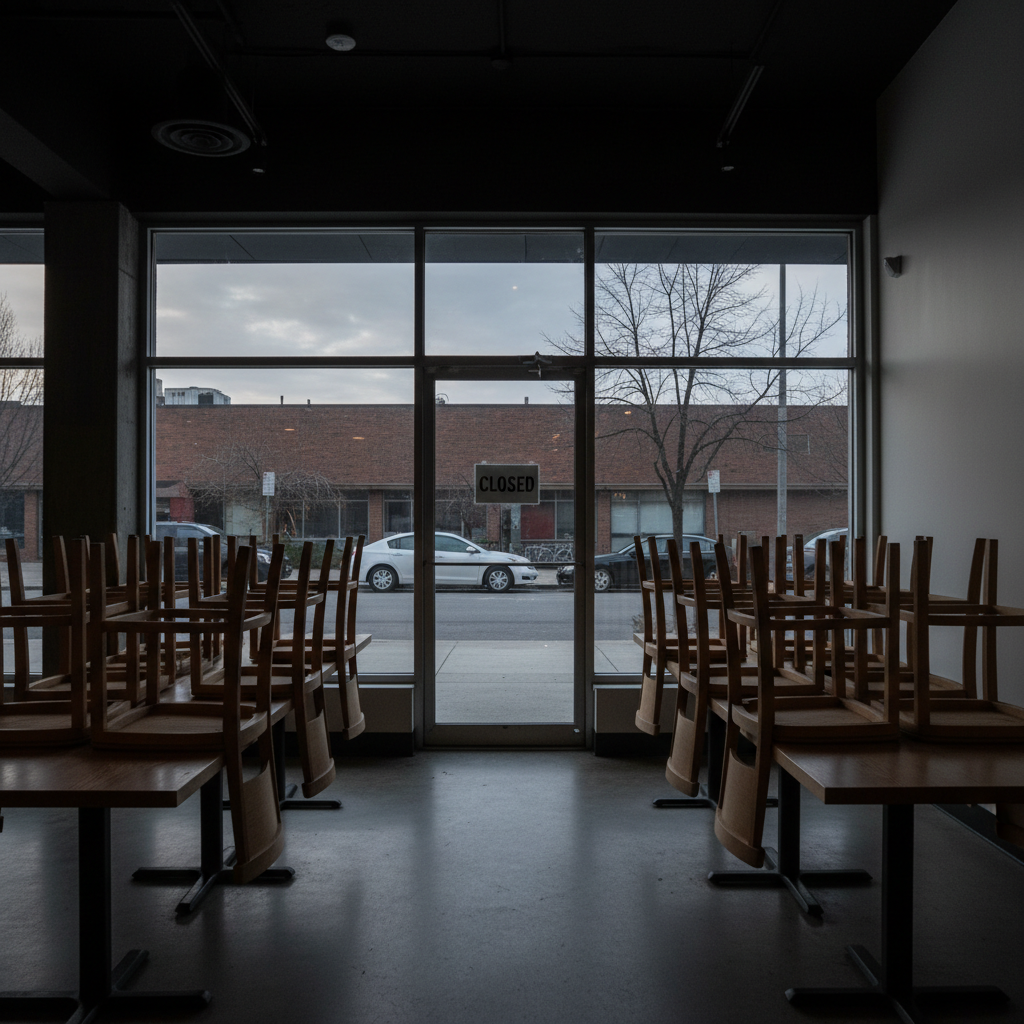
In a move sending shockwaves through the fast-casual scene, Salad and Go, the drive-thru salad chain, has filed for Chapter 11 bankruptcy. The filing, lodged in a Texas bankruptcy court on August 5, 2026, reveals the company is drowning in over $500 million in liabilities. According to Law360, this isn't a sudden collapse but a culmination of "years of losses" "accelerated by the cyclospora outbreak that has sickened thousands of people throughout the country."
For foodies and industry watchers, this is a major red flag. Salad and Go, known for healthy, accessible, and quick meal options, seemed to have cracked the code on nutritious fast food. However, the corporate details emerging from this bankruptcy filing tell a different story.
It paints a picture of a business already on shaky ground, tipped over by a massive public health crisis. A brand built on freshness and health is now inextricably linked to a devastating foodborne illness outbreak, a financially fatal reputational nightmare. While Chapter 11 protection often suggests reorganization, Law360's report that the business will be "winding down" indicates this is more a final act than a fresh start.
This case serves as a stark reminder of the razor-thin margins and immense risks in the food service industry. For consumers, it's a jarring wake-up call about food safety and the trust we place in beloved brands. The legal proceedings will now peel back the layers of Salad and Go's operations, exposing the decisions and circumstances that led to this catastrophic failure.
This isn't merely about one company going under; it's about consumer rights, corporate responsibility, and the potential for a single contamination event to bring a multimillion-dollar enterprise to its knees. We are witnessing a brand collapse unfold, with significant implications for how restaurant chains navigate financial instability and public health emergencies.
In this legal drama, the main character is Salad and Go. The company, as the debtor, has filed for Chapter 11 protection, seeking relief from creditors while addressing its massive $500 million in liabilities. This means Salad and Go is the entity on the hook.
Unlike a typical lawsuit, a bankruptcy filing is a company's defensive maneuver, a corporate "timeout" to stop financial bleeding and plan for the future. As reported by Law360, the plan appears to be a complete wind-down.
While Salad and Go is the sole party named in the bankruptcy filing, the story of who's truly "on the hook" is broader. The financial fallout will affect a wide network of stakeholders. This includes investors facing near-total loss of their investment.
It includes suppliers and vendors, from produce farms to packaging companies, who are now unsecured creditors likely to receive only pennies on the dollar. Most importantly, it includes the thousands of consumers sickened by the cyclospora outbreak. Their legal claims for medical bills, lost wages, and suffering are now part of the enormous liabilities that pushed the company into bankruptcy.
The bankruptcy process consolidates all these claims into one legal arena. This means individual personal injury lawsuits related to the cyclospora outbreak will now be handled within the bankruptcy case. This can be a double-edged sword for victims.
On one hand, it streamlines the process; on the other, they become part of a large pool of creditors vying for a piece of a shrinking pie. The court will decide the priority of these claims, and often, secured creditors like banks are paid before unsecured creditors like suppliers and food poisoning victims. This highlights consumer rights as the legal system balances claims of powerful financial institutions against the real harm suffered by individuals.
The core of this issue, as detailed in the Law360 report, is a perfect storm of financial mismanagement and a public health disaster. The bankruptcy filing bluntly states that Salad and Go experienced "years of losses," a critical piece of the puzzle.
It reveals the company's business model may have been flawed long before the outbreak. Was the chain expanding too quickly? Were price points too low to be sustainable? Were operational costs too high? These are questions that will be dissected in court. The "losses" were a chronic condition, not just a recent dip.
The cyclospora outbreak was the "accelerant," the final push that made a dire situation irreversible. Cyclospora is a parasite causing intestinal infection, typically transmitted through contaminated food or water, with fresh produce like salads being a common vehicle. An outbreak linked to a chain with "Salad" in its name is the definition of a brand catastrophe.
The core allegation is that the company lacked the resilience to survive this crisis. Its existing financial frailty meant it had no buffer to handle the monumental costs of a foodborne illness scandal. These costs include not only the expected drop in sales from terrified customers but also massive legal liability from those who were sickened.
Across 18,982 menu readings logged in 387 cities, the middle price for a restaurant plate sits at $9.00. We logged those prices ourselves, so that middle number is the one we trust over any average quoted elsewhere.
Sources and methodology
Reported from the public datasets below.
More from the Foodie Pundit Newsroom
- Cloud Bread Explosion Signals Shift in Social Media Food Trends
- Clinical Studies Confirm Gastrointestinal Side Effects of Popular Weight Loss Medications
- Casual dining chains are going broke, blame consumers and costs
- Eric Ripert Launches Sustainable Seafood Initiative To Protect Ocean Ecosystems
- The Next Protector of Your Produce Is a Living Bacteria