The Soil Revolution: Inside the Movement to Rebuild Farmland for a More Resilient Future
A growing number of farmers are turning to regenerative agriculture, a suite of soil-focused practices designed to combat climate change, boost profitability, and secure the future of food production.
By Foodie Pundit Newsroom - Published - Updated - Section: Sustainability
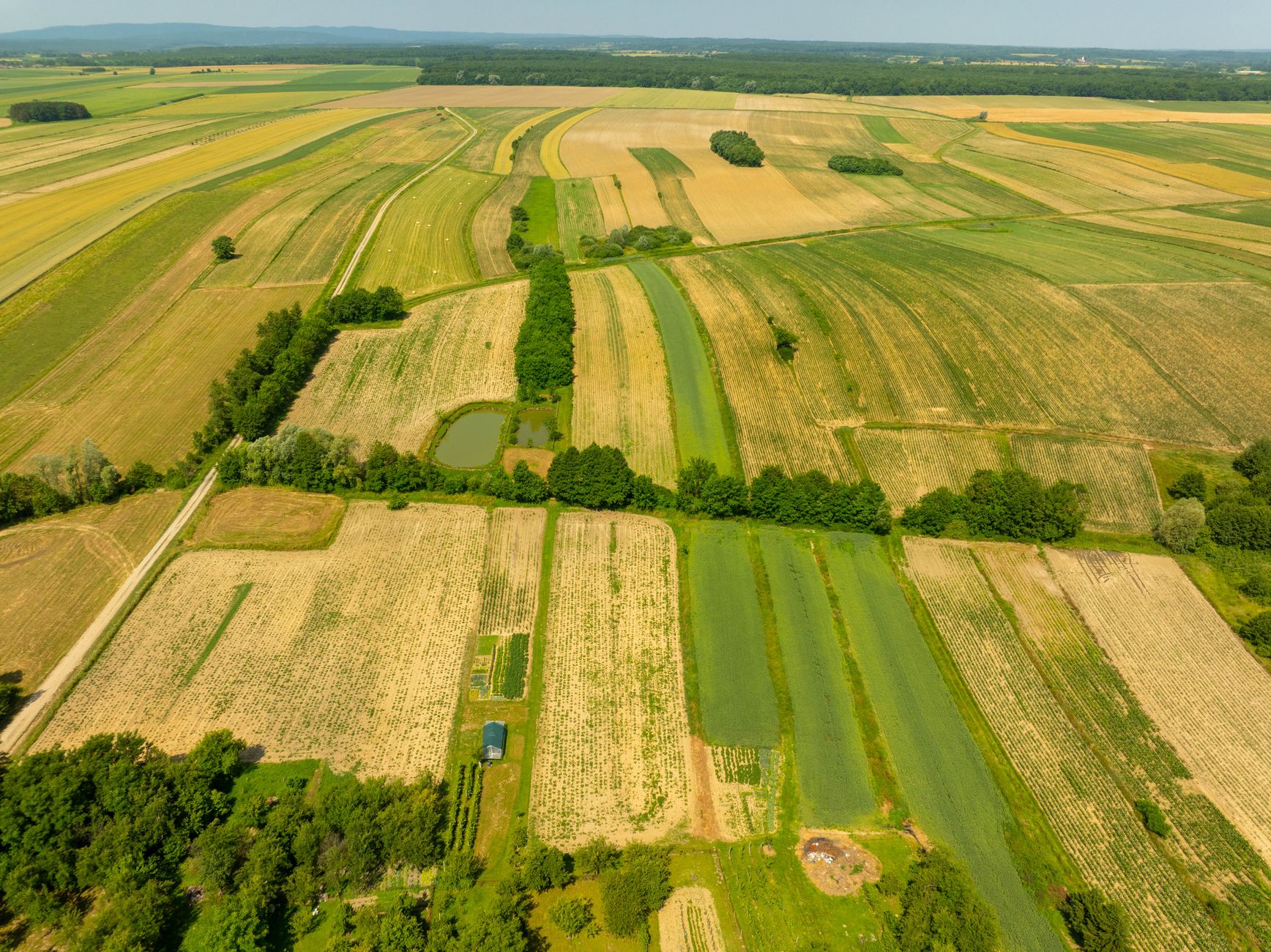
Key points
- Regenerative agriculture focuses on core principles like minimizing soil disturbance, maintaining soil cover, and increasing biodiversity to rebuild soil health.
- By increasing soil organic matter, regenerative practices enhance water retention, improve nutrient cycling, and can sequester atmospheric carbon, making farms more resilient to climate change.
- While there are initial transition costs, regenerative farming can lead to long-term profitability by significantly reducing expenditures on synthetic fertilizers, pesticides, and irrigation.
- Major barriers to adoption include existing agricultural policies, lack of technical knowledge, and the need for new supply chains that reward regenerative outcomes.
- Consumer demand for sustainably produced food and emerging carbon markets are creating new economic incentives for farmers to adopt these practices.
This report is part of Foodie Pundit premium coverage. Foodie Pundit members read the full story. See membership.
Sources and methodology
Reported from the public datasets below.
More from the Foodie Pundit Newsroom
- Wholesale Food Prices Jump Again as Grocery Inflation Refuses to Ease
- Top Shelf Shift: High-End Wine and Spirits Fuel Restaurant Revenue Growth
- Why Cold Fruit Refreshers Are Becoming More Expensive At Coffee Counters
- The New Economics of Elite Gastronomy: How Fine Dining Is Redefining Modern Luxury
- The New Digital Harvest: How Agri-Tech Is Reshaping Global Food Systems