Botulism outbreaks spark FDA warning for baby formula makers, stores
Baby formula botulism outbreaks mean manufacturers, stores, and everyone in between are on the hook, according to the FDA.
By Foodie Pundit Newsroom - Published - Updated - Section: Food Safety
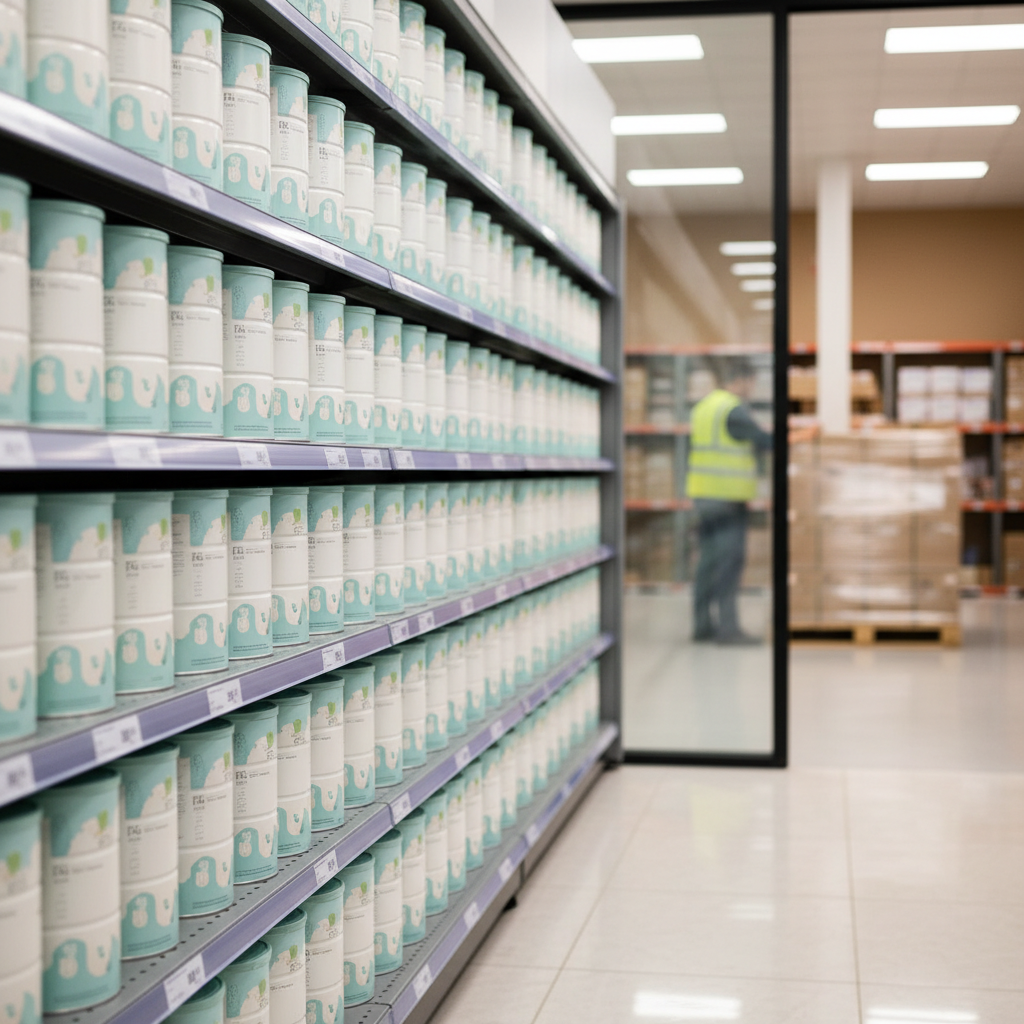
Key points
- The FDA is holding the entire supply chain—including packagers, distributors, and retailers—responsible for formula safety, not just the manufacturers.
- This regulatory shift follows a second botulism outbreak tied to powdered formula since late 2025, marking a crisis in specialized nutrition.
- Independent businesses and retailers must now treat formula sales as a high-liability zone, with increased expectations for monitoring and recall management.
The federal government is officially putting the entire infant formula industry on notice. In a move that signals a massive shift in how the Food and Drug Administration (FDA) intends to police specialized nutrition, the agency has issued a sweeping directive following a string of terrifying botulism outbreaks. We are not just talking about the giant factories where the powder is mixed. This directive creates a legal and regulatory ripple effect that touches every single player in the ecosystem, from the packagers and distributors to the retailers who stock the shelves.
For context, this is not just a polite request for better cleaning. This is high-level regulatory heat. The FDA is responding to a second infant botulism outbreak since November 2025, specifically linked to powdered infant formula.
In the world of food safety, botulism is the ultimate red flag. It is a rare but potentially fatal illness caused by a toxin that attacks the body's nerves. When it involves infants, the stakes are as high as they get.
By issuing this formal letter, the FDA is essentially building a paper trail. If another outbreak occurs, companies can no longer claim they were unaware of the specific risks or their specific responsibilities to mitigate them. Who Is On The Hook
While the media often focuses on the "Big Three" formula manufacturers, the FDA has made it crystal clear that the responsibility is shared across the board. The agency's letter targets five specific groups:
1. Manufacturers: They carry the "lion's share" of the weight, responsible for the actual production environment and ingredient sourcing.
2. Packagers: Companies that take bulk formula and put it into consumer-ready containers are now under intense scrutiny regarding the sterile nature of their facilities.
3. Distributors and Exporters: Those moving the product from point A to point B must now ensure that their logistics chains are not introducing contamination.
4. Importers: With more parents looking to European or specialty formulas, importers are being told they are legally responsible for the safety of what they bring across the border.
5. Retailers: This is where it hits home for the local grocer or specialty shop. Retailers are now expected to be an active final line of defense, monitoring for damaged products or recalled batches with more intensity than ever before. Formula production is sketchy
The core of the FDA's concern centers on the persistent threat of Clostridium botulinum in the production of powdered formula. Unlike liquid formulas, which are heat-treated to be commercially sterile, powdered formulas are not. They are a dry product, and if the environment where they are made or packaged contains moisture or contaminants, the risk of bacterial growth skyrockets.
The FDA's directive points to a systemic failure in monitoring. The agency is alleging that the current standards for production and environmental testing are simply not enough to protect the most vulnerable consumers. Specifically, the FDA is looking at how companies monitor their facilities for "pathogen niches" - places where bacteria can hide and survive for long periods.
It is also about the "supply chain hop." Every time a product changes hands - from the manufacturer to a third-party packager, then to a distributor - there is a window for error. The FDA is now demanding that every player in this chain act as if they are the primary manufacturer. If a distributor stores formula in a warehouse that doesn't meet strict temperature and humidity controls, they are now just as liable in the eyes of the regulator as the company that made the powder. Financial Fallout
While this specific news item is a regulatory warning rather than a finalized multi-billion dollar settlement, the financial implications are massive. For the corporate giants, the cost of compliance is about to go through the roof. We are talking about mandatory upgrades to air filtration systems, more frequent and expensive laboratory testing, and the potential for a complete overhaul of distribution contracts.
In the food industry, a "Warning Letter" or a formal directive like this often serves as the "Pre-SOP" (Standard Operating Procedure) for future litigation. If a company fails to implement the heightened monitoring the FDA is calling for and another baby gets sick, the legal defense of "we followed standard industry practices" is dead. Trial lawyers are currently watching these FDA moves like hawks. Any company named in a future outbreak will face astronomical punitive damages because they were "put on notice" by the government in July 2026.
For the smaller players, the financial hit comes from increased insurance premiums. Liability insurance for food distributors and retailers is calculated based on risk. When the FDA identifies a specific category like infant formula as a high-alert zone, the cost to insure the storage and sale of that product spikes. Small, independent retailers may find that the cost of carrying certain formula brands is no longer worth the thin margins. Big Tobacco Parallels
There is an eerie similarity between what is happening in the formula industry and the early days of Big Tobacco litigation. For decades, tobacco companies operated with a certain level of regulatory "understanding." But once the government began issuing formal warnings and linking products to specific health outcomes, the legal floodgates opened.
We are seeing a "Duty of Care" shift. The FDA is effectively raising the bar for what constitutes "reasonable behavior" in the food industry. By including retailers and distributors in this directive, they are creating a web of liability.
Just as tobacco retailers eventually faced strict laws on how they could sell and market products, formula retailers are being integrated into a safety regime that goes far beyond simple shelf-stocking. The "I just sell it" defense is being phased out in favor of a "knowledge and prevention" standard. Your restaurant is next
Sources and methodology
Reported from the public datasets below.