Abbott Labs Settles Out of Court, Dodging a $495 Million Payout Over Baby Formula Claims
After a court upheld a massive $495 million judgment, Abbott Laboratories has settled with a family who claimed its baby formula led to a disabling condition in
By Foodie Pundit Newsroom - Published - Updated - Section: Policy Regulation
Key points
- Abbott Laboratories settled with a family after a court upheld a $495 million verdict claiming its baby formula caused harm.
- The case was a "bellwether trial," a test case that signals major financial risk for Abbott in other, similar lawsuits.
- This verdict puts the entire food industry on notice, emphasizing the massive financial and reputational costs of product safety failures.
- The settlement avoids a legal precedent but highlights the growing power of consumer rights and personal injury lawsuits in the food and beverage sector.
- The heightened consumer awareness around food safety creates an opportunity for independent restaurants to build trust through transparency in their sourcing and ingredients.
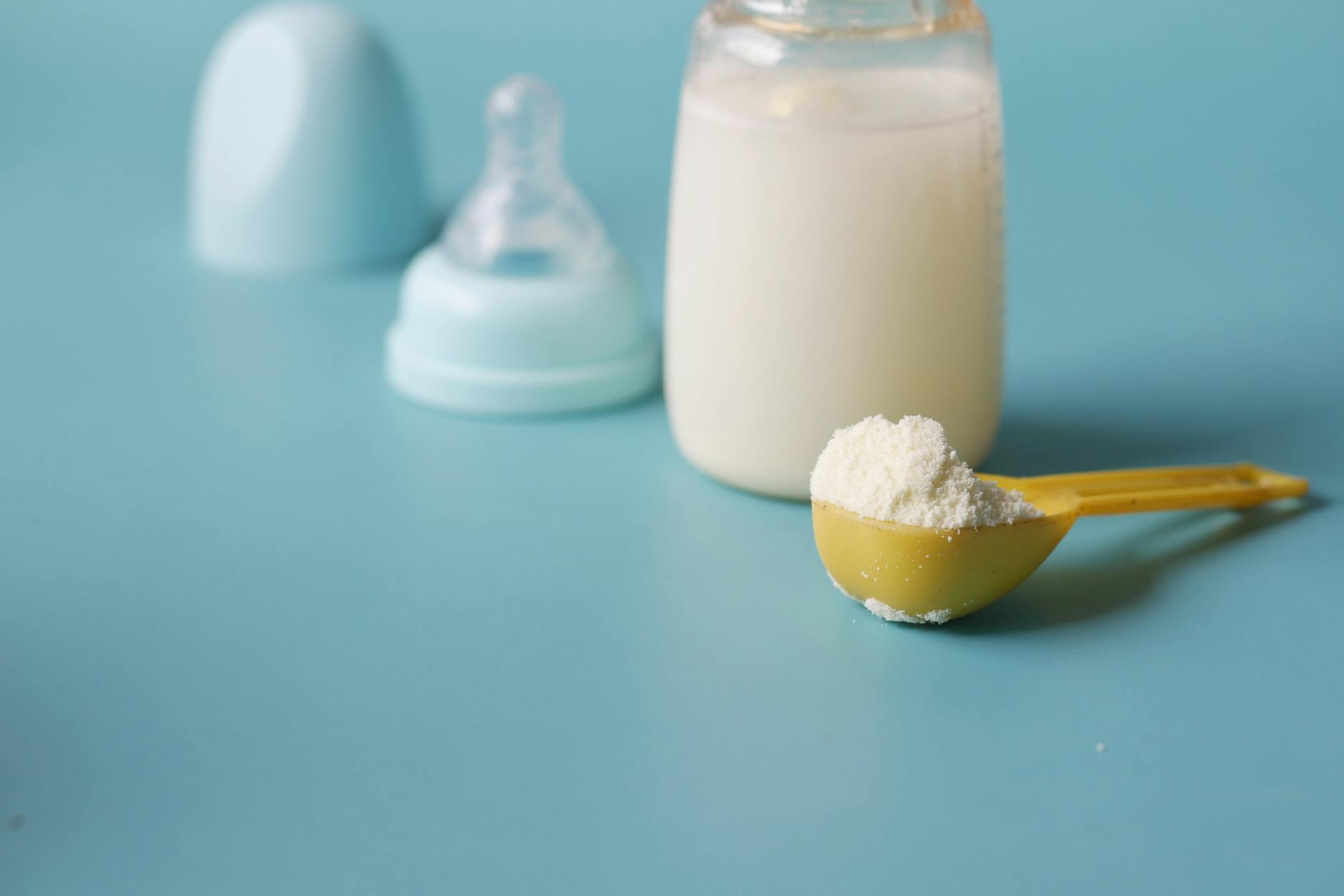
Abbott Laboratories, a major player in the global pharmaceutical and nutrition space, just sidestepped a nearly half-billion-dollar bullet. The company reached a settlement with a family that had secured a staggering $495 million jury verdict against them. This case, which flew under the radar for many, is a massive deal for the food and beverage world, shining a harsh spotlight on the responsibilities of corporations that produce specialized food products, especially for the most vulnerable consumers.
This isn't just about one lawsuit; it's a story about corporate accountability, consumer trust, and the immense financial risks companies face when things go wrong. Let's unpack the legal tea. The Legal Tea
Here's the rundown: an unnamed family sued Abbott Laboratories, alleging that their baby formula was responsible for causing a severe, disabling condition in their premature infant. This isn't a simple case of a product not meeting expectations. It's a deeply serious personal injury claim, a type of lawsuit that argues a product directly caused physical harm.
The case went to a bellwether trial, which is basically a test case used to gauge how juries might respond to a larger set of similar lawsuits. The result was a jaw-dropping $495 million judgment in favor of the family. According to the source, Law360, after a midlevel appellate court upheld the massive win, Abbott decided to strike a deal rather than continue the appeal process.
What this actually means is that instead of continuing to fight the verdict in a higher court, Abbott chose to negotiate a private settlement with the family. The exact terms of this deal are confidential, so we don't know the final dollar amount, but it was enough for both sides to agree to end the legal battle. This move effectively closes the book on this specific case, but it opens up a much larger conversation about the baby formula industry and corporate liability. Who's On The Hook
The main defendant here is Abbott Laboratories Inc., a global healthcare company with a massive footprint in the nutritional products market. They are one of the biggest names in baby formula, a product that is a staple in millions of homes. When a company of this size and influence is hit with such a significant judgment, it sends ripples throughout the entire industry.
The plaintiffs are an unnamed family, whose privacy is being protected due to the sensitive nature of the case involving a minor. Their fight, however, represents a broader movement for consumer rights and transparency. They stood up to a corporate giant and, at least initially, won a verdict that is almost unheard of in its scale for a single-family personal injury case.
This victory, even though it ended in a settlement, empowers other consumers and puts corporations on notice. It reinforces the idea that companies are, in fact, on the hook for the safety of their products, and the financial consequences of failing that responsibility can be severe. The Allegations Unpacked
The core of the lawsuit was the claim that Abbott's baby formula directly caused a disabling condition in a premature baby. While the specific medical condition hasn't been publicly detailed, these types of cases often revolve around how certain ingredients or formulations affect infants, particularly those born prematurely who have underdeveloped digestive and immune systems. The allegations dig deep into the science of infant nutrition and the responsibilities of manufacturers to ensure their products are not just safe, but appropriate for the specific, vulnerable populations they are marketed to.
This case wasn't about deceptive marketing or labeling in the way we might see with a snack food claiming to be "all-natural." This was about a fundamental product safety issue, with life-altering consequences alleged. The plaintiffs had to convince a jury that there was a direct causal link between the formula and the child's health problems.
The fact that they succeeded, and that the verdict was upheld on an initial appeal, suggests the evidence they presented was incredibly compelling. Financial Fallout
Let's talk numbers, because they are staggering. A $495 million judgment is not just a slap on the wrist; it's a five-alarm fire in the chief financial officer's office. For a massive company like Abbott, it might not be a fatal blow, but it's a significant hit that shareholders and the board of directors will absolutely notice.
This figure represents a massive financial risk. The decision to settle after the appeal was upheld was a strategic one. By settling, Abbott contains the damage.
They avoid the possibility of a higher court affirming the $495 million verdict, which would set a powerful legal precedent for other pending cases. It also prevents the headline risk of more court battles. However, it's also an implicit acknowledgment of the strength of the plaintiffs' case.
Companies don't settle for significant amounts out of the goodness of their hearts. They do it to mitigate even bigger potential losses. The initial judgment serves as a stark warning to the entire food and beverage industry: the cost of product liability failures can be astronomical.
This isn't just legal fees; it's a direct threat to the bottom line that can impact stock prices, investor confidence, and the company's overall market valuation. The financial fallout extends beyond just Abbott, acting as a cautionary tale for any company in the business of making and selling food products. Big Tobacco Parallels
While the food and tobacco industries are very different, it's hard not to see some parallels in the legal strategies and the slow-burn nature of public and legal reckoning. For decades, Big Tobacco faced lawsuits and public scrutiny, often settling individual cases while fighting the broader scientific consensus and regulatory efforts. This case against Abbott, particularly as a bellwether trial, has echoes of that playbook.
A bellwether is designed to test the waters, and a nearly half-billion-dollar verdict is a tsunami. It signals a potential wave of litigation that could become an existential threat, much like what the tobacco industry faced. The strategy of settling high-profile, high-risk cases is a classic corporate defense move to avoid setting legal precedents that could make it easier for future plaintiffs to win.
It localizes the problem, turning a potentially catastrophic, industry-wide issue into a series of smaller, manageable (though still expensive) ones. This is a critical moment for the specialized food industry. Will this be a one-off case, or is it the first major crack in a dam that's about to break?
The parallels to Big Tobacco serve as a historical lesson on how sustained legal pressure, based on claims of product harm, can fundamentally reshape an entire industry and the public's perception of it. What This Means For Independent Restaurants
At first glance, a lawsuit about baby formula might seem a world away from the daily grind of running an independent restaurant. But the trickle-down impact is real and significant. This case amplifies the conversation around food safety, transparency, and ingredient sourcing, and consumers are paying closer attention than ever.
When a major corporation like Abbott is in the hot seat for product safety, it raises the public's collective anxiety about the food they consume everywhere, from the grocery store aisle to their favorite local bistro. This heightened awareness means diners are more likely to ask questions: Where does this ingredient come from? Is this organic?
How do you handle food allergies? For independent restaurants, this is both a challenge and an opportunity. It's a challenge because it raises the bar for transparency and requires operators to be more knowledgeable and communicative about their supply chain.
It's an opportunity because local restaurants can often be more nimble and transparent than large chains. They can build trust by highlighting their relationships with local farms, detailing their ingredient sourcing on their menus, and training their staff to speak knowledgeably about the food they serve. This lawsuit reinforces that "consumer rights" is not just a buzzword; it's a powerful movement.
Small restaurants can lean into this by positioning themselves as the trustworthy alternative to faceless corporations, building a loyal customer base that values that transparency. The key is to see this not as a burden, but as a chance to connect with foodies on a deeper level. What Happens Next
The settlement means this particular legal battle is over. The appeal is off the table, and Abbott and the family will move on, bound by the terms of their private agreement. However, the story is far from finished.
This was a bellwether trial, meaning there are likely many other families with similar claims waiting in the wings. The massive verdict, even though it was ultimately settled, has now set a new benchmark for what's at stake. Lawyers for other plaintiffs will undoubtedly use this $495 million figure as a powerful negotiating tool in future settlement talks and as a psychological anchor for future juries.
Abbott has staunched the bleeding on this one wound, but the war over its baby formula products is likely just beginning. We can expect to see more lawsuits, and the company will be under intense pressure to settle them to avoid another public relations and financial disaster like this initial verdict. For the broader food industry, this is a moment of reckoning.
It's a loud and clear message that product safety cannot be compromised, and when it is, the financial and reputational costs can be devastating. Keep an eye on this space; the corporate tea is just starting to brew.
Sources and methodology
Reported from the public datasets below.
More from the Foodie Pundit Newsroom
- FTC Cracks Down On Secret 'Surveillance Pricing' In The Food Industry
- The End of an Era: Why a Legendary Diner's Closure Signals a Crisis for Small Restaurants
- Florida Is Getting A Dedicated Breakfast Burrito Shop
- A New Beer Garden Just Dropped In Denargo Market
- Can You Believe It? Big Beverage Packaging Player Might Be Selling Off Its Shiny Metal Biz