Akira Back Brings High-End Japanese Fusion to Mayfair as London Retains Appeal for Global Restaurant Brands
International culinary brand Akira Back opens its flagship London venue in Mayfair as global luxury dining operators target the UK market.
By Foodie Pundit Newsroom - Published - Section: Luxury Dining
Key points
- Celebrated chef Akira Back expands his global portfolio with a new high-end Japanese dining concept in London Mayfair district.
- The launch reflects strong investor confidence in London luxury dining market despite broader economic and inflationary pressures.
- The operational strategy leverages global brand recognition to capture high-net-worth diners and international travelers.
- Supply chain reliability and talent acquisition remain key operational priorities for premium Japanese dining concepts.
London's dining landscape is undergoing a significant transformation as international Michelin-starred chefs continue to view the capital as a prime market for global expansion. The recent arrival of Akira Back, a celebrated culinary concept debuting in Mayfair, highlights the ongoing attraction of London as a central hub for high-end dining investments. The venture brings a unique blend of modern Japanese cuisine infused with Korean influences to an increasingly competitive market segment.
The opening represents a broader trend within the global hospitality industry where successful brand concepts from Asia and North America are exported to European financial centers. Back, a former professional snowboarder turned global restaurateur, has established a vast international portfolio spanning cities such as Las Vegas, Dubai, Seoul, and Toronto. His entry into the UK market reflects strong commercial confidence in the post-pandemic resilience of London's luxury dining sector.
According to reporting by the Evening Standard, the new establishment aims to capture both high-net-worth local patrons and international travelers seeking elevated dining experiences. The strategic choice of location in Mayfair places the venue alongside some of the world's most prestigious culinary operations. This geographic concentration underscores how prime real estate remains crucial for global dining brands attempting to establish a lasting presence in Europe.
From an operational perspective, launching a major restaurant in London requires substantial capital expenditure and a precise understanding of local supply chains. The venue integrates high-grade raw ingredients, specialized seafood sourcing, and complex culinary techniques to deliver its signature offerings. Managing these supply chains effectively is paramount for premium Japanese concepts, which rely heavily on consistent quality to justify premium price points.
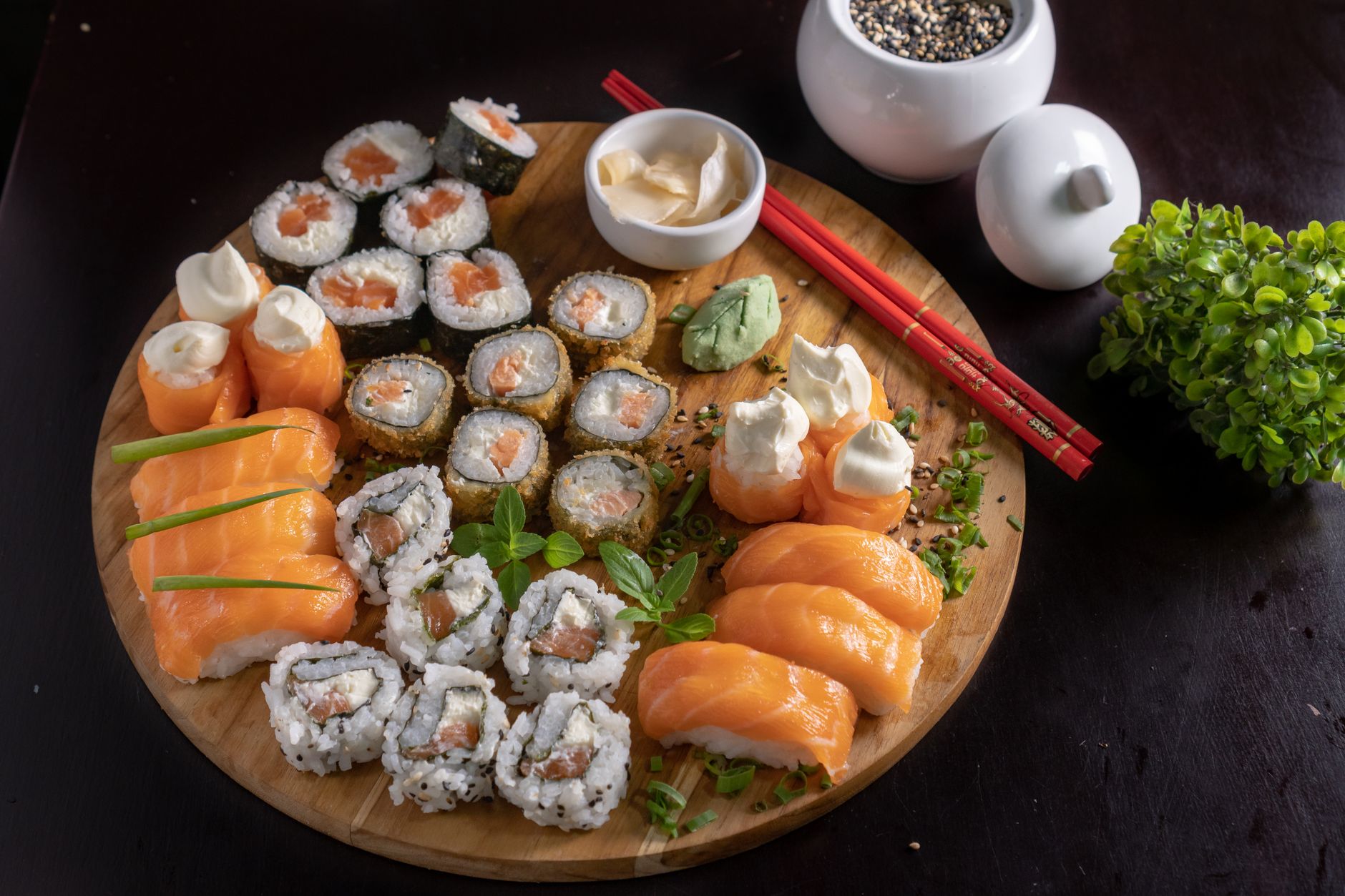
The menu combines classic Japanese precision with modern flavor profiles, incorporating elements such as tuna pizza, AB tacos, and specialty sushi rolls. This approach to menu engineering is designed to appeal to a broad demographic, bridging the gap between traditional Japanese dining and contemporary international palates. By balancing accessible, photo-worthy signature dishes with sophisticated tasting menus, the restaurant aims to maximize table turnover while maintaining high average spend per guest.
Staffing and talent acquisition present another critical component of the expansion strategy. Operating a high-volume, luxury establishment in central London requires a skilled front-of-house team and experienced sushi chefs, both of which have been in tight supply across the UK hospitality industry in recent years. Investing in extensive staff training and competitive compensation packages is essential to ensure operational consistency and service excellence.
THE BUSINESS ENVIRONMENT FOR PREMIUM JAPANESE CUISINE
The premium Japanese dining segment in London has become notably crowded, with established players and new entrants vying for market share. Factors such as rising energy costs, food inflation, and changes in corporate entertainment budgets have exerted pressure on operating margins across the restaurant sector. However, the top tier of luxury dining has largely demonstrated immunity to these macroeconomic headwinds, supported by sustained demand from affluent consumers.
Industry analysts note that international chef-led concepts bring inherent brand equity that helps mitigate initial market entry risks. Patrons who are already familiar with the Akira Back brand from visits to Las Vegas or Dubai provide an immediate customer base in London. This global brand recognition serves as a powerful marketing engine, reducing the customer acquisition costs typically associated with launching a new restaurant in a competitive territory.
Furthermore, partnerships with luxury hotels and real estate developments have become a preferred route for global restaurant operators expanding into new territories. These collaborations frequently offer favorable lease terms, shared operational overhead, and direct access to an established guest pipeline. The integration of high-profile dining concepts into luxury commercial developments enhances the overall asset value of the host property while offering the restaurant operator a stable foundation for growth.
The success of major international launches like this serves as an important barometer for the overall health of the UK's upscale restaurant market. If the venue achieves its revenue targets and operational stability, it is likely to encourage further foreign direct investment into London's food and beverage sector. Other international hospitality groups are closely monitoring these developments as they evaluate potential expansion plans in Europe.
As consumer preferences continue to evolve toward experiential dining, modern concepts that emphasize vibrant ambiance, innovative mixology, and sharing-style plates are well-positioned to capture market share. The fusion of culinary art with lifestyle dining elements reflects a permanent shift in how urban consumers engage with high-end hospitality. The coming months will reveal how effectively the brand navigates local market dynamics and whether it can secure a permanent foothold in London's culinary hierarchy.
For consumers and industry watchers, the arrival of global dining brands in major metropolitan areas increases access to world-class culinary experiences while driving overall service standards higher. Increased competition within the luxury segment forces existing operators to innovate and refine their offerings, ultimately benefiting diners through better quality and more diverse culinary choices.
For hospitality professionals and investors, this opening underscores the importance of strong brand equity and resilient supply chains in navigating economic uncertainty. Understanding how global operators execute local market entries provides valuable insights into the future direction of international restaurant development and real estate strategy.
Sources and methodology
Reported from the public datasets below.
More from the Foodie Pundit Newsroom
- Next Generation Takeout Packaging Replaces Single Use Plastics With High Tech Bio Materials
- Capital Dining Expansion Accelerates with Major July Restaurant Launch Wave
- High Stakes Real Estate Trends Reshape Dining in Austin's 2nd Street District
- Downtown Austin Retail Hub Shifts Focus to High-Density Hospitality Concepts
- Austin Urban Core Sees Culinary Revitalization As 2nd Street District Prepares For New Venues