Akira Back Debuts London Flagship at Mandarin Oriental Mayfair
International culinary star Akira Back opens his flagship London restaurant inside the Mandarin Oriental Mayfair, signaling continued strength in the luxury hos
By Foodie Pundit Newsroom - Published - Section: Luxury Dining
Key points
- Chef Akira Back has launched his self-named restaurant at the new Mandarin Oriental Mayfair in London.
- The luxury venue combines signature modern Japanese-Korean dishes with premium local British ingredients.
- Hotel partnership models continue to insulate high-end dining operators from broader casual dining market headwinds.
- The opening intensifies competition in London's highly lucrative luxury Japanese dining sector.
LONDON EXPANSION DRIVES HOSPITALITY GROWTH
The high end dining market in London continues to attract global culinary talent despite broader economic pressures facing the United Kingdom hospitality sector. Chef Akira Back, a former professional snowboarder turned international restaurateur, has officially opened his flagship self-named venue inside the Mandarin Oriental Mayfair. The debut marks a significant milestone for the Michelin-starred chef, whose global footprint already spans major luxury markets including Las Vegas, Dubai, Paris, and Seoul.
The strategic choice of Mayfair underscores the ongoing vitality of London as a primary hub for international restaurant brands seeking prestige and high-spending clientele. While mid-market casual dining establishments across Britain grapple with elevated energy prices, rising labor costs, and reduced consumer discretionary spending, luxury hotel dining rooms remain relatively insulated. Property developers and five-star hotel operators rely heavily on acclaimed celebrity chefs to drive food and beverage revenues, secure international guest bookings, and differentiate their properties in saturated urban markets.
According to reporting by the Evening Standard, the new location reflects Chef Back's signature approach of blending traditional Japanese culinary techniques with modern Korean influences and American flavor profiles. The venue spans a multi-room layout designed to capture both corporate dining traffic and weekend leisure spenders. By embedding the enterprise within a newly constructed luxury hotel development, the operating group leverages shared infrastructure, baseline room-guest demand, and cross-promotional hospitality networks.
The menu architecture at Akira Back London balances established global hits with localized seasonal ingredients tailored to British palates. Core dishes that established the chef's international reputation, such as his signature tuna pizza featuring raw fish, truffle oil, and microgreens on a crispy tortilla base, serve as anchor items. These high-margin, visually distinctive creations are paired with elaborate raw bar selections, premium wagyu beef offerings, and complex robata-grilled dishes.
Ingredient sourcing for the venue relies on a dual supply chain strategy common among elite London establishments. High-grade seafood and specialized items are imported directly from Japanese fish markets and specialized international distributors, ensuring consistency across the chef's worldwide portfolio. Simultaneously, the kitchen incorporates regional British produce, local shellfish, and premium livestock to satisfy local sustainability expectations and manage transport overheads.
Beverage programs play an equally critical role in the restaurant's revenue engine. The wine and spirits list features extensive selections of rare sakes, small-batch Japanese whiskies, and vintage champagnes designed to complement the complex umami profiles of the kitchen. High-margin craft cocktail menus, utilizing Japanese botanicals and modern mixology techniques, target pre-dinner drinkers and lounge guests, effectively increasing the average check size per cover.
THE ECONOMICS OF LUXURY HOTEL RESTAURANTS
The partnership model between independent celebrity chefs and luxury hotel chains has evolved rapidly over the past decade. Rather than operating strictly as standard tenants paying fixed commercial rent, high-profile chefs frequently enter into management agreements or joint venture structures with property owners. In these arrangements, the hotel brand funds the initial capital expenditure for kitchen build-outs and interior design, while the chef brings operating systems, brand equity, and culinary intellectual property.
This operational structure mitigates financial risk for the culinary operator while providing the hotel owner with an immediate marketing narrative and a turn-key food service operation. In the competitive Mayfair market, where commercial real estate commands some of the highest per-square-foot rates globally, partnering with an established brand like Akira Back reduces the ramp-up time required to achieve profitability. The hotel benefits from elevated room rates, as corporate travelers and affluent tourists increasingly select accommodations based on on-site dining choices.
However, operating in London's premier dining district presents distinct cost challenges that require rigorous management. Labor recruitment for specialized roles, including trained sushi chefs, sommeliers, and front-of-house service staff, remains a major pain point across the U.K. culinary industry following structural labor market shifts. To maintain service standards expected at this price tier, operators must offer competitive compensation packages and structured career progression, directly impacting operating margins.
COMPETITIVE LANDSCAPE IN HIGH END JAPANESE CUISINE
London's luxury Japanese dining segment is exceptionally dense, featuring established institutions alongside rapid new arrivals. Competitors range from long-standing Michelin-starred sushi counters to expansive multi-story nightlife venues that blend dining with entertainment. To capture market share, new entrants must offer a distinct visual identity, memorable sensory experiences, and exceptional consistency.
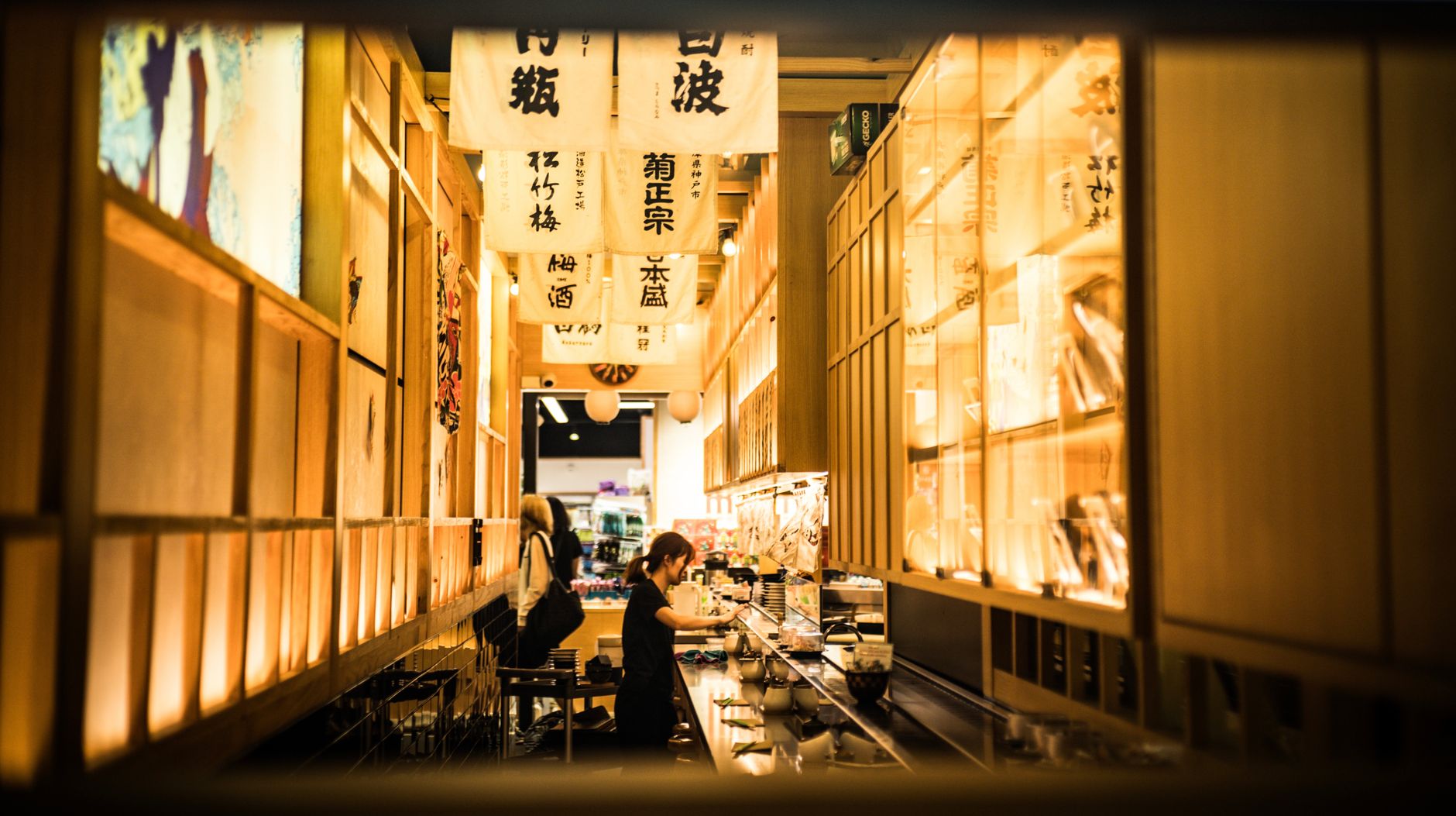
Akira Back enters this arena with a clear market positioning that targets modern, trend-conscious diners rather than purist traditionalists. The interior design incorporates dramatic architectural elements, bespoke lighting, and intimate seating configurations that cater to social media sharing and celebratory group dining. This experiential focus helps sustain foot traffic beyond the initial opening phase, driving repeat visits from local residents and corporate accounts.
Industry analysts note that successful concepts in this segment must maintain high table turnover rates during peak dinner shifts while preserving an unhurried, premium atmosphere for guests. Balancing reservations between hotel residents, international visitors, and local food enthusiasts is vital for maximizing room occupancy and dining revenue throughout the business week.
For hospitality professionals and industry observers, the opening of Akira Back in Mayfair provides a clear case study in how global culinary brands scale into complex metropolitan markets. It demonstrates the enduring strength of the ultra-luxury restaurant segment even during wider macroeconomic volatility. Hotel operators will be watching the revenue metrics closely to gauge the return on investment for high-concept, multi-outlet dining partnerships in prime central London locations.
For consumers and corporate diners, the arrival adds another high-caliber option to London's vibrant Asian dining scene, though at a premium price point reflecting its location and ingredient sourcing. The venue showcases how international chefs adapt regional menus to suit local market preferences while maintaining core brand identity. As competition intensifies among luxury hotels across major European cities, diners can expect continued investment in high-concept food and beverage experiences designed to capture global travel spend.
Sources and methodology
Reported from the public datasets below.
More from the Foodie Pundit Newsroom
- How Whole Foods Is Quietly Winning the Grocery War with House Brands and Prepared Meals
- Akira Back Brings International Japanese Dining Concept to Competitive London Market
- Artisanal Bakery Chains Facing Waves of Sudden Location Closures
- Summer Dessert Trends Shift Toward Frozen Textures and Nostalgic Upgrades
- The Bakery Economics Of Flaky Pastry Techniques Exposed