Aldi Rolls Out Electronic Shelf Tags Nationwide to Modernize Retail Operations
Aldi is upgrading store infrastructure with electronic shelf tags to improve pricing accuracy and reduce manual labor costs across its retail network.
By Foodie Pundit Newsroom - Published - Updated - Section: Grocery Cpg
Key points
- Aldi is deploying electronic shelf labels nationwide to replace traditional paper price tags across its store footprint.
- The technology allows centralized, instant price updates that significantly reduce labor hours and eliminate shelf-to-register price discrepancies.
- Digital tags enable operational improvements like stocker guidance lights and automatic perishable markdowns to cut food waste.
- While the tags enable real-time price updates, discount grocers focus on price consistency rather than dynamic intraday surges.
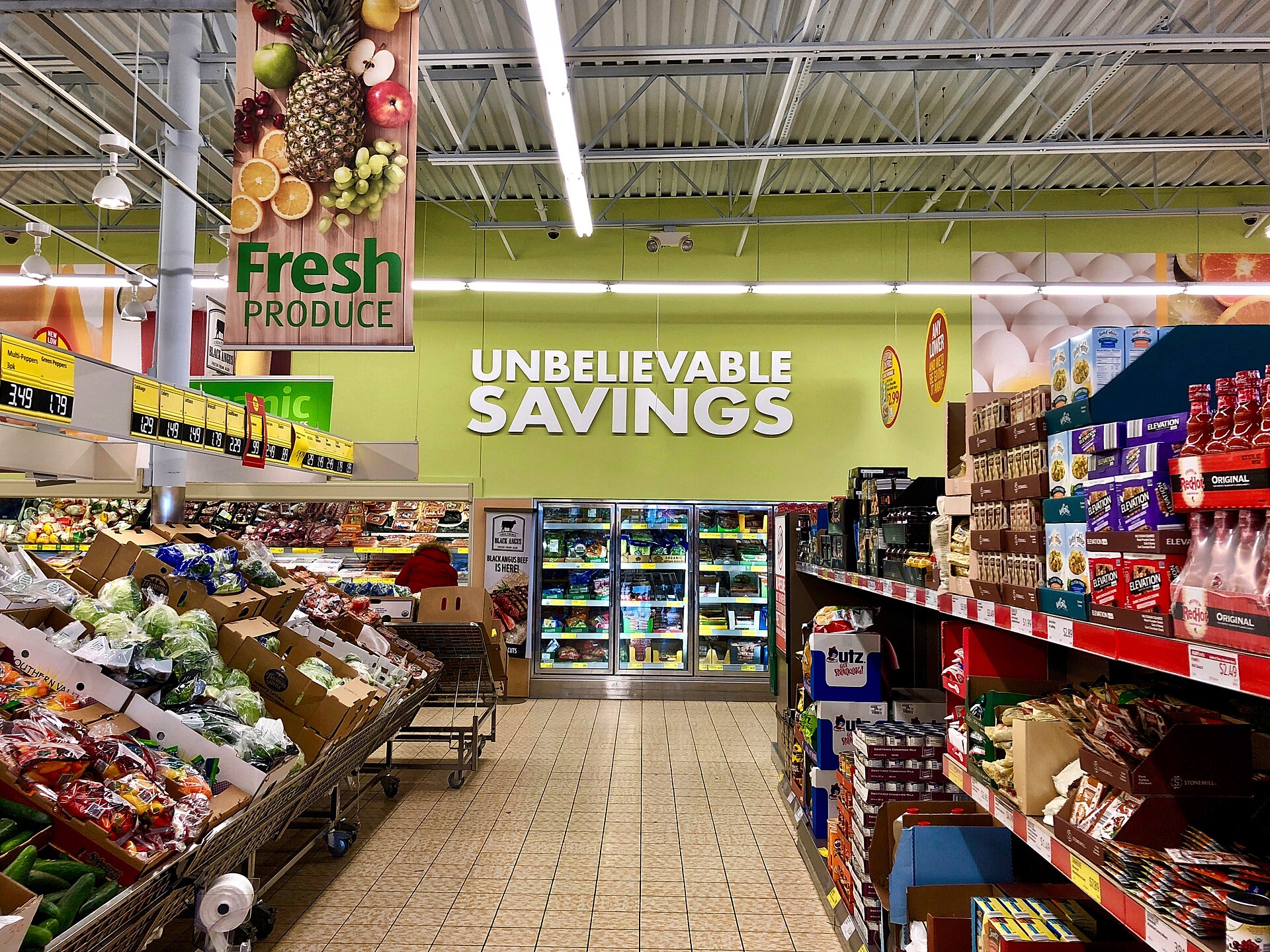
The landscape of discount grocery retailing is undergoing a quiet technological transformation that promises to alter how prices are communicated on store shelves. German deep-discount giant Aldi has begun a widespread deployment of electronic shelf labels across its American retail footprint. According to reporting from Winsight Grocery Business, this modernization initiative represents a significant operational pivot for a chain long celebrated for its minimalist approach to store design and fixture costs.
For decades, discount grocers relied on manual paper signage to display item costs. Store associates walked the aisles with printed paper strips, manually swapping out tag after tag whenever promotional pricing changed or inflationary adjustments took effect. By transitioning to digital price tags, Aldi aims to streamline labor requirements, eliminate human error on shelf labeling, and optimize operational efficiency across hundreds of locations.
The new technology relies on electronic ink display modules mounted directly to shelf channels. These low-power digital tags communicate wirelessly with a centralized store management database. When a corporate pricing decision is made, price updates sync across every digital tag in a target store in a matter of seconds, replacing a labor-intensive process that previously took store clerks several hours each week to complete manually.
THE OPERATIONAL ECONOMICS OF ELECTRONIC SHELF LABELS
From a pure store operations perspective, paper price tags represent a hidden sink of labor hours and material expenses. Grocery chains process thousands of price adjustments each month driven by supply chain volatility, commodity price shifts, and promotional calendars. Swapping paper tags requires printing physical cardstock, cutting strips to size, sorting them by aisle layout, and manually inserting them into plastic shelf rails.
Electronic shelf labels eliminate virtually all of these recurring physical touchpoints. Store staff members can be redeployed from mundane shelf maintenance tasks to customer-facing duties, stock replenishment, and order fulfillment for online pickup programs. In an industry defined by razor-thin operating margins, reclaiming even ten hours of store labor per week per location translates to substantial long-term savings across a enterprise network operating thousands of storefronts.
Furthermore, digital tags drastically reduce the rate of price discrepancies between the store shelf and the point-of-sale register system. Misaligned paper tags often lead to customer dissatisfaction at checkout, mandatory price overrides, and potential regulatory fines from local departments of weights and measures. Centralized digital pricing management ensures that the shelf price matches the register scan price at all times.
HOW THE INFRASTRUCTURE WORKS ON THE RETAIL FLOOR
The electronic shelf label infrastructure deployed by modern grocers uses wireless protocol standards similar to low-energy radio frequencies. Each digital tag contains an e-paper display module capable of rendering high-contrast text, numbers, and barcodes without consuming power while displaying a static image. Power is consumed only during the brief moment when an image update is transmitted over the air.
Central management software allows regional corporate headquarters or local store managers to push price adjustments instantly. Beyond standard pricing, digital tags can display promotional banners, unit pricing comparisons, inventory status codes, and QR codes that shoppers can scan with smartphones for detailed nutritional information. This flexibility transforms a static piece of paper into an interactive digital touchpoint for consumers.
Integration with inventory management systems allows the tags to display stocking indicators for retail staff during overnight freight replenishment. When stockers scan an incoming case of goods, corresponding digital shelf tags can flash tiny light-emitting diodes to guide workers directly to the correct shelf location. This process accelerates truck unloading times and reduces stocking errors across complex center-store aisles.
The introduction of connected, digital shelf tags naturally raises questions regarding dynamic pricing models within the retail grocery market. Dynamic pricing refers to the practice of adjusting prices in real time based on fluctuating demand, time of day, inventory levels, or local competition. While airlines and ride-hailing services have long utilized dynamic algorithms, physical grocery stores historically lacked the infrastructure to implement such rapid price adjustments.
Retail industry analysts note that while digital tags make intraday pricing technically feasible, grocers remain cautious about changing consumer pricing too frequently. Rapid price adjustments during peak shopping hours could alienate cost-conscious shoppers who value price consistency and transparency above all else. In the discount grocery sector, maintaining shopper trust is paramount, making sudden intraday price spikes unlikely.
Instead, chains are using digital tag technology primarily to manage promotional calendars, execute markdown schedules for expiring fresh foods, and streamline standard price changes. By setting automatic markdowns on perishable items as they approach expiration dates, stores can reduce food waste and recoup inventory costs without requiring employees to manually apply discount stickers to individual packages.
For everyday shoppers, the national rollout of electronic shelf tags at discount supermarkets means clearer, more accurate pricing information in store aisles. You will no longer encounter outdated paper tags that fail to reflect current register pricing, reducing friction and unexpected price adjustments at checkout. High-contrast digital screens make unit pricing and promotional discounts far easier to read from a standing distance.
In addition, the labor efficiencies gained through digital automation allow store teams to focus more attention on keeping shelves fully stocked, maintaining clean aisles, and speeding up register lines. While the technology gives retailers the technical capability to update prices instantly, discount grocers remain committed to everyday low pricing structures. You can expect a cleaner, modern shopping environment without sacrificing the value-focused price structure that drew you to discount grocery stores in the first place.
Sources and methodology
Reported from the public datasets below.
More from the Foodie Pundit Newsroom
- Your faves are closing because money's tight, your habits changed
- Whole Foods Names New Northeast Vice President Amid Shifting Grocery Dynamics
- Menu prices rise as restaurants navigate higher operational costs
- Independent Restaurants Face Widespread Closures as Industry Costs Soar
- Dollar General Expands Fresh Produce to 1,500 Additional Stores