Aldo Zilli Relocates to Manchester with Street Food Venture
Celebrity chef Aldo Zilli is relocating his culinary operations from London to Manchester, launching a mobile food truck concept to combat rising restaurant ove
By Foodie Pundit Newsroom - Published - Updated - Section: Chef Moves
Key points
- Aldo Zilli is moving his business headquarters from London to Manchester to launch a high concept food truck.
- The pivot to mobile catering highlights how top chefs are dodging high real estate and operating costs in the capital.
- Manchester continues to cement its status as the UK's top regional hub for hospitality investment and street food innovation.
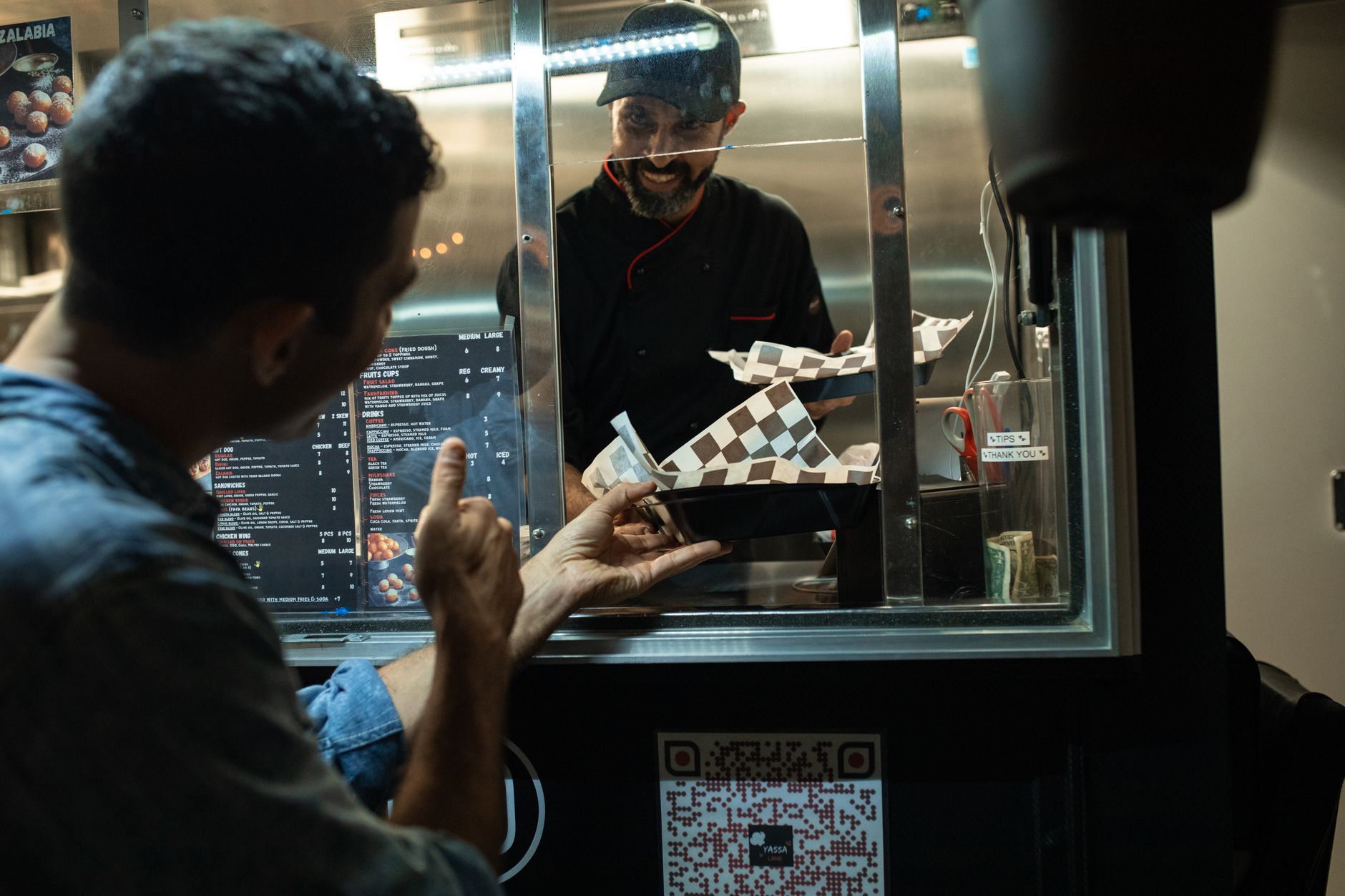
Celebrity chef Aldo Zilli is packing up his knives in London and setting his sights squarely on the north of England. The veteran Italian restaurateur has announced a full relocation to Manchester, marking a dramatic shift in his business strategy. Rather than opening another high end dining establishment, Zilli is launching a high concept food truck that will hit the streets of the North West in the coming months.
The move underscores a growing trend among top tier culinary talent who are reevaluating the traditional brick and mortar model in favor of mobile operations. Rising commercial rents, soaring energy bills, and persistent labor shortages in the capital have forced many established operators to reconsider their footprint. By choosing Manchester as his new operational base, Zilli is tapping into one of the fastest growing food scenes in the United Kingdom while dramatically reducing his overhead expenses.
For decades, Aldo Zilli was a fixture of the London dining scene, managing high profile venues and becoming a familiar face on national television. His career in the capital spanned Italian trattorias, seafood spots, and lucrative consulting contracts for corporate restaurant groups. However, the economic realities of running physical restaurants in London have grown increasingly challenging since the pandemic.
Manchester has emerged as the premier alternative destination for hospitality investments outside of London. The city has experienced a massive population surge in its urban core, driven by corporate relocations, media investments, and a booming residential development pipeline. Local diners have shown a strong appetite for independent concepts, making the regional market uniquely receptive to top tier culinary figures looking to launch new ventures.
The decision to operate via a food truck represents a calculated hedge against the current macroeconomic pressures facing food service operators. Traditional brick and mortar locations require massive upfront capital expenditures, long term lease commitments, and heavy ongoing utility expenses. A mobile kitchen eliminates the majority of real estate friction, allowing the business to pivot locations based on foot traffic trends and corporate catering demand.
Mobile units also offer significantly higher profit margins on lower total daily revenue compared to fixed dining rooms. With a streamlined staff requirement and minimized food waste due to focused menus, food trucks can operate profitably in environments where traditional restaurants struggle to break even. For Zilli, the mobile format provides a flexible platform to test regional preferences before committing to permanent physical real estate in the city center.
This strategic pivot reflects a broader migration of hospitality capital moving away from London toward regional northern hubs. Manchester in particular has developed a mature, highly competitive dining ecosystem capable of supporting national brand expansions and bespoke concept launches. Industry analysts report that operational costs in northern metropolitan areas remain substantially lower than in Greater London, even as consumer spending on dining out remains resilient in the region.
The street food and market hall sector has matured rapidly across Greater Manchester over the last five years. Sites like Freight Island, Society, and various neighborhood food markets have normalized high quality street food dining for everyday consumers. By deploying a mobile vehicle into this existing infrastructure, Zilli can integrate seamlessly into high footfall events, private functions, and established street food pop ups across the region.
While specific menu details remain under wraps, the new food truck will focus heavily on Zilli's signature Italian roots adapted for rapid service. Street food formats demand high quality execution that can be produced quickly in limited kitchen spaces. Italian cuisine, particularly regional pasta dishes, wood fired flatbreads, and artisanal sandwiches, translates exceptionally well to the high speed demands of mobile catering.
The vehicle itself will serve as a floating promotional asset, building brand awareness across different neighborhoods in Greater Manchester and surrounding towns. Rather than waiting for customers to walk through a static front door, the mobile operational model allows the culinary team to go directly to major office parks, residential developments, and weekend festivals. This approach creates multiple distinct revenue streams ranging from direct consumer retail to lucrative private event catering.
The broader hospitality landscape in the United Kingdom continues to navigate severe economic headwinds. Inflation in raw ingredients, elevated minimum wage mandates, and changing consumer habits have squeezed profit margins to historic lows across the sector. Restaurant closures across major urban centers have reached record levels, forcing operators to innovate or risk insolvency.
In this economic climate, low risk, highly adaptable business models are attracting interest from both veteran chefs and commercial investors. The lower capital entry barrier for mobile units allows operators to maintain high culinary standards without taking on unsustainable debt obligations. Zilli's transition demonstrates that even household names in gastronomy must adapt to the underlying financial realities of modern restaurant economics.
For local diners in Manchester and the wider North West, the arrival of Aldo Zilli's food truck brings access to top tier Italian cuisine in an accessible, casual format. Consumers can expect restaurant quality dishes served at price points that reflect the lower operating overhead of a mobile kitchen. The initiative adds another high profile name to Manchester's rapidly expanding street food scene.
For aspiring restaurant entrepreneurs and industry professionals, this relocation highlights the viability of non traditional business models in today's market. By reducing real estate risk and focusing on operational mobility, culinary brand owners can maintain creative control while protecting their bottom line. As more high profile chefs look beyond the capital, regional cities like Manchester are set to reap the benefits of incoming culinary talent and investment.
Sources and methodology
Reported from the public datasets below.
More from the Foodie Pundit Newsroom
- Florida Food Scene Teases Mystery Food Truck Project
- Chipotle Restores Fan Favorite Carne Asada to National Menu
- Gideon's Bakehouse Conjures New Six Ravens Restaurant at Disney Springs
- Chipotle Reintroduces Premium Carne Asada to Drive Seasonal Foot Traffic
- How the Rise of Informal Grazing Is Reshaping Restaurant Menus and Retail Shelves