Foodie Pundit

Aldo Zilli Swaps London Real Estate for Manchester Food Truck Fleet

Celebrity chef Aldo Zilli leaves London to launch a flexible street food operation in Manchester, highlighting a shift toward regional growth and lower overhead

By Foodie Pundit Newsroom - Published - Updated - Section: Chef Moves
Aldo Zilli Swaps London Real Estate for Manchester Food Truck Fleet

Key points

  • Celebrity chef Aldo Zilli is relocating his culinary operations from London to Manchester, launching a high-end food truck concept.
  • The strategic move highlights the cost advantages of Northern England over London, including lower commercial rents and operational overhead.
  • Mobile food units offer established chefs operational flexibility, reduced financial risk, and direct access to high-footfall regional markets.

Celebrity chef Aldo Zilli is closing down his long-held operations in London to focus his culinary ventures in Manchester. The Italian-born restaurateur has decided to swap the high overhead costs of the capital for the dynamic dining market of Northern England. According to reporting by the Manchester Evening News, Zilli is taking his signature Italian cooking to the streets by launching a mobile food truck concept alongside his brick-and-mortar ambitions. This shift underscores a broader structural realignment within the United Kingdom restaurant sector, where established operators are seeking lower real estate costs and greater operational flexibility outside of the traditional capital hub.

For decades, London served as the undisputed center of gravity for high-profile UK restaurant ventures. However, shifting consumer habits, escalating rent prices, and persistent labor shortages have rewritten the economics of urban dining. Manchester has emerged as a premier alternative, boasting a booming hospitality economy, lower commercial rents, and a rapidly expanding demographic of food-focused consumers. Zilli's decision to relocate reflects a growing trend among veteran chefs who view Northern metropolitan areas as fertile ground for sustainable growth.

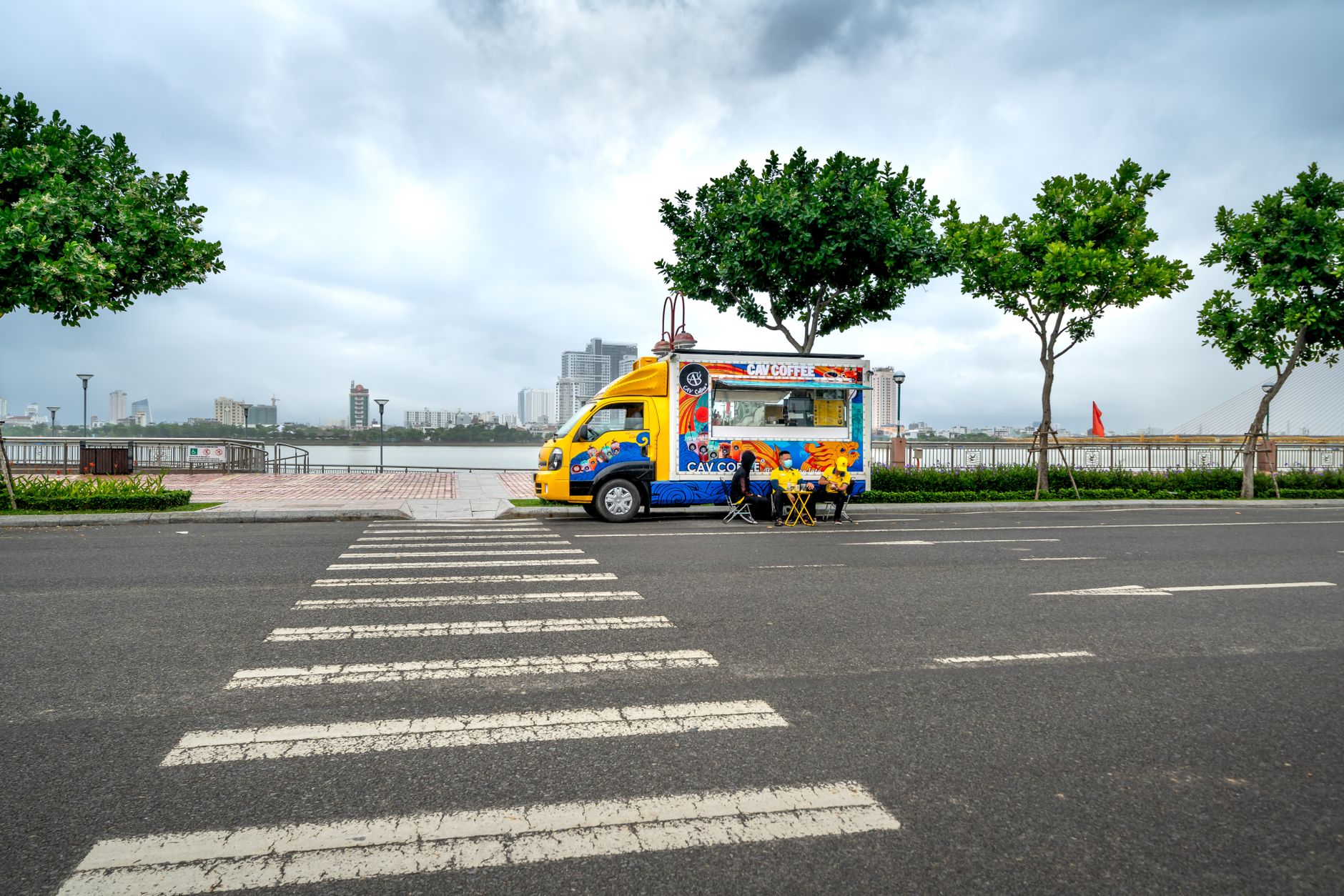
The centerpiece of Zilli's immediate Manchester expansion involves a high-end food truck designed to deliver fast-casual Italian fare directly to consumers. Rather than tying down capital in an expensive multi-year commercial lease immediately, the mobile model offers significant downside protection. Food trucks allow operators to test market demand, refine menu offerings, and build brand awareness across different neighborhoods without committing to fixed rent schedules.

Mobile food service unit sales have grown substantially across major United Kingdom cities over the last three years. By operating on wheels, Zilli can pivot toward high-footfall business districts during weekday lunch hours and transition to entertainment venues or private events on weekends. This agility minimizes fixed overhead expenses while maximizing operational revenue hours. The move demonstrates how even veteran chefs with decades of experience are adopting nimble, modern business structures to navigate current macroeconomic pressures.

OPERATIONAL ECONOMICS OF NORTHERN RELOCATION

The cost disparities between operating a restaurant in central London and setting up shop in Manchester are stark. Prime commercial real estate rents in London can easily exceed four times the average rates found in Manchester city center. Beyond lease costs, municipal rates, staff living wages, and local supply chain logistics offer significantly better profit margins in the North.

Restaurateurs in Manchester benefit from a densely populated urban core surrounded by thriving suburban commuter belts. This geographic layout creates consistent demand throughout the week, avoiding the post-pandemic quiet days that continue to plague London financial districts. By reallocating capital saved on real estate toward ingredient sourcing and targeted marketing, operators can maintain accessible menu pricing while protecting their bottom line.

THE EVOLVING MANCHESTER HOSPITALITY SCENE

Manchester has experienced an unprecedented influx of national and international culinary brands over the past decade. Local authorities have invested heavily in urban regeneration, creating dedicated food districts and flexible retail spaces that attract top-tier talent. According to coverage from the Manchester Evening News, the regional appetite for diverse dining options has never been higher, providing a receptive audience for Zilli's mobile venture.

This competitive landscape has forced incoming chefs to innovate rather than simply replicate traditional restaurant formats. The introduction of street food concepts by recognized culinary figures bridges the gap between premium dining and everyday affordability. Consumers get access to high-quality meals prepared by experienced chefs at a fraction of standard sit-down restaurant prices, driving volume sales that compensate for lower per-ticket totals.

While food trucks offer clear advantages in terms of reduced overhead, they present unique operational hurdles. Permitting rules, street trading licenses, and designated parking regulations in Manchester require careful navigation. Additionally, mobile kitchens must deal with severe space constraints, which limit prep capacity and require streamlined menus focused on high-speed, repeatable assembly.

Weather dependency remains another critical factor for mobile food businesses operating in Northern England. Rain and cold weather can drastically reduce foot traffic at outdoor trading locations. Successful operators must offset these seasonal slowdowns by securing corporate catering contracts, festival appearances, and strategic partnerships with indoor event venues. Zilli's brand equity will be a vital asset in locking in these lucrative secondary revenue streams.

For everyday diners in Manchester, Aldo Zilli's arrival signals an exciting expansion of accessible, high-quality street food options in the city. Consumers can expect to enjoy professional-grade Italian cuisine without the formal setting or steep prices associated with traditional fine-dining establishments. The launch provides a convenient, quick-service option for office workers and weekend visitors alike.

For the broader restaurant industry, Zilli's strategic shift serves as a case study in practical business adaptation. It highlights how top culinary talent is diversifying away from high-risk brick-and-mortar leases in London to pursue agile, lower-overhead models in high-growth regional markets. As economic pressures continue to test the hospitality industry, expect to see more established chefs launching mobile or hybrid concepts in thriving Northern cities.

Sources and methodology

Reported from the public datasets below.

All sources Foodie Pundit reports from

More from the Foodie Pundit Newsroom

Permalink