Bay Area Icon Bids Farewell After Seven Decades of Service
A seventy year old Bay Area diner has shuttered its doors permanently due to rising costs and commercial lease pressures.
By Foodie Pundit Newsroom - Published - Updated - Section: Closings Bankruptcies
Key points
- A historic Bay Area diner closed permanently after operating for seventy years in the same location.
- Rising commercial rents, ingredient inflation, and shifting consumer habits made continued operations unsustainable.
- Legacy diners face distinct economic pressures compared to modern fast casual chains and corporate groups.
- Supporting remaining independent establishments is essential for preserving historic neighborhood third places.
A historic diner in the San Francisco Bay Area has permanently shuttered its doors after seven decades of continuous operation. The establishment, which first opened its doors in the mid twentieth century, served generations of local residents, commuters, and travelers along a bustling municipal corridor. Its sudden closure marks the end of an era for the surrounding neighborhood and underscores the persistent financial headwinds facing long running independent food service businesses throughout California.
According to reporting by SFGATE, the classic diner reached the end of its lease agreement and faced insurmountable pressure from rising operating expenses. Over the past several years, the cost of commercial real estate, utility rates, and raw wholesale ingredients have escalated sharply across the region. For smaller food service businesses operating on thin margins, absorbing these compounding price increases has become an increasingly difficult economic puzzle.
The operational history of the diner reflects the broader evolution of northern California food culture over the last seventy years. When the diner initially opened, it offered standard American comfort foods, including griddled burgers, fried sides, milkshakes, and early morning breakfast plates. It catered to factory workers, local families, and suburban commuters seeking quick, affordable, and dependable meals served at a stainless steel counter or traditional vinyl booths.
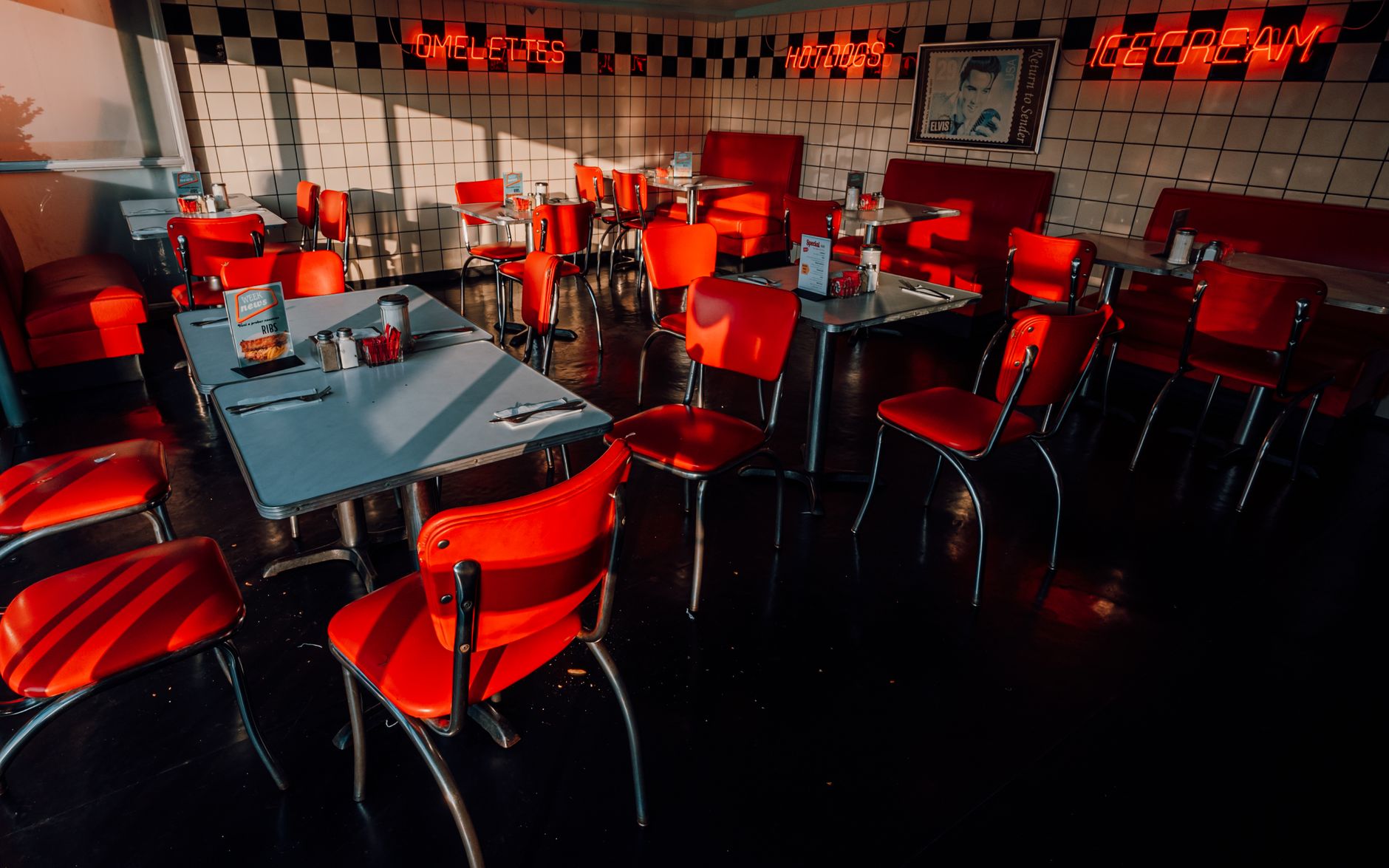
Over the decades, as the demographic profile and economic drivers of the Bay Area shifted, the diner maintained its core identity while adapting to changing guest preferences. It retained its vintage interior architecture, retro signage, and classic short order cooking methods, serving as a functional living museum of mid century American dining culture. This longevity transformed the establishment into a cherished community landmark, drawing both nostalgic regulars and curious culinary tourists.
OPERATIONAL HEADWINDS AND MARKET REALITIES
The decision to close highlighted the complex intersection of real estate market dynamics and independent restaurant economics. Commercial property values in the Bay Area have reached historic highs, creating substantial challenges for single unit restaurant operators when long term lease agreements expire. Landlords facing increased property taxes and higher maintenance overhead often seek market rate lease renewals that outpace the revenue potential of traditional short order diners.
Beyond real estate pressure, labor costs and wholesale supply chain shifts have strained the traditional diner business model. Diners rely on high customer volume and rapid table turnover to generate profit from low margin menu items like coffee, eggs, and sandwiches. As consumer dining habits shifted toward off premise delivery apps and fast casual options, foot traffic at traditional sit down counters steadily declined during non peak hours.
Systemic price inflation for core kitchen staples further eroded operational viability. The wholesale cost of poultry, dairy, pork, and fresh produce experienced significant volatility over recent budget cycles. While larger corporate chains can leverage massive purchasing power to negotiate discounted supply contracts, independent diners must absorb spot market prices or pass steep rate hikes directly to sensitive consumers.
The owner of the seventy year old facility ultimately concluded that continuing operations under renegotiated market terms was financially unsustainable. Rather than compromising food quality, cutting staff hours, or raising menu prices beyond what local customers could reasonably afford, the decision was made to wind down operations and bid farewell to the community.
INDUSTRY IMPLICATIONS FOR INDEPENDENT DINERS
The loss of this seventy year old landmark fits into a broader pattern of traditional food service closures across urban and suburban markets nationwide. Industry data indicates that classic diners, coffee shops, and drive ins are disappearing at an accelerated rate as property redevelopment takes precedence in fast growing metro areas. Many of these legacy sites are slated for demolition or conversion into high density residential housing and modern retail spaces.
The extinction of legacy diners leaves a distinct social and economic void in local communities. Historically, these establishments served as third places where residents from diverse socioeconomic backgrounds interacted over affordable meals. Unlike modern upscale eateries or self service fast casual concepts, classic diners fostered informal, long term relationships between staff members and neighborhood regulars across decades of daily service.
Furthermore, the loss of classic kitchen infrastructure represents a shift in culinary labor. Short order line cooking requires specialized speed, dexterity, and timing that differs significantly from modern assembly line prep stations found in contemporary fast casual environments. As traditional diners close, the institutional knowledge and training grounds for classic short order techniques become increasingly rare within the regional labor pool.
Looking ahead, hospitality industry analysts expect the consolidation of independent restaurants to continue unless commercial zoning policies and lease stabilization measures are introduced to protect heritage culinary businesses. Without targeted support or collective purchasing networks, legacy operators will continue to face elevated exit rates when confronted with major lease renewals or capital investment requirements.
For local diners and food enthusiasts, the closure serves as a stark reminder of the fragile economics supporting neighborhood dining spots. Patrons who cherish classic diners should actively support surviving legacy establishments in their regions, as routine daily visits provide the critical cash flow needed to offset rising operational expenses. Additionally, consumers should expect to pay higher menu prices at independent eateries as operators work to balance food inflation, fair labor compensation, and commercial rent demands.
As long standing culinary landmarks exit the market, consumers may also notice a continuing shift toward standardized fast casual chains and tech driven order pick up hubs. Supporting independent restaurants, participating in local preservation discussions, and engaging with municipal business development programs remain the most effective ways for communities to retain their unique culinary history and neighborhood character.
Sources and methodology
Reported from the public datasets below.
More from the Foodie Pundit Newsroom
- Culinary Sector Capitalizes on Umami Driven Dessert Trends
- Summer Dessert Trends Focus on Vibrant Flavors and Frozen Hybrids
- Inside Whole Foods Private Label Power Play
- Bay Area Diner Closes After Seventy Years Of Serving Classic Comfort Food
- Inside the Quiet Success of Whole Foods Private Label Brands and Prepared Meals