Bay Area Pho Favorite Expands Footprint to Peninsula Market
Regional noodle concepts expand footprint to capture suburban demand along the Peninsula.
By Foodie Pundit Newsroom - Published - Section: Restaurants
Key points
- Established urban restaurant groups are actively expanding into Peninsula submarkets to capture suburban dinner and hybrid work lunch traffic.
- Centralized kitchen prep and regional distribution networks allow casual dining concepts to achieve economies of scale during expansion.
- Suburban commercial developments often present lower upfront infrastructure costs compared to historic downtown real estate.
- Hybrid work patterns continue to sustain elevated weekday mid-day spending in residential and suburban retail corridors.
The San Francisco Bay Area restaurant scene is experiencing a notable shift in how successful local concepts approach regional growth. Restaurant groups that established their reputations in dense urban cores or specific submarkets are increasingly looking toward the Peninsula for their next phase of expansion. This migration pattern reflects changing dining habits, shift in workplace locations, and favorable commercial real estate conditions outside traditional downtown districts.
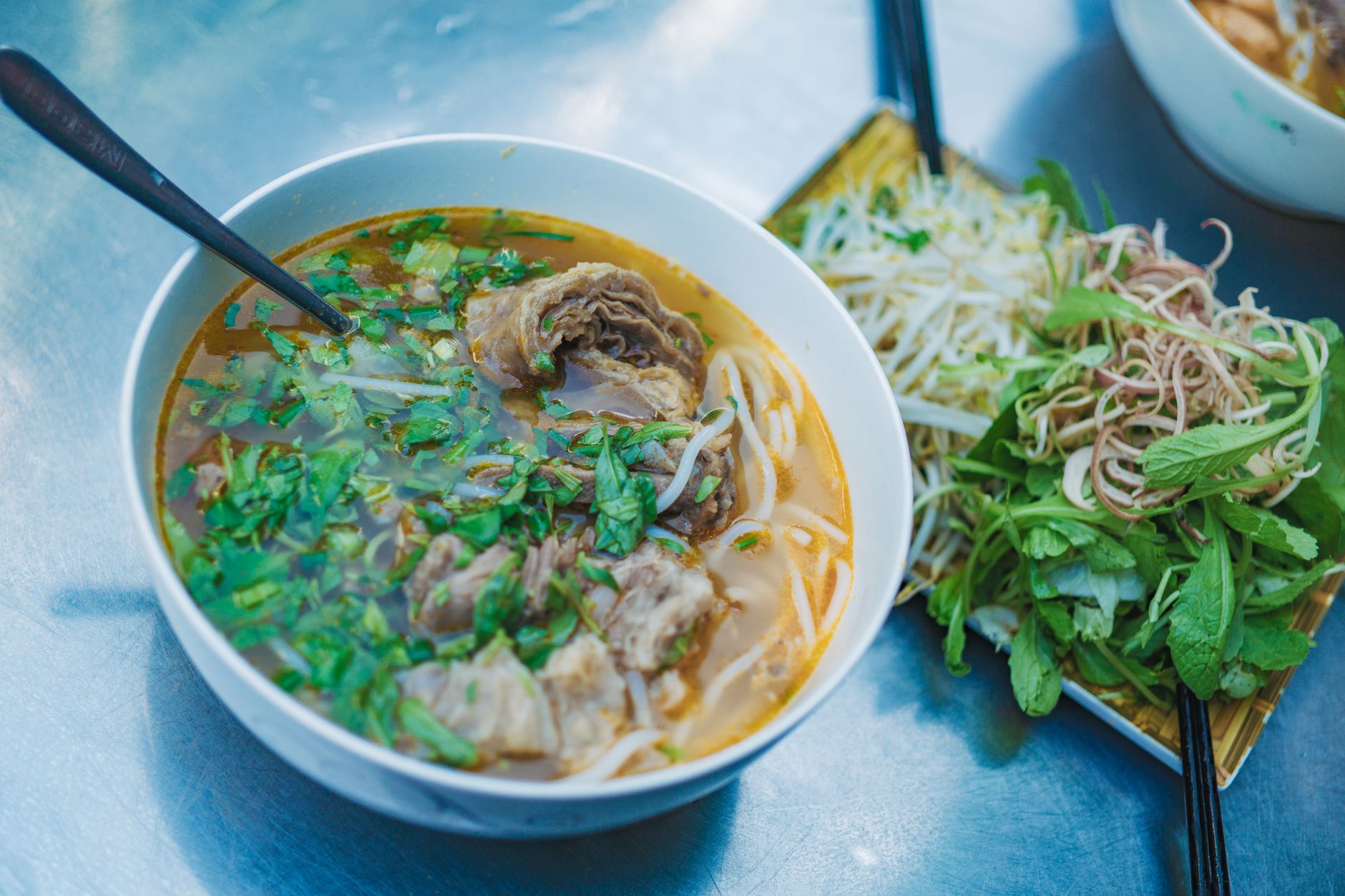
A premier example of this trend involves popular Vietnamese dining establishments leveraging their brand equity to capture suburban market share. As reported by SFGate, beloved noodle shops and casual eateries are securing prime retail footprints in Peninsula cities to meet localized demand. Rather than forcing loyal patrons to commute into central San Francisco or San Jose for signature dishes, operators are bringing high-volume concepts directly to residential corridors.
commercial real estate advisors note that the Peninsula offers a unique mix of high median household income, dense office parks, and strong family demographics. These factors create a resilient consumer base that supports both weekday lunch traffic and weekend dinner service. For casual dining brands specializing in quick-turnover items like pho and banh mi, this dual revenue stream provides critical financial stability in an otherwise volatile hospitality market.
Operating a successful Vietnamese restaurant requires balancing intense labor requirements with low margin menu items. Broth production often involves hours of simmering, specialized equipment, and precise ingredient sourcing that cannot be easily scaled without capital investment. When an established brand decides to open a secondary or tertiary location, it relies heavily on economies of scale achieved through centralized prep kitchens or standardized operating procedures.
Expanding onto the Peninsula allows operators to optimize their supply chain logistics across the region. Distributors supplying rice noodles, fresh herbs, specialty cuts of beef, and imported condiments can service multiple nodes along the Highway 101 and Interstate 280 corridors efficiently. By spreading fixed overhead expenses across additional sales channels, restaurant groups can better absorb rising wholesale ingredient costs without pricing out their core customer base.
Furthermore, lease terms in Peninsula commercial centers can sometimes offer more flexible tenant improvement allowances compared to historic urban buildings. Older retail structures in downtown San Francisco often require extensive plumbing and electrical overhauls to support commercial kitchen hoods and grease traps. Modern suburban developments or repurposed retail spaces along the Peninsula frequently present lower upfront capital expenditure risks for expanding restaurateurs.
While the Peninsula provides attractive demographic advantages, it is not immune to the severe cost pressures facing California hospitality businesses. Operators expanding into San Mateo and Santa Clara counties must contend with competitive labor markets, high commercial rents, and local compliance standards. Retaining skilled kitchen staff who understand traditional culinary techniques remains a primary operational hurdle across the entire Bay Area.
To maintain profitability, modern quick-casual concepts are adopting streamlined service models that reduce front-of-house labor expenses. Modern point-of-sale systems, digital ordering kiosks, and integrated mobile app platforms permit high transaction volumes with leaner floor staffing. By minimizing operational friction at the register, managers can allocate more resources toward kitchen labor and premium ingredient sourcing.
The pricing strategy for expanded suburban locations also requires careful calibration. Peninsula diners expect competitive pricing for casual daily meals while maintaining high expectations for food quality and presentation. Operators must design menus that protect gross margins while maintaining the value proposition that built their brand loyalty in their original flagship locations.
The ongoing evolution of hybrid work arrangements has permanently altered daytime dining patterns across Northern California. With many corporate employees working from home several days a week, suburban commercial districts have seen a sustained surge in weekday lunch demand. Neighborhood shopping centers that once relied heavily on evening and weekend foot traffic now enjoy steady mid-day customer flow.
This structural economic shift directly benefits fast-casual and casual-dining operators offering comforting, fast-prep menu items. Warm broths, customizable rice plates, and portable sandwiches fit seamlessly into the routines of remote workers and local professionals seeking quick dining options. Restaurant operators who establish footprints near suburban transit hubs or major residential clusters are positioned to capture this persistent consumer demand.
Moreover, the cultural landscape of the Peninsula has evolved significantly over the past decade, creating a highly sophisticated dining public. Consumers actively seek out authentic regional cuisines and established heritage brands over generic national chains. The arrival of acclaimed city spots into suburban markets is routinely met with enthusiasm, reducing the initial marketing spend required to establish brand awareness in a new territory.
For local diners, the expansion of top-tier urban dining concepts into the Peninsula means greater convenience and reduced travel time for specialized culinary offerings. Consumers gain access to high-quality regional favorites without navigating central city parking or long transit commutes. This increased competition within suburban corridors also encourages surrounding eateries to elevate their service and food standards.
From an industry perspective, this expansion trend illustrates how successful independent concepts can achieve sustainable growth by following demographic shifts. As retail footprints evolve across the Bay Area, consumers can expect to see more of their favorite regional dining institutions establishing outposts closer to residential neighborhoods. Supporting these local expansion efforts helps strengthen regional food networks while maintaining vibrant commercial districts throughout the Peninsula.
More from the Foodie Pundit Newsroom
- Fast Food Restructuring Wave Triggers Closure Of Legacy Drive Thru Locations
- From Butter Boards to the Next Viral Food Craze How Digital Aesthetics Shape Industry Trends
- Inside the Economic Engine Driving New York City's Most Demanded Tables
- Inside the High-Demand Economics Driving New York City Top Dining Spots
- TikTok Lobster Tan Trend Sparks Urgent Warnings From Dermatologists