Bay Area Vietnamese Favorite Expands to Peninsula as Suburban Dining Demand Soars
A beloved regional Vietnamese broth concept expands its footprint to meet surging suburban demand along the Silicon Valley transit corridor.
By Foodie Pundit Newsroom - Published - Updated - Section: Restaurants
Key points
- Popular Bay Area Vietnamese restaurant brands are actively expanding into suburban Peninsula locations.
- Broth-focused dining concepts rely on precise kitchen infrastructure and high volume to offset rising real estate costs.
- Suburban demographic shifts and hybrid work patterns continue to fuel demand for high-quality local dining.
- Established brand recognition helps multi-unit operators mitigate marketing costs and initial opening risks.
The Northern California dining landscape is experiencing a significant shift as popular urban eateries seek new footprints in adjacent suburban markets. Drivers of this trend include shifting post-pandemic work patterns, rising commercial rents in central city cores, and a growing consumer demand for authentic regional cuisines closer to residential neighborhoods. Among the most noticeable movements in the San Francisco Bay Area is the expansion of acclaimed Vietnamese concept operators into the Peninsula corridor.
Local dining reports, including recent coverage by SFGate, highlight a growing appetite for specialized Vietnamese concepts outside traditional metropolitan hubs like San Francisco and San Jose. As commuter habits evolve, suburban diners increasingly demand access to high-end and fast-casual soup shops without traveling long distances. This shift has prompted seasoned restaurateurs to evaluate commercial real estate opportunities in towns along the Caltrain route.
Opening a modern noodle shop requires substantial capital expenditure, particularly when retrofitting existing spaces to support commercial stock production. Traditional broths demand continuous, long-hour simmering, necessitating heavy-duty ventilation systems, high-capacity gas lines, and extensive refrigeration capacity. Operators must weigh these high infrastructure costs against the revenue potential of high-volume soup sales in a new suburban demographic.
Despite these upfront expenses, the unit economics of a well-run noodle restaurant can be highly favorable. The core components of traditional bone broth soup, including rice noodles, cuts of beef or chicken, fresh herbs, and aromatic spices, offer manageable food cost margins when managed efficiently. Success relies heavily on inventory throughput, table turnover rates, and robust secondary revenue streams such as takeout and delivery orders.
Peninsula commercial real estate offers unique advantages and challenges for expanding food businesses. While foot traffic pattern models differ significantly from downtown business districts, suburban strip centers and downtown suburban corridors often provide steady dinner and weekend crowds. Furthermore, suburban leases frequently offer longer terms and more predictable parking access for patrons, which helps build a stable local customer base.
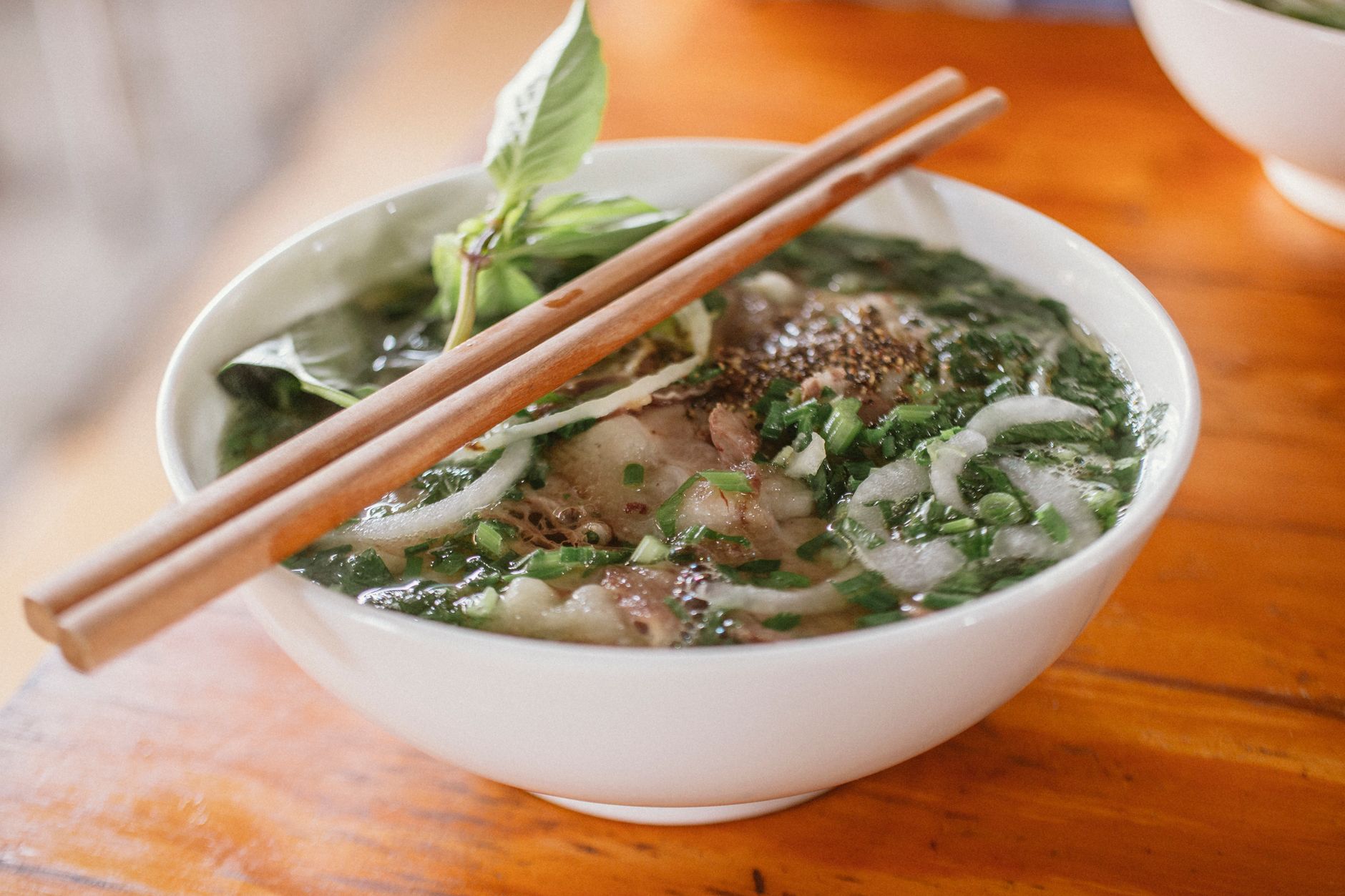
The demand for high-quality Vietnamese cuisine along the Peninsula reflects broader demographic changes across Silicon Valley and its surrounding communities. Tech sector workers and families living in suburban neighborhoods have developed sophisticated palates, driving demand for regional specialties such as regional styles of beef broth, spicy pork noodle soups, and crisp rice flour crepes. Consumers in these markets actively seek authentic culinary techniques over sanitized or generalized menus.
This consumer preference rewards established brands that have built strong reputations in urban centers. When a recognized brand announces a new location, it carries built-in brand equity that significantly reduces initial marketing expenses. Word-of-mouth enthusiasm and local media coverage create immediate baseline traffic during opening weeks, mitigating the ramp-up risk that typically plagues unproven restaurant concepts.
Additionally, the expansion of fast-casual and full-service soup venues aligns with wider consumer trends favoring comfort food that caters to convenience. Broth-based meals are widely perceived as both wholesome and satisfying, positioning them well against standard fast-food options. Restaurant groups that master the operational balance of high-speed kitchen execution and authentic flavor profiles are well-positioned to capture market share in competitive suburban nodes.
NAVIGATING SUPPLY CHAIN AND LABOR CHALLENGES
Expanding operations across multiple locations introduces logistical complexities that require careful management. Securing consistent, high-grade beef bones, fresh rice noodles, and specialized herbs like saw-leaf herb and thai basil requires robust vendor relationships. Larger buying scale can yield volume discounts, but multi-unit operators must maintain rigorous quality control standards across all kitchens to protect their brand integrity.
Labor management represents another critical operational pillar for expanding concepts. The specialized skills required to prepare consistent broths and manage high-volume line stations mean that retention of kitchen staff is vital. Expanding into the Peninsula allows restaurant groups to tap into a broader regional labor pool, though competition for experienced line cooks and front-of-house staff remains tight throughout Northern California.
To combat wage pressure and labor shortages, many operators invest in kitchen automation and streamlined point-of-sale integration. Modern ordering systems optimize takeout logistics, ensuring that hot broth and fresh garnishes are packed separately to preserve dish quality during transport. These technological investments help maintain high throughput without sacrificing customer satisfaction or inflating operational overhead.
For local diners, the arrival of established urban noodle brands on the Peninsula means greater access to top-tier dining without the burden of long city commutes. Increased competition among regional concepts generally drives higher quality, better service, and more diverse menu options across suburban downtowns. Consumers can expect expanded lunch and dinner choices in their immediate neighborhoods as more city operators replicate this model.
From an industry perspective, this expansion trend signals continued confidence in regional food service growth despite broader economic headwinds. Commercial landlords in suburban corridors are increasingly prioritizing proven food and beverage operators to anchor retail centers. As successful urban brands continue to land on the Peninsula, the boundary between city-center dining quality and suburban convenience will continue to dissolve.
More from the Foodie Pundit Newsroom
- Commercial Snack Category Prepares for Record Expansion Driven by Shifting Consumer Habits
- Corporate Restructuring Sweeps Casual Dining as Multi-Unit Operators Face Deepening Financial Distress
- Washington's egg rules just made your brunch pricier
- Persistent Supply Chain and Labor Costs Keep Retail Grocery Prices Stuck at High Baseline
- The USDA's 2026 Menu Has No Actual Food In It