Starbucks' viral drinks are messing up baristas' day
Intricate menu customizations and viral beverage trends are pushing quick-service coffee staff to their limits as throughput metrics collide with complex drink
By Foodie Pundit Newsroom - Published - Updated - Section: Coffee Cafes
Key points
- Complex customized beverages disrupt standard cafe labor models and drive-thru timing targets.
- Mobile ordering platforms remove friction for consumers, leading to higher rates of labor-intensive modifications.
- Legacy store layouts often lack the specialized equipment stations required for modern cold-beverage trends.
- High employee turnover risks increasing as fast-paced execution demands create front-line worker burnout.
The coffee industry has entered an era where beverage design is increasingly driven by social media aesthetics rather than operational speed. As custom orders, complex cold foams, and multi-layered syrup builds become standard consumer expectations, front-line cafe workers face mounting pressures. A recent report by Mashed highlights how the introduction of intricate, highly customized seasonal drinks at major chains like Starbucks is exacerbating labor tensions behind the counter.
While menu innovation has long fueled sales growth for national beverage brands, the modern customization boom has shifted the burden of execution onto baristas. Complex recipes require precise sequencing, multiple tools, and significant assembly time. When these labor-intensive beverages go viral online, stores experience sudden surges in demand without corresponding increases in labor allocations, creating bottle-necks during peak morning rushes.
Every additional step in a drink recipe multiplies the potential for operational delays. Standard espresso beverages involve a straightforward routine of grinding beans, pulling shots, steaming milk, and combining the elements. In contrast, modern viral concoctions often call for specialized cold foams, blended topping inclusions, tailored syrup ratios, and intricate syrup drizzles along the interior walls of the cup.
According to reporting from Mashed, baristas report that complex builds disrupt the traditional queue management system. In a high-volume drive-thru window, speed of service is tracked down to the second. When a single order includes several labor-heavy custom beverages, standard throughput targets become virtually impossible to hit. This dynamic creates friction between store management focused on speed metrics and store workers attempting to maintain product quality.
Restaurant industry operators routinely evaluate menu items using a framework known as menu engineering, which balances item profitability against labor requirements. Historically, high-margin beverages like iced coffees and teas subsidized labor-heavy food prep. However, as the beverage menu itself grows more labor-intensive, the traditional cost structure of quick-service coffee begins to break down.
Baristas facing continuous rushes of customized drinks report higher physical exhaustion and elevated stress levels. Unlike traditional kitchen environments where prep work is handled out of sight before service begins, retail coffee staff perform complex culinary assembly in full view of waiting customers. When high order volume intersects with slow preparation times, customer frustration frequently falls directly on the front-line workers.
DIGITAL ORDERING AND THE CUSTOMIZATION SURGE
The expansion of mobile order and pay platforms has fundamentally reshaped how consumers interact with coffee menus. In-app customization options allow guests to add endless modifications with a simple tap, removing the social friction that once discouraged overly complicated orders at the physical register. As a result, standard core menu items are routinely altered beyond their original design.
Mobile ordering also obscures the real-time operational state of the cafe from the consumer. A customer placing an order on a smartphone cannot see that a store is currently backed up with forty complex builds. Expecting their drink to be ready upon arrival, app users often arrive to find delayed orders, compounding overall store tension and increasing the burden on floor staff tasked with managing customer expectations.
EQUIPMENT CAPACITY AND STORE LAYOUT CONSTRAINTS
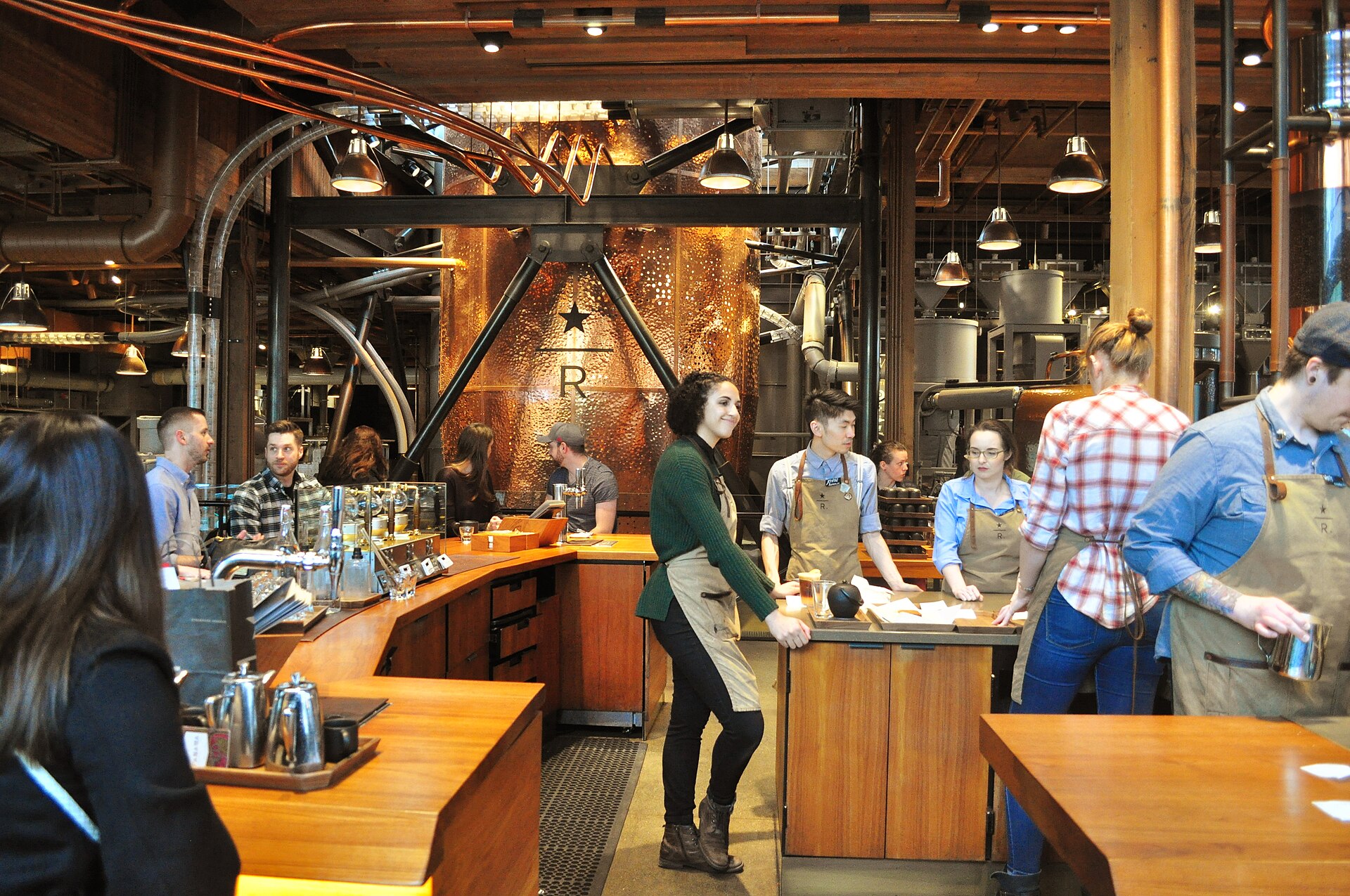
Many coffee shops were physically designed during an era when hot drip coffee and basic espresso drinks comprised the vast majority of sales. Modern beverage trends favor cold drinks, custom ice levels, and specialized blended foams that require distinct equipment stations. Fitting new blenders, cold foam pitchers, and specialized syrup dispensers into legacy floor plans creates physical bottlenecks for staff.
When multiple baristas must share a single blender or access the same cold foam station, operational pacing degrades rapidly. Store layouts that require workers to cross paths repeatedly during peak hours contribute to physical fatigue and increase the likelihood of spills or mistakes. Retrofitting thousands of retail locations with optimized cold-beverage stations requires massive capital expenditure, meaning physical friction will persist across older locations for years to come.
BALANCING INNOVATION WITH WORKER RETENTION
The quick-service restaurant industry continues to navigate historically high employee turnover rates. High training costs mean that losing experienced baristas directly impacts store performance and product consistency. When menu complexity leads to employee burnout, the resulting staff turnover creates a cycle where inexperienced teams must learn intricate drink builds under extreme pressure, further slowing down service.
Chain executives face a delicate balancing act. Seasonal menu drops and viral beverage campaigns drive essential foot traffic and sustain store sales growth. However, if menu innovation outpaces store labor models and operational capacity, the resulting labor dissatisfaction can spark unionization efforts, higher turnover, and diminished customer service standards.
For everyday consumers, understanding the operational friction behind complex drink builds helps explain unexpected delays during peak morning hours. Choosing simpler beverage options during heavy rushes can lead to faster service and more consistent product quality. Supporting corporate efforts to simplify menus or optimize store layouts ultimately leads to a more sustainable working environment for staff and a better experience for guests.
Sources and methodology
Reported from the public datasets below.
More from the Foodie Pundit Newsroom
- Winter garden food hall gets a med boost as tastes shift
- Zero Proof Market Soars Toward $1.7 Billion Valuation as Restaurants Redesign Bar Programs
- UK Supermarket Prices Set to Rise This Summer as Supply Pressures Mount
- The Pond Scum That Could Save Your Chicken Sandwich
- Zero proof boom hits $1.7 billion as bars chase sober cash