Behind the Cup: The Complex Economics of Specialty Coffee Supply Chains
Tracing the rigorous economic and operational journey of specialty coffee from high-altitude farms to modern retail cafes.
By Foodie Pundit Newsroom - Published - Updated - Section: Coffee Cafes
Key points
- Specialty coffee status requires a minimum score of 80 points on a 100-point cupping scale, insulating pricing from commodity market swings.
- Labor-intensive hand-picking and specific processing methods at origin determine the initial economic value of the bean.
- Precise thermal roasting and strict retail extraction standards complete a highly controlled, global supply chain.
The path that specialty coffee takes from remote mountain farms to the modern espresso bar involves a highly complex global supply chain. While consumers often focus on the retail price of their morning cup, the economic and operational journey behind high-grade Arabica beans reveals a delicate balance of agricultural labor, precise processing techniques, international logistics, and specialized roasting. Understanding this multi-step pipeline sheds light on why specialty coffee commands a growing premium in today's hospitality marketplace.
At the origin level, the creation of specialty coffee begins in high-altitude equatorial regions where coffee trees produce fruit known as cherries. Farmers must meticulously hand-pick only the fully ripened red cherries, leaving green or overripe fruit on the branch. This labor-intensive harvesting phase directly dictates the potential quality score assigned to the batch later in the supply chain. Unlike commercial-grade coffee harvested in bulk via mechanical strip-picking, specialty coffee relies entirely on skilled manual labor to preserve flavor integrity.
Once harvested, the cherries must undergo immediate processing to extract the seeds, commonly known as coffee beans. Producers choose between several methods, primarily the washed, natural, or honey processing techniques. In the washed method, fruit pulp is mechanically removed before the beans ferment in water tanks to dissolve remaining mucilage. Natural processing, conversely, involves drying the whole cherry under the sun on elevated beds, allowing the fruit sugars to soak directly into the seed over several weeks.
Each processing choice carries distinct financial and environmental implications for agricultural operations. Washed processing requires significant access to fresh water and dedicated infrastructure, but it produces clean, bright flavor profiles favored by traditional specialty markets. Natural processing conserves water resources, making it popular in drought-prone regions, yet it requires constant manual raking to prevent mold and over-fermentation. Milling facilities then remove the parchment layer, sorting the green coffee beans by size, density, and physical defects before packaging them for export.
The commercial voyage of green coffee beans involves complex international trade frameworks and specialized shipping protocols. Green coffee is packed into moisture-barrier bags inside traditional jute sacks, which are then loaded into shipping containers bound for major import hubs. Because green coffee is susceptible to humidity, temperature fluctuations, and ambient odors, freight management is critical to preserving the crop's financial value during maritime transport.
Importers and specialty green buyers evaluate these incoming shipments through a standardized sensory evaluation process called cupping. Licensed professionals rate the coffee on a hundred-point scale based on fragrance, aroma, flavor, acidity, body, and balance. To qualify for the specialty designation, a coffee lot must achieve a score of 80 points or higher. MENAFN reporting highlights that these scores directly dictate the contract premiums paid to exporters, decoupling specialty coffee pricing from the volatile commodity C-market prices traded on public exchanges.
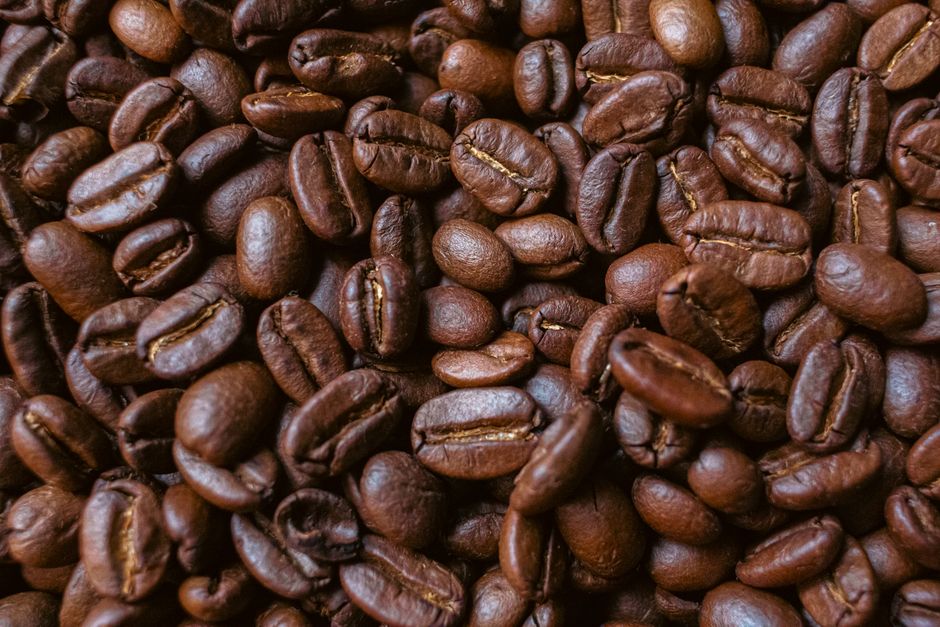
Upon arriving at regional roasting facilities, green beans undergo chemical transformation through controlled thermal application. Roasters utilize gas-fired drum roasters or hot-air fluid bed systems to heat the beans, triggering the Maillard reaction and caramelization of sugars. Operators carefully track heat application curves to highlight specific origin characteristics, balancing bright organic acids with rich developed compounds.
Roasting is an exact science where small variances in airflow, drum speed, or drop temperature can alter the final profile. Light to medium roast profiles are generally preferred for specialty beans, as darker roasting can obscure the unique terroir of high-altitude origins. Once roasted, the beans undergo rapid cooling and degas carbon dioxide for several days before being packaged in valve-sealed bags designed to prevent oxidation while allowing gas escape.
The final transformation occurs at the retail level, where baristas calibrate extraction equipment to prepare individual beverages. Precision grinding, water chemistry analysis, and strict brew ratio management ensure that the soluble compounds inside the bean are properly extracted into liquid form. Commercial espresso machines operate under intense pressure and temperature stability, allowing operators to produce concentrated shots or textured milk drinks with consistent quality control.
The economic model of specialty coffee reflects the cumulative costs of every party involved in this extensive chain. From fair wages paid to agricultural pickers and investments in dry-mill machinery, to ocean freight insurance, energy-intensive roasting, and urban retail overhead, the final consumer price represents a tightly orchestrated global venture. As consumer demand for traceable, high-quality coffee continues to expand, understanding this supply chain helps explain the rising operational costs faced by independent cafes and international chains alike.
For cafe owners, operators, and hospitality leaders, the intricate journey of specialty coffee underscores why menu pricing for premium beverages continues to rise. Investments made at the farm, shipping, and roasting levels directly impact green coffee acquisition costs. Communicating this story to consumers helps justify higher price points at the register, turning a daily caffeinated beverage into a valued artisanal product.
Understanding supply chain vulnerabilities also enables operators to make better purchasing decisions. Fluctuations in climate, shipping delays, and labor availability in origin countries directly influence coffee availability and quality. By establishing strong relationships with transparent importers and local roasters, food service businesses can secure consistent inventory, maintain beverage quality, and protect profit margins in an increasingly competitive market.
Sources and methodology
Reported from the public datasets below.
More from the Foodie Pundit Newsroom
- Economic Realities Drive New Wave of Boulder Restaurant Openings
- Next-Generation Snack Packaging Reshapes Retail Display Counters
- Your favorite diner is dying, thanks to greed and bad habits
- Ravi Kapur Opens Good Good Culture Club to Strong Market Demand in San Francisco
- Global Wine Slump Hits Restaurant Margins and Vineyards as Consumer Demand Drops