Beloved Bay Area Pho Institution Announces Major Peninsula Expansion
A celebrated San Francisco Bay Area Vietnamese restaurant is expanding its footprint to the Peninsula to meet growing suburban demand.
By Foodie Pundit Newsroom - Published - Section: Restaurants
Key points
- A top rated Bay Area Vietnamese eatery is opening a new location on the San Francisco Peninsula.
- The expansion reflects a broader shift of urban food concepts moving into suburban commercial markets.
- Suburban diners gain access to authentic regional cuisine without traveling to urban centers.
- High demand for fast casual comfort food continues to drive restaurant industry growth in Northern California.
BAY AREA VIETNAMESE FAVORITE EXPANDS TO PENINSULA
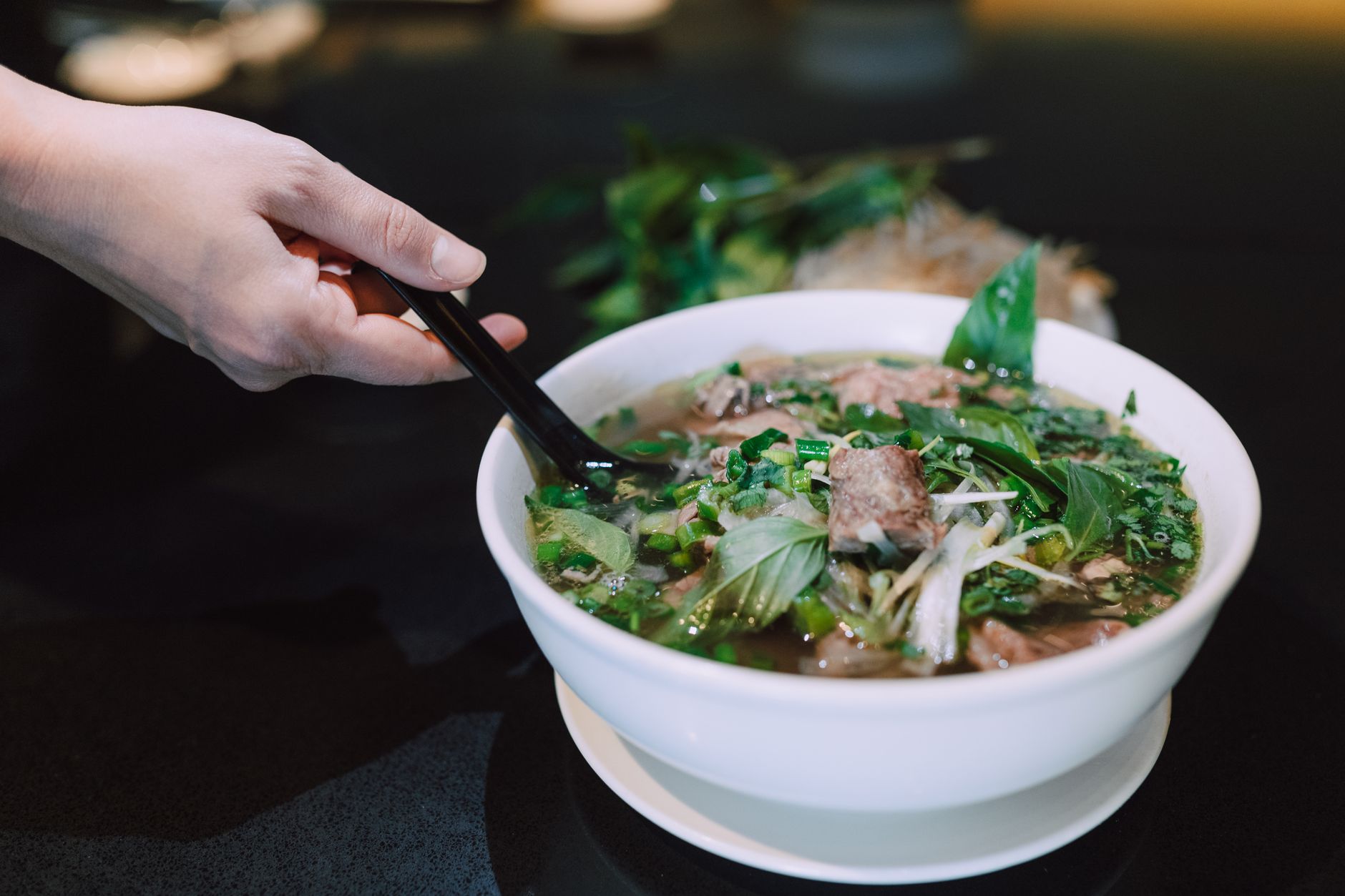
Diners along the San Francisco Peninsula are preparing for a major addition to the regional dining scene as one of the Bay Area's most praised Vietnamese noodle shops expands its footprint. The expansion comes at a pivotal moment for suburban retail centers across Northern California, where high quality fast casual concepts are filling vacancies left by traditional full service restaurants and retail storefronts. As reported by SFGate, the acclaimed eatery is finalizing plans to bring its signature bowls of pho and traditional street food offerings to a new suburban market that has long experienced a shortage of authentic Vietnamese options.
For years, local food enthusiasts made long pilgrimages across the region to sample the restaurant's deeply aromatic broths and freshly made rice noodles. The brand built a cult following by combining traditional cooking techniques with consistent execution, earning a reputation as a benchmark for Vietnamese comfort food in Northern California. By expanding into the Peninsula, the business is tapping into a dense demographic of tech professionals, suburban families, and long time residents who are increasingly seeking high quality, convenient dining options outside of major metropolitan cores.
NAVIGATING COMMERCIAL REAL ESTATE DEMANDS
The move to the Peninsula reflects a broader trend in restaurant real estate strategy across the greater San Francisco region. High urban commercial rents, shifting commuter patterns, and the rise of flexible work schedules have prompted top performing restaurant operators to look beyond primary urban centers. Suburban retail corridors offer several distinct advantages, including ample parking, predictable foot traffic from nearby corporate campuses, and access to residential neighborhoods where evening and weekend dining demand remains consistently strong.
Securing prime real estate on the Peninsula is no simple task for independent restaurant groups. Commercial lease rates in the area remain among the highest in the country, driven by intense competition for well located spaces with existing kitchen infrastructure. According to reporting by SFGate, successful operators must navigate lengthy municipal permitting processes, zoning regulations, and extensive buildout timelines before serving their first customers. Restaurant industry analysts note that converting existing retail space into a high volume noodle shop requires substantial capital investment, particularly for heavy duty ventilation systems and high capacity stockpot burners.
THE ECONOMICS OF SPECIALIZED COMFORT FOOD
Pho and traditional Vietnamese cuisine represent a particularly resilient segment of the broader restaurant market. Unlike trendy concept eateries that rely on novelty, noodle shops benefit from high repeat visitation and strong off-premises dining sales. The core menu items rely on relatively modest ingredient costs, such as beef bones, aromatic spices, and rice noodles, though these savings are often offset by the labor intensive process required to simulate traditional long simmering broth methods.
To maintain profitability in a high cost environment like the Peninsula, operators must achieve exceptionally high customer volume and efficient table turnover. The fast casual hybrid model employed by many modern pho destinations helps optimize labor costs by streamlining ordering procedures without sacrificing product quality. Diners receive premium, slow cooked food at speed, allowing restaurants to handle intense lunch and dinner rushes that generate the revenues needed to cover steep Bay Area overhead costs.
The arrival of this beloved establishment highlights a fundamental shift in suburban food culture across the Western United States. Suburban diners increasingly expect access to authentic regional and international cuisines that were once confined to historic urban enclaves. Strip malls and suburban shopping plazas are transforming into vibrant culinary hubs, replacing standard chain restaurants with celebrated independent brands that bring distinct flavor profiles and cultural heritage to new neighborhoods.
Local economic developers view the addition of destination dining spots as a catalyst for broader commercial health. A high profile restaurant launch creates a halo effect for neighboring retailers, driving foot traffic and elevating the profile of entire shopping centers. Peninsula residents who previously traveled significant distances for top tier Vietnamese food will soon have direct access in their backyards, signaling a continuation of the decentralization of Northern California's premier food scene.
If you live or work on the San Francisco Peninsula, your local dining options are about to become significantly more varied and accessible. The arrival of a renowned regional favorite means you will no longer need to brave heavy freeway traffic or navigate difficult urban parking just to secure a world class bowl of pho. You can expect shorter travel times for high quality weekday lunches and weekend family dinners as top tier city concepts continue establishing roots closer to suburban neighborhoods.
From an economic perspective, supporting acclaimed independent operators in suburban centers helps keep local sales tax dollars working within your immediate community. It also encourages commercial property owners to recruit higher quality, unique culinary concepts rather than relying exclusively on national fast food chains. As opening day approaches, diners should anticipate initial long lines and busy dining rooms, but the long term result will be a richer, more diverse local food landscape right in your neighborhood.
More from the Foodie Pundit Newsroom
- Bay Area Vietnamese Favorite Secures New Peninsula Location Amid Regional Growth
- Bay Area Pho Favorite Expands Footprint With New Peninsula Location
- Acclaimed Bay Area Pho Destination Expands Footprint to the Peninsula
- Beyond The Butter Board: Creators Forecast The Next Wave Of Viral Dining Trends
- The creator behind the butter board craze has a formula for what you will eat next