Beyond the Brownie: How Pastry Programs Are Modernizing Legacy Sweets for Higher Margins
Commercial bakeries and restaurant groups are overhauling standard pastry menus with visual upgrades and complex flavor profiles to boost profit margins.
By Foodie Pundit Newsroom - Published - Updated - Section: Desserts Snacks
Key points
- Traditional rustic sweets like plain brownies and basic sheet cakes are losing market share to visually complex, highly styled desserts.
- Pastry programs are leveraging natural colors, global flavor infusions, and dynamic textural contrasts to justify higher menu prices.
- Operators must carefully manage labor costs and component prep to execute intricate dessert designs without slowing down service lines.
- Mid-market and fast-casual concepts are adopting limited-time gourmet dessert offers to drive traffic and increase average check sizes.
The commercial baking sector is undergoing a major shift in product strategy as consumer demand moves away from traditional, rustic treats toward visual innovation. Industry analysis from Bake Magazine indicates that operators are restructuring their pastry programs to capture higher margins through elevated aesthetic design and complex flavor profiles. Traditional baked goods like basic fudge brownies and plain sheet cakes are seeing flat or declining sales velocity across major metropolitan markets. In their place, a new category of premium, highly styled desserts is generating record revenue for independent bakeries and multi-unit restaurant groups alike.
This shift is driven primarily by changing consumer spending habits in an inflationary dining environment. When diners choose to spend discretionary income on dessert, they increasingly expect an experience that feels special, complex, and visually striking. Plain offerings no longer justify the higher menu price points that operators must charge to cover rising labor and ingredient costs. As a result, commercial kitchens are modernizing classic recipes by adding unexpected textures, premium toppings, and vibrant natural colors that demand attention.
For decades, standard baked goods served as low-cost high-margin staples for bakery counters and dessert menus. Items like classic chocolate chip cookies, traditional pound cakes, and basic iced brownies required minimal labor and low-cost commodity ingredients. Today, however, these traditional formulations are failing to drive traffic or social media engagement. Consumers can easily replicate basic recipes at home or purchase low-cost packaged equivalents at local grocery stores, reducing their willingness to pay premium prices at retail bakeries.
The decline of traditional baked goods does not mean consumers are abandoning sweets, but rather that their expectations have expanded. Simple chocolate and vanilla profiles are losing market share to dynamic combinations that incorporate global spices, acid, and contrasting temperatures. Operators who rely solely on legacy recipes report margin compression, as they are unable to raise prices on basic items without experiencing drop-offs in transaction volume. Modernizing these standard offerings has become an operational necessity for businesses seeking to protect their profit margins.
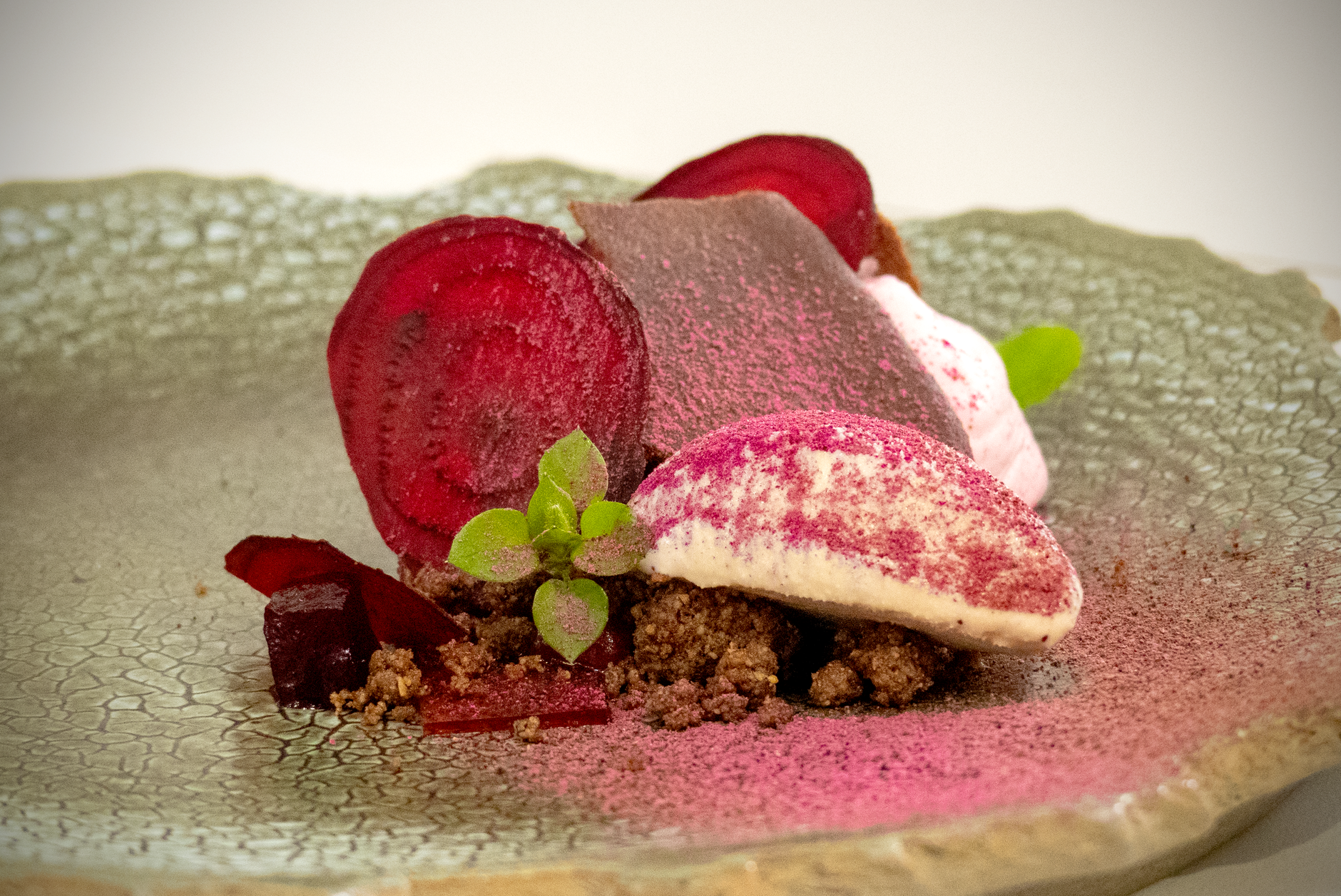
To revive slow-moving menu categories, pastry chefs are implementing what the industry calls a dessert glow up. This strategy involves taking a familiar base pastry and reimagining its visual presentation, structural architecture, and flavor complexity. A standard brownie, for instance, is transformed into a multi-layered artifact featuring salted caramel ganache, brittle shards, and infused botanical whips. The underlying baked element provides comfort and familiarity, while the elevated toppings create a sense of novelty and luxury.
Visual appeal plays a central role in this process, as digital sharing on visual platforms continues to drive foot traffic. Bright colors derived from natural ingredients like freeze-dried dragon fruit, matcha, and ube are replacing synthetic food dyes. Textural contrast is another critical component of the modern dessert refresh, with chefs combining smooth mousses with ultra-crunchy tuiles or puffed grains. By stacking distinct textures and vibrant elements, kitchens create a multidimensional sensory experience that justifies a significantly higher retail price point.
While elevated desserts allow operators to charge premium prices, they also introduce operational complexities that require careful management. Layered and highly decorated items demand higher labor inputs, specialized pastry skills, and longer ticket execution times. Kitchens must balance the visual complexity of a dish with the practical realities of high-volume service. To maintain throughput, many bakeries are utilizing prep-heavy assembly lines where intricate components are produced in batches during off-peak hours and assembled quickly during service.
Ingredient sourcing is another area where costs can rapidly escalate if not monitored closely. Specialty items like single-origin cocoa, edible gold leaf, and rare fruit purees enhance the perceive value of a dessert, but they can easily erode profitability if portion sizes are not standardized. Successful operators rely on precise yield management and cross-utilization of premium ingredients across multiple menu items. By using a single specialty component, such as a signature praline paste, across both beverage and pastry programs, businesses can achieve economies of scale while maintaining an upscale brand image.
MARKET ADOPTION ACROSS RESTAURANT SECTORS
The demand for elevated desserts is no longer limited to high-end fine dining establishments or artisanal boutique bakeries. Fast casual concepts and casual dining chains are rapidly adapting these trends to fit their service models. According to sector coverage by Bake Magazine, middle-market brands are introducing limited-time dessert offerings that feature gourmet toppings, specialized glazes, and premium presentation styles. These limited-time offers create a sense of urgency among diners while allowing culinary teams to test new flavor concepts without permanently altering their core prep lines.
Even wholesale bakeries are adjusting their product lines to accommodate the market demand for upgraded sweets. Commercial suppliers are now producing pre-formed, high-grade pastry bases that allow smaller operators to quickly assemble visually stunning desserts without hiring specialized pastry staff. This democratization of high-end pastry techniques enables small coffee shops and neighborhood bistros to compete directly with large hotel programs and dedicated dessert bars.
For everyday consumers, this industry transformation means that dessert menus will continue to become more creative, colorful, and dynamic. Expect to see fewer basic, unadorned baked goods on display at your local bakery, replaced instead by multi-layered creations featuring unique global ingredients. While these elevated treats often come with a higher price tag, they offer a far richer sensory experience than traditional sweets.
For restaurant operators and bakery owners, investing in dessert innovation is becoming essential for maintaining healthy profit margins. Upgrading legacy recipes with premium textures, vibrant natural colors, and high-impact visual elements allows you to command higher price points and drive organic social media promotion. By carefully managing labor inputs through smart prep procedures, you can turn your dessert program into a high-margin growth engine.
Sources and methodology
Reported from the public datasets below.
More from the Foodie Pundit Newsroom
- Retail Bakeries Overhaul Menus as Consumers Demand Premium Dessert Transformations
- McDonald's Enhances Iconic McNugget Line To Boost Fast Food Market Share
- Chick-fil-A Explores Nashville Hot Flavor Segment Amid Rising Spicy Menu Competition
- How McDonald's Brought Back the Grandma McFlurry Through Strategic Celebrity Teasers
- Taco Bell Revives Fan-Favorite Item in Strategic Limited-Time Drop