Beyond the Butter Board: How Social Media Shapes the Next Generation of Culinary Fads
As social media platforms move past the viral butter board, the food industry examines what makes culinary trends explode and fade so quickly.
By Foodie Pundit Newsroom - Published - Updated - Section: Social Virality
Key points
- Digital food trends now follow hyper-compressed lifecycles similar to fast fashion.
- Hygiene concerns and audience fatigue contributed to the decline of wooden butter platters.
- Tinned fish boards and whipped cheese spreads are emerging as popular communal alternatives.
- Restaurants face inventory risks when attempting to monetize short-lived social media fads.
Social media feeds move at a frantic pace, and the culinary world continues to feel the ripple effects of short-form video algorithms. For months, the butter board dominated digital platforms, prompting home cooks and professional chefs alike to smear softened dairy across wooden platters, topping it with flaky sea salt, edible flowers, and chili oil. The trend proved that simple, visually striking concepts could mobilize millions of viewers to recreate a dish in their own kitchens.
Yet, as reporting from TODAY highlights, the digital news cycle has largely moved past the butter board era. Consumers and content creators are actively searching for the next interactive, group-friendly food trend to take its place. The rise and fall of these viral creations reveal a fundamental shift in how food culture is manufactured, consumed, and discarded in the modern media landscape.
Understanding why certain culinary concepts go viral requires looking at the interplay between aesthetics and accessibility. The butter board succeeded because it checked every box required by modern visual platforms. It was colorful, highly customizable, inexpensive to make, and inherently social. Furthermore, it subverted the traditional charcuterie board by offering a rich, dip-like experience that invited communal eating.
However, the rapid saturation of the trend also guaranteed its quick demise. Once every major creator posted a variation, from sweet honey-walnut boards to savory garlic-herb spreads, the novelty wore off. Culinary analysts note that digital food trends now follow a lifecycle similar to fast fashion, where a concept peaks within weeks before audience fatigue sets in. This compressed timeline presents unique challenges for food manufacturers and restaurant operators trying to capitalize on digital momentum.
WHAT LESSONS CHARCUTERIE TAUGHT THE INDUSTRY
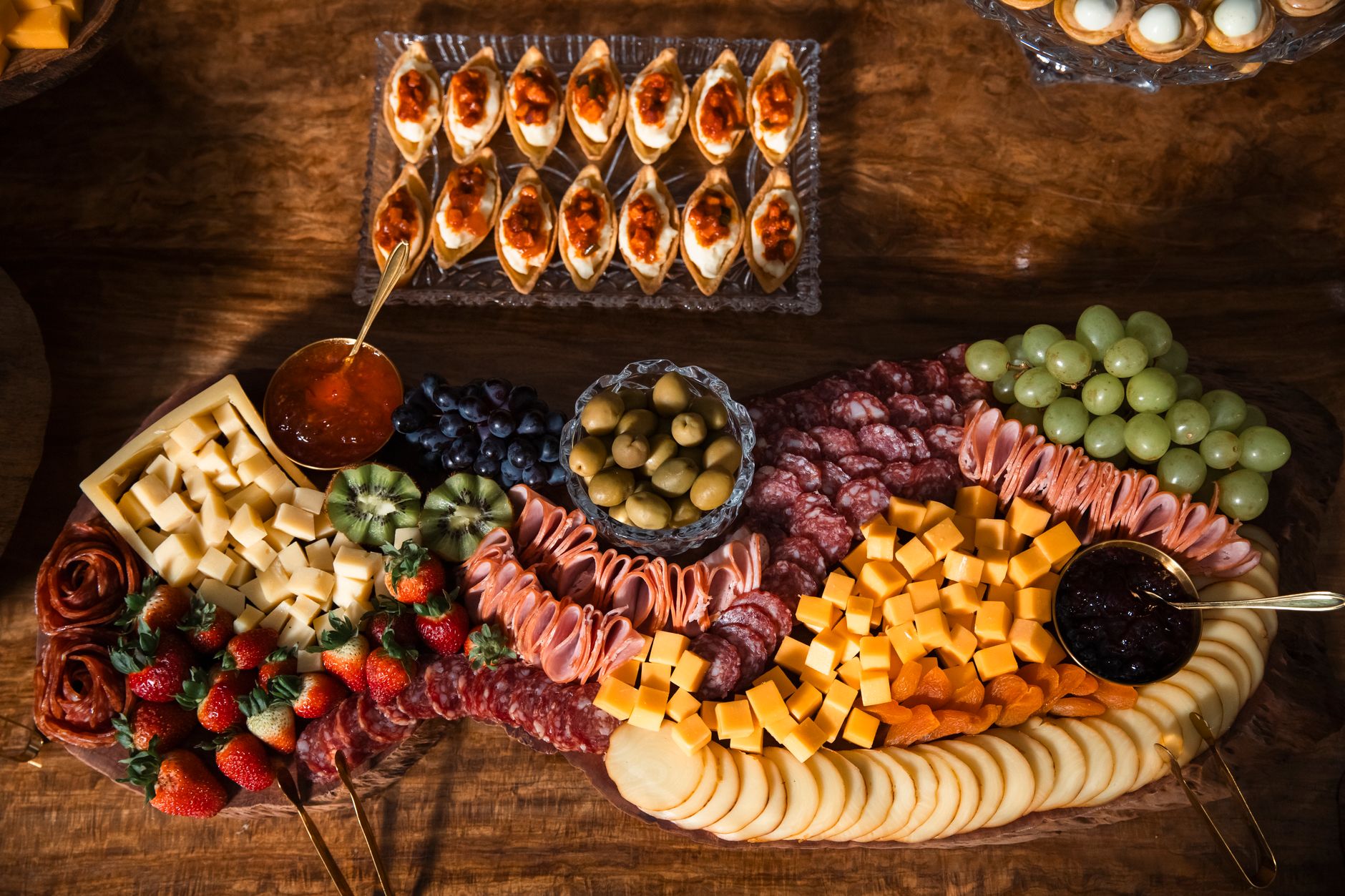
The charcuterie phenomenon laid the groundwork for the butter board, but it also demonstrated the power of assembly-only cooking. During recent years, prep-free entertaining gained massive popularity among younger hosts who prioritized visual presentation over traditional, labor-intensive culinary techniques. The butter board expanded on this philosophy by utilizing a single primary ingredient as a canvas for endless flavor profiles.
Despite its viral success, the concept faced pushback from hygiene conscious consumers and food safety experts. Cleaning soft dairy out of the porous grain of wooden cutting boards proved difficult, raising concerns about lingering bacteria. This practical friction, combined with standard audience burnout, created an opening for alternative communal dining trends that offer similar visual appeal without the cleanup headaches.
EMERGING CANDIDATES FOR DIGITAL DOMINANCE
As audiences seek out fresh concepts, several candidates have emerged to claim the spotlight on social media feeds. Tinned fish boards have gained significant traction, capitalizing on the broader cultural resurgence of premium preserved seafood. By arranging high-end sardines, trout, and mackerel alongside pickles, mustard, and crusty bread, creators achieve a sophisticated aesthetic with zero actual cooking required.
Another contender gaining momentum is the cream cheese board, which acts as a direct descendant of the butter board while leaning into bagel culture and savory dip profiles. Additionally, dessert-focused platters featuring melted chocolate, marshmallow fluff, or whipped ricotta are filling the void for sweet variations. Each of these trends relies on the same core principle of shared, customizable grazing that made predecessor concepts so engaging to watch and recreate.
RESTAURANT ADAPTATION AND ECONOMIC REALITIES
For commercial restaurant operators, deciding whether to adopt a viral social media trend is a complex economic calculation. Integrating a short-lived fad onto a printed menu involves supply chain adjustments, staff training, and inventory risks. By the time a traditional restaurant chain develops and launches a butter board concept, the digital conversation may have already moved on to another topic entirely.
Independent establishments and nimble pop-ups have achieved greater success by offering limited-time specials that align with digital chatter. By running a viral item for two or three weeks, operators can capture search traffic and social mentions without locking themselves into long-term menu commitments. This strategy minimizes ingredient waste while signaling to younger diners that the establishment stays current with broader cultural movements.
THE ROLE OF HOME COOKING IN TREND LIFECYCLES
Viral food trends differ significantly from traditional culinary movements because they originate primarily in domestic kitchens rather than fine dining establishments. Historically, trends trickled down from high-end restaurant menus to food magazines, eventually landing on domestic dinner tables years later. Today, a teenager in a home kitchen can launch a global phenomenon overnight using basic grocery staples and a smartphone camera.
This inversion of the traditional culinary hierarchy has democratized food culture, but it has also made consumer behavior far less predictable. Food brands must monitor user-generated content continuously to spot emerging ingredient spikes before traditional market research picks them up. The rapid rise of viral recipes means that retail demand for specific items can surge and collapse before traditional supply chains can fully adjust.
For the average consumer and home entertainer, the demise of the butter board simply signals an invitation to experiment with new gathering styles. You do not need to abandon the concept of shared platters if your guests enjoy them, but exploring alternatives like premium tinned seafood or whipped cheese spreads can keep your hosting menus feeling fresh. Paying attention to these shifting trends offers an easy way to try new flavor combinations without investing in complex cooking equipment or expensive ingredients.
From a practical standpoint, consumers should remain mindful of food safety when trying viral assembly concepts at home. Opting for non-porous serving trays made of slate, marble, or ceramic rather than traditional wood makes cleanup much safer and easier regardless of the topping you choose. Ultimately, taking inspiration from digital platforms while adapting recipes to fit your personal budget and kitchen routine remains the best way to enjoy viral food culture.
More from the Foodie Pundit Newsroom
- A New European Restaurant Just Landed In Madisonville
- Algorithmic Kitchens and Voice Ordering Reshape Hospitality Labor Dynamics
- How Viral TikTok Pasta Recipes Are Disrupting Global Restaurant Economics
- Subway's Billion-Dollar Bet: Inside the Sandwich Giant's Menu Overhaul
- Is The MilkShake Factory About To Take Over Florida?