Local restaurants are not making money like they used to
A closer look at revenue numbers reveals how cost inflation and changing guest habits are reshaping neighborhood dining rooms.
By Foodie Pundit Newsroom - Published - Updated - Section: Food Prices
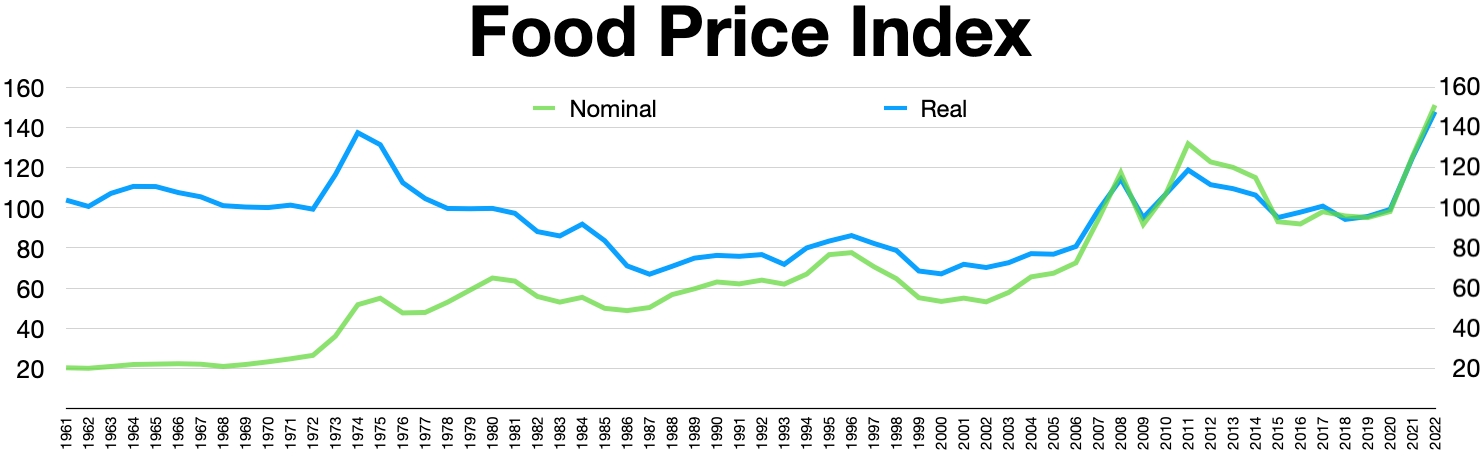
Key points
- Restaurant profit margins remain tight despite steady top-line revenue growth due to high labor and food costs.
- Operators are trimming menus and adjusting operating hours to optimize labor efficiency and lower waste.
- Off-premises dining and delivery app fees continue to compress per-order profits for independent venues.
- Diners are pulling back on high-margin extras like cocktails and desserts to manage their total spending.
The restaurant sector is navigating a complex financial landscape where topline revenue numbers often mask narrowing profit margins. Recent industry reporting by Restaurant Hospitality highlights a clear shift in how dining establishments measure success in the current economic environment. While consumer foot traffic has shown signs of stabilization following years of disruption, operators face persistent operational pressures that challenge long-term viability.
Understanding the reality of the restaurant rebound requires looking past simple sales totals to examine the specific cost drivers affecting daily operations. Many eateries report higher gross revenues compared to pre-pandemic baselines, but much of that increase stems directly from price hikes rather than higher customer counts. Operators are finding that keeping tables filled is only half the battle when labor, ingredients, and commercial rent remain elevated.
The daily expenses associated with running a commercial kitchen have fundamentally changed over the past three years. Wholesale food inflation has fluctuated wildly, leaving chefs and menu planners scrambling to maintain consistent cost margins. Essential commodities such as proteins, dairy, and specialized produce have experienced price spikes that force difficult decisions regarding menu pricing and portion sizes.
Labor dynamics present an equally significant hurdle for operators striving to rebuild their business models. While staffing shortages have eased in some regional markets, wage growth remains robust as restaurants compete for skilled culinary and front-of-house talent. To retain experienced staff, operators have expanded benefit packages and raised base pay, which permanent increases the baseline cost of doing business.
To offset these ongoing expenses, dining establishments have adopted aggressive operational adjustments. Many locations have trimmed their operating hours, closing on traditionally slower days like Mondays or Tuesdays to concentrate labor costs when foot traffic peaks. Others have streamlined their physical menus, removing labor-intensive dishes or items with volatile wholesale pricing in favor of high-margin, consistent sellers.
The modern dining public has developed new habits that directly influence restaurant profitability. Third-party delivery platforms and takeaway orders continue to represent a larger percentage of total sales than they did a decade ago. While off-premises dining expands a restaurant reach, it also introduces substantial commission fees and packaging costs that eat into already slim margins.
In-person diners are also adjusting their spending patterns in response to broader consumer inflation. While guests still value dining out as a primary form of entertainment, they are increasingly selective about where and when they spend. Industry analysts observe that consumers are cutting back on add-ons such as appetizers, premium cocktails, and desserts, focusing their spend on primary entrees.
This shift in guest spend impacts full-service casual dining and fine dining establishments most severely, as beverage programs historically generate high profit margins. Fast casual operators have captured a larger share of the market by offering quick service with lower price points, though even quick-service brands are testing the limits of consumer price tolerance.
To navigate these structural pressures, restaurant operators are turning heavily to technology to drive back-of-house efficiency. Modern point-of-sale systems now offer granular reporting that allows managers to track inventory in real time and reduce food waste. Automated scheduling software helps managers align labor deployment directly with historical sales trends, preventing costly overstaffing during quiet shifts.
Kitchen hardware has also undergone a modernization wave focused on energy efficiency and labor savings. High-speed combination ovens, automated fryers, and smart prep tools allow smaller kitchen teams to produce high volumes of food without sacrificing quality control. While these capital investments require significant upfront expenditure, operators view them as essential tools for controlling recurring operating costs over time.
Additionally, loyalty programs and digital ordering channels have become primary tools for guest retention. Direct digital ordering allows restaurants to bypass third-party commission fees while gathering valuable customer data. By offering tailored promotions through proprietary smartphone applications, operators can encourage repeat visits during slower operational periods.
The disparity between thriving establishments and struggling venues often comes down to capital access and operational agility. Independent operators without significant financial reserves face a far steeper path to sustained profitability than regional or national chains. Larger brands leverage economies of scale to negotiate better supplier pricing and spread marketing costs across multiple units.
Real estate costs continue to present a major challenge, particularly in urban centers where commercial leases are coming up for renewal. Landlords seeking higher rents are forcing some legacy concepts to relocate or downsize their physical footprints. Smaller dining rooms with optimized floor plans are becoming the preferred model for new concepts seeking to reduce overhead costs.
Industry analysts emphasize that surviving the current economic environment requires continuous menu engineering and disciplined financial tracking. Restaurants that react quickly to shifting commodity prices and maintain tight controls over operational waste are proving capable of generating sustainable profits even in a high-cost environment.
For everyday diners, the current state of the restaurant industry means menu prices are unlikely to drop back to historic levels. Operators are absorbing significant backend costs to stay open, which translates directly to the final check. Guests may notice smaller menus, streamlined service models, and more technology integration at their favorite neighborhood spots as owners work to keep overhead low.
Supporting local eateries now involves understanding that higher prices reflect the true cost of operating a hospitality business today. Diners can help their favorite spots by ordering directly through a restaurant own website rather than using third-party delivery apps that charge heavy operator fees. Flexibility regarding adjusted operating hours and changing menu items will also help consumers maintain strong relationships with local dining institutions.
Sources and methodology
Reported from the public datasets below.
More from the Foodie Pundit Newsroom
- Boulder Dining Scene Accelerates Spring Expansion As Operators Balance High Rents With Menu Strategy
- Ozempic Digestive Side Effects Confirmed by New Study as Food Industry Prepares for Shifts
- Arlington coffee shops level up, local owners lead the way
- Boulder Dining Expansion Reveals High Stakes of Hospitality Investment
- The Hidden Unit Economics Behind Boulder's Latest Wave of Independent Restaurants