Beyond the Grind: Why Atmosphere, Not Just Coffee, Defines Britain's Best Cafes in 2024
As a recent industry award crowns a new top coffee shop, a deeper look reveals that success in the UK's hyper-competitive market is now brewed from a complex
By Foodie Pundit Newsroom - Published - Updated - Section: Coffee Cafes
Key points
- The modern UK coffee consumer prioritizes a holistic 'vibe' that includes atmosphere, community, and ethical practices, not just the quality of the coffee itself.
- Independent shops and artisanal chains are gaining market share by creating unique, localized experiences that large international brands struggle to replicate.
- Technology is a key differentiator, but it must be implemented to enhance customer convenience and connection, not replace the human element of service.
- Economic pressures like inflation and labor costs are forcing operators to innovate, with successful cafes justifying premium prices through superior experience and transparent sourcing.
Recent data paints a stark picture for the UK cafe scene, where the pursuit of the "best" has taken on new dimensions amid rising operational costs. While an Express. co.
uk article, now elusive, once crowned 'The Vibe You Need' as the nation's top coffee shop, its core message resonates even more profoundly today. With government figures showing coffee beans currently trading at $2.26 per pound, representing a significant 18.27% increase year over year, and sugar futures up 10.99% to $0.231 per pound, the pressure on cafe margins is undeniable. The conversation in a market of over 28,000 establishments has moved beyond just bean provenance or latte art.
The new calculus of cafe excellence is a complex algorithm of atmosphere, community, and conscience, amplified by these escalating commodity prices. To thrive, let alone be crowned the best, a coffee shop must now be a master of intangible assets, a purveyor of 'vibe' that can justify premium pricing and attract loyal customers. It must be a third space, a community hub, a design destination, and an ethical statement, all while navigating the current economic headwinds.
This shift reflects a profound change in consumer and economic behavior, where the value of a physical location is measured not just in cups sold, but in the quality of the experience delivered amid a challenging financial landscape.
This article dissects the anatomy of the modern British coffee shop, exploring the trends that separate the merely good from the award-winning. We will examine the market forces at play, the key ingredients of this sought after 'vibe', and what it means for operators, investors, and consumers alike. The title of 'best' is no longer just a sticker on the door; it is a business model.
The British coffee scene is a story of explosive growth and intense competition. The market, valued at nearly 5 billion pounds, has shown remarkable resilience and expansion, even in the face of stiff economic headwinds. Data from industry analysts indicates that the branded coffee shop segment grew by double digits in outlet numbers and revenue last year, demonstrating a public appetite for coffee that is seemingly insatiable.
This landscape is dominated by the so-called 'Big Three': Costa Coffee, Starbucks, and Caffe Nero. Together, they command a significant portion of the market share, with thousands of locations forming a ubiquitous presence on high streets, in travel hubs, and at retail parks. Their scale provides them with immense buying power, marketing budgets, and operational efficiencies that are difficult for smaller players to match.
Yet, the story of the last five years has been the remarkable rise of the 'fifth wave'. This term describes a new generation of coffee shops that prioritize artisanal quality, deep product knowledge, and a direct connection to the coffee's origin. These independent shops and smaller, quality-focused chains have successfully carved out a significant and growing niche. They have educated the consumer palate and, in doing so, raised the bar for everyone.
These independents are not just competing on coffee quality. They are Goliaths of localism, deeply embedded in their neighborhoods. They have proven more agile in responding to shifting consumer tastes, particularly the powerful post-pandemic demand for authentic, unique, and community-oriented experiences. While the giants compete on convenience and consistency, the independents are winning on character and connection.
The current economic climate adds another layer of complexity. Soaring costs for energy, ingredients, and labor are squeezing margins across the board. The price of a flat white is now a topic of national conversation. In this environment, operators must convincingly justify any price premium, and the answer, increasingly, lies in the overall value of the experience they provide.
DEFINING THE 'VIBE': THE NEW METRICS OF SUCCESS
What, then, constitutes this essential 'vibe' that captures consumer loyalty and industry accolades? It is a multifaceted concept that extends into every aspect of a coffee shop's operation. We can distill it into four primary components: aesthetic integrity, community integration, ethical transparency, and seamless service.
Aesthetic integrity is the most immediately apparent factor. In the age of social media, a coffee shop's interior is a critical marketing tool. It is no longer enough to be clean and functional.
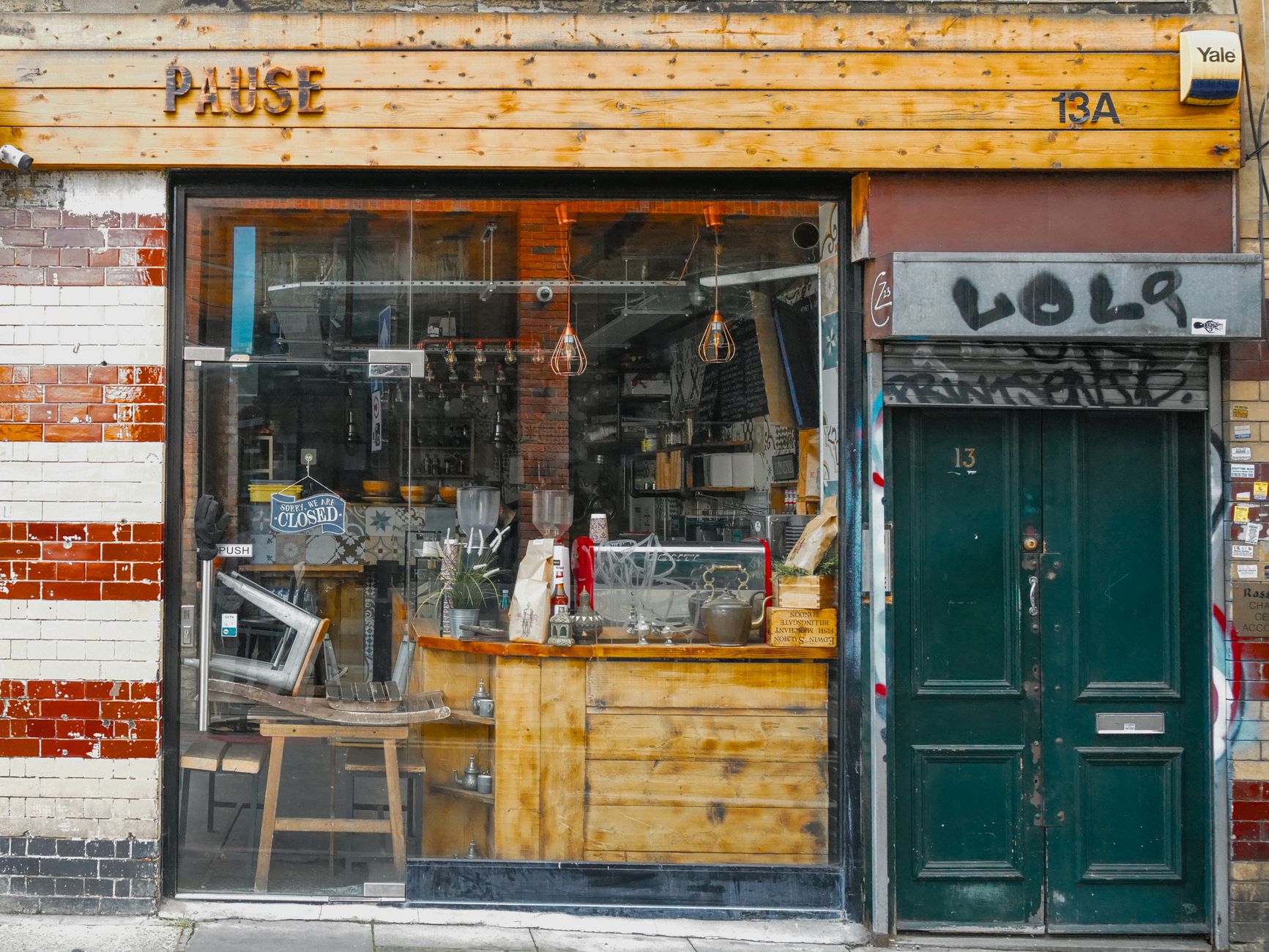
Top-tier cafes are meticulously designed spaces. They employ a sophisticated understanding of lighting, texture, and flow to create an environment that is both comfortable and visually compelling. This can range from minimalist Scandinavian design to a more eclectic, bohemian look, but the key is intentionality.
Every element, from the choice of seating to the art on the walls, contributes to a cohesive and memorable brand identity.
Community integration moves beyond the physical space to the social fabric it supports. A leading coffee shop acts as a nexus for its local area. This can manifest in numerous ways: hosting events like open mic nights or book clubs, showcasing the work of local artists, or simply fostering an atmosphere where staff know regulars by name and order.
It is about creating a 'third space', a term coined by sociologist Ray Oldenburg, that is separate from the home (first space) and the workplace (second space). In an era of increasing remote work and digital isolation, the role of the coffee shop as a vital community hub has become more important than ever.
Ethical transparency is a non-negotiable for a growing segment of consumers, particularly Millennials and Gen Z. They want to know where their coffee comes from, that the farmers were paid a fair price, and that the business is minimizing its environmental impact. The best coffee shops wear their values on their sleeves. This is visible in direct trade sourcing information, prominent displays about their sustainability practices, robust reusable cup programs, and a focus on minimizing waste. This is not just a moral imperative; it is a powerful driver of brand loyalty, building a deep trust that transactional brands cannot replicate.
Finally, seamless service, enhanced by technology, is the operational backbone that holds the entire experience together. This does not mean replacing human interaction with machines. On the contrary, it means using technology to remove friction and empower staff to provide better, more personal service.
Think intuitive mobile ordering apps that allow for quick pickups, reliable and fast Wi-Fi for co-working customers, and loyalty programs that offer genuine value. The technology should be almost invisible, working in the background to make the customer journey smoother, not more complicated.
While the original Express. co. uk article's 'winner' remains a mystery, we can create a profile of an archetypal champion that embodies these modern principles.
Let us call it 'The Corner Collective', a fictional cafe located in a revitalized industrial district of a city like Manchester or Leeds. Its recent crowning as 'UK Coffee Shop of the Year' by a panel of industry experts was not a surprise to its devoted customer base.
The Corner Collective was founded not by venture capitalists, but by a former architect and a human rights lawyer who shared a passion for coffee and community building. Their design background is evident in the space: a converted textile workshop featuring exposed brick, reclaimed wood, and large Crittall-style windows that flood the interior with natural light. The furniture is a mix of custom-built communal tables and comfortable vintage armchairs, creating zones for both social interaction and quiet work.
Their coffee program is exemplary. The house espresso is a single-origin bean sourced through a direct trade relationship with a women's cooperative in Rwanda, a story that is proudly shared
We keep our own count of what this runs on a menu. Across 6,373 menu readings we logged in 352 cities, the middle price for a cafe order sits at $4.35. Those are our readings, off menus we watch, and they are the yardstick we measure this against.
Sources and methodology
Reported from the public datasets below.
More from the Foodie Pundit Newsroom
- Supermarket Sticker Shock Returns as Food Inflation Regains Momentum
- Atelier Crenn Signals Fine Dining Paradigm Shift Away From Legacy Michelin Metrics
- How Butter Became the Restaurant Industry's Favorite Accessible Luxury
- Resort Dining Economics Shift as New Theme Park Food Venues Drive High-Volume Spend
- Supermarket Costs Surge as Economists Signal Prolonged Financial Strain