Beyond the Hype: The TikTok Recipes That Actually Deliver on Their Viral Promise
An analysis of the social media food trends that translate from the small screen to the dinner table, and what makes them worth your time and ingredients.
By Foodie Pundit Newsroom - Published - Updated - Section: Social Virality
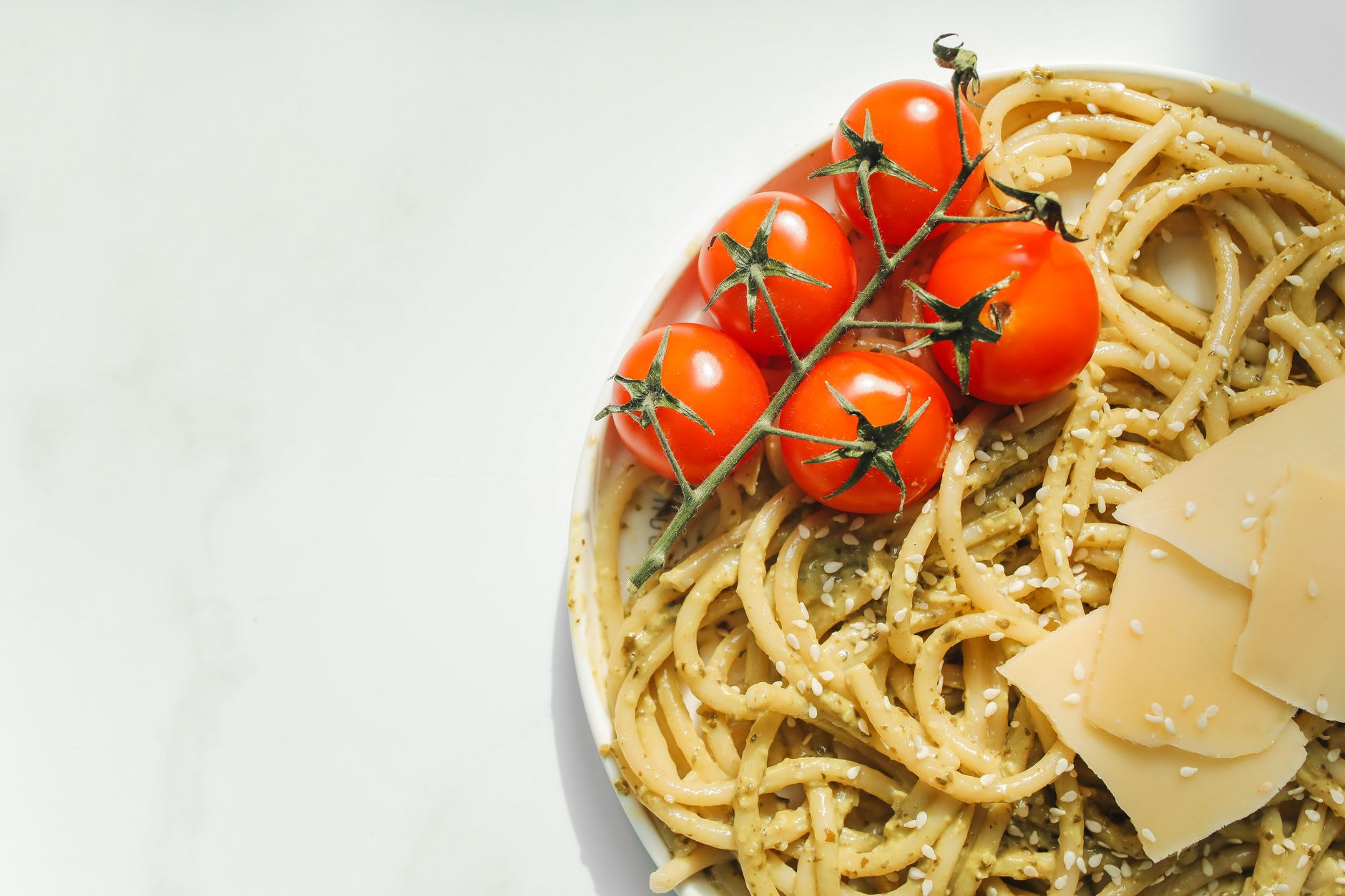
Key points
- The most successful viral TikTok recipes use common, accessible ingredients and a clever, simple technique that provides a high return on effort.
- Enduring trends like Baked Feta Pasta, the Emily Mariko Salmon Bowl, and various ramen hacks are rooted in fundamental culinary principles like the Maillard reaction, umami, and flavor layering.
- These recipes succeed by offering practical solutions to everyday problems, such as what to do with leftovers or how to create a fast, flavorful meal with minimal cleanup.
- To avoid "TikTok flops", home cooks should analyze recipes for their culinary logic and focus on dishes that prioritize flavor over purely visual gimmicks.
- The digital food trend landscape has empowered home cooks, but requires a discerning eye to separate fleeting novelties from genuinely useful and delicious recipes worth incorporating into a regular cooking routine.
A new generation of home cooks has found its culinary classroom, not in the hallowed halls of cooking schools or the glossy pages of cookbooks, but in the rapid-fire, 60-second world of TikTok. The platform has exploded as a food media powerhouse, with viral recipes capable of clearing grocery store shelves and dictating a week’s dinner menu for millions. Yet, for every viral sensation that becomes a household staple, there are a dozen that are little more than digital novelties, destined to disappoint. Its enduring impact is explored further in Beyond the Hype: The Enduring Power of TikTok's Culinary Icons.
The appeal is undeniable. TikTok’s format, emphasizing quick cuts, catchy audio, and visually stunning results, makes complex cooking seem approachable and, most importantly, fun. It democratizes the culinary world, allowing anyone with a smartphone and a ring light to become a food influencer. The result is a vibrant, chaotic, and often delicious stream of content that has fundamentally altered how people discover, share, and cook food.
According to market analysis, the hashtag #foodtok has amassed over 300 billion views globally, a staggering number that speaks to the platform's influence on dietary habits and consumer spending. This digital culinary wave has driven significant sales spikes for specific ingredients. For instance, after the "baked feta pasta" trend went viral, reports indicated that feta cheese sales in some regions increased by as much as 200%. Similarly, the "Gigi Hadid pasta" trend, a simple spicy vodka sauce, caused a run on tomato paste and heavy cream.
However, this virality comes with a caveat. The very nature of TikTok encourages recipes that are visually appealing and simple to explain in under a minute, which does not always translate to a successful dish in the home kitchen. Many viral recipes prioritize novelty and shock value over flavor, balance, or even basic culinary science. This has led to a common frustration among users: the "TikTok flop," a dish that looks amazing on screen but results in a waste of time, ingredients, and effort.
This article, a replacement for a now-unavailable piece from Lovefood, seeks to cut through the noise. By analyzing the characteristics of successful and enduring TikTok recipes, we aim to provide a guide for home cooks looking to embrace the trend without the disappointment. We will explore the anatomy of a successful viral recipe, identify specific dishes that have proven their worth, and offer insights into why they succeed where others fail. This is not just about recreating a trend; it is about understanding the new language of food in the digital age.
What separates a fleeting trend from a recipe that earns a permanent spot in a home cook's repertoire? The answer lies in a combination of accessibility, "wow" factor, and solid culinary fundamentals. The most successful TikTok recipes strike a delicate balance between being novel enough to capture attention and being practical enough for the average person to execute on a Tuesday night.
First and foremost is accessibility of ingredients. The recipes that achieve the most widespread and lasting success tend to rely on common pantry staples. The baked feta pasta, for example, requires little more than a block of feta, cherry tomatoes, pasta, garlic, and olive oil, all items that are readily available in most supermarkets.
This low barrier to entry is critical. If a user can decide to make a dish and find they already have most of the necessary ingredients, they are far more likely to try it.
Second is the "culinary trick" or "hack" element. Many enduring recipes feature a simple, clever technique that produces a surprisingly impressive result. The aforementioned feta pasta provides a perfect example: the act of baking the feta block whole with the tomatoes until soft and caramelized, then simply mashing it together to form a creamy sauce, is both visually satisfying and incredibly easy.
It feels like a secret shortcut to a restaurant-quality meal. Another example is the "one-pan" or "one-pot" meal, a perennial favorite that promises big flavor with minimal cleanup, a promise that resonates deeply with busy home cooks.
Third is the sensory appeal, tailored for the small screen. The "cloud bread" trend, which involves whipping egg whites into a meringue-like consistency and baking it, is a prime example. While its flavor is mild, the visual of tearing apart a fluffy, cloud-like loaf is undeniably captivating.
Similarly, the sound of a crispy "accordion potato" being pulled apart or the sight of a perfect "cheese pull" are powerful motivators. These recipes are engineered for a "shareable" moment, a key driver of virality on the platform.
Finally, the most successful recipes are, quite simply, delicious. No amount of visual flair or clever marketing can save a dish that does not taste good. The viral recipes that last are those that deliver on their implicit promise of a satisfying meal.
The spicy vodka sauce, the "Emily Mariko salmon bowl" (with its clever ice cube trick for reheating rice), and various forms of simple, flavor-packed ramen all have one thing in common: they taste great and are easy to adapt and personalize. They offer a solid foundation of flavor that encourages repeat cooking.
Having established the criteria, let's examine some of the specific recipes that have passed the test of time and proven themselves to be more than just a flash in the digital pan. These are the dishes that started on TikTok but have rightfully earned a place in the broader culinary conversation.
The Baked Feta Pasta is perhaps the quintessential example. Originating from Finnish food blogger Jenni Häyrinen long before it hit TikTok, its resurgence on the platform was a global phenomenon. Its success lies in its perfect storm of simplicity, visual appeal, and rich, savory flavor.
The process is almost entirely hands-off, yet the result is a creamy, tangy, and deeply satisfying sauce that coats pasta beautifully. It’s a testament to how a simple technique can transform basic ingredients into something special. For many, it has become a go-to weeknight meal, a testament to its staying power beyond the initial hype.
Next is the Emily Mariko Salmon Bowl. This recipe, popularized by influencer Emily Mariko, is less a formal recipe and more a method for assembling a delicious and healthy lunch from leftovers. It involves flaking leftover salmon, placing it over a bed of rice, adding an ice cube, covering it with parchment paper, and microwaving.
The ice cube steams the rice perfectly without drying it out. The bowl is then dressed with soy sauce, Kewpie mayonnaise, and sriracha. Its brilliance lies in its practicality.
It solves the common problem of uninspiring leftovers and the challenge of reheating rice. It’s healthy, fast, and uses what you already have, making it a sustainable and frequently repeated meal for its fans.
Simple, "hacked" ramen dishes also deserve a spot on this list. One popular version involves sauteing garlic and scallions, adding a sprinkle of brown sugar and soy sauce, and then cooking the instant ramen noodles directly in the pan before adding the seasoning packet and a splash of water to create a sauce rather than a soup. Another viral hit involves adding an egg, Kewpie mayo, and garlic to a bowl, then pouring the hot ramen broth over it to create a creamy, rich, and "tonkotsu-style" broth. These recipes take a humble, inexpensive pantry staple, instant ramen, and elevate it with a few simple additions, transforming a dorm-room meal into something that feels genuinely gourmet in under ten minutes.
Finally, the Gigi Hadid Pasta, a spicy vodka sauce, has proven its mettle. While spicy vodka sauce is not a new invention, the version shared by the model went viral for its straightforward preparation and luxurious result. The key is to cook down onion and garlic, add tomato paste and let it caramelize, then deglaze with vodka and finish with
Sources and methodology
Reported from the public datasets below.
More from the Foodie Pundit Newsroom
- The Phoenix of Pike Place: A Pizzeria's Return and the Rebirth of Seattle's Core
- The Science Behind Ireland's Green Pastures: The Fertilizer Riddle Explained
- Grocery Inflation Slumps As Food Price Spikes Finally Give Way To Market Stability
- Coffee Industry Surges as Specialty Cold Brews and Convenience Drive Record Market Expansion
- Social Media Entertaining Trend Butter Boards Return With Gourmet Upgrades