Big Box Giants Revamp Apps and Prices to Capture Gen Z Grocery Spending
Walmart and Target are overhauling mobile apps and pricing strategies to win over younger, digital-first food shoppers.
By Foodie Pundit Newsroom - Published - Section: Grocery Cpg
Key points
- Walmart and Target are investing heavily in mobile apps to streamline digital grocery shopping for younger demographics.
- Private label expansion and competitive digital pricing strategies aim to attract inflation-weary Gen Z consumers.
- Enhanced fulfillment options like curbside pickup and same-day delivery are now standard for perishable food items.
- Retailers are leveraging customer data to provide personalized rewards and rapidly stock items trending on social media.
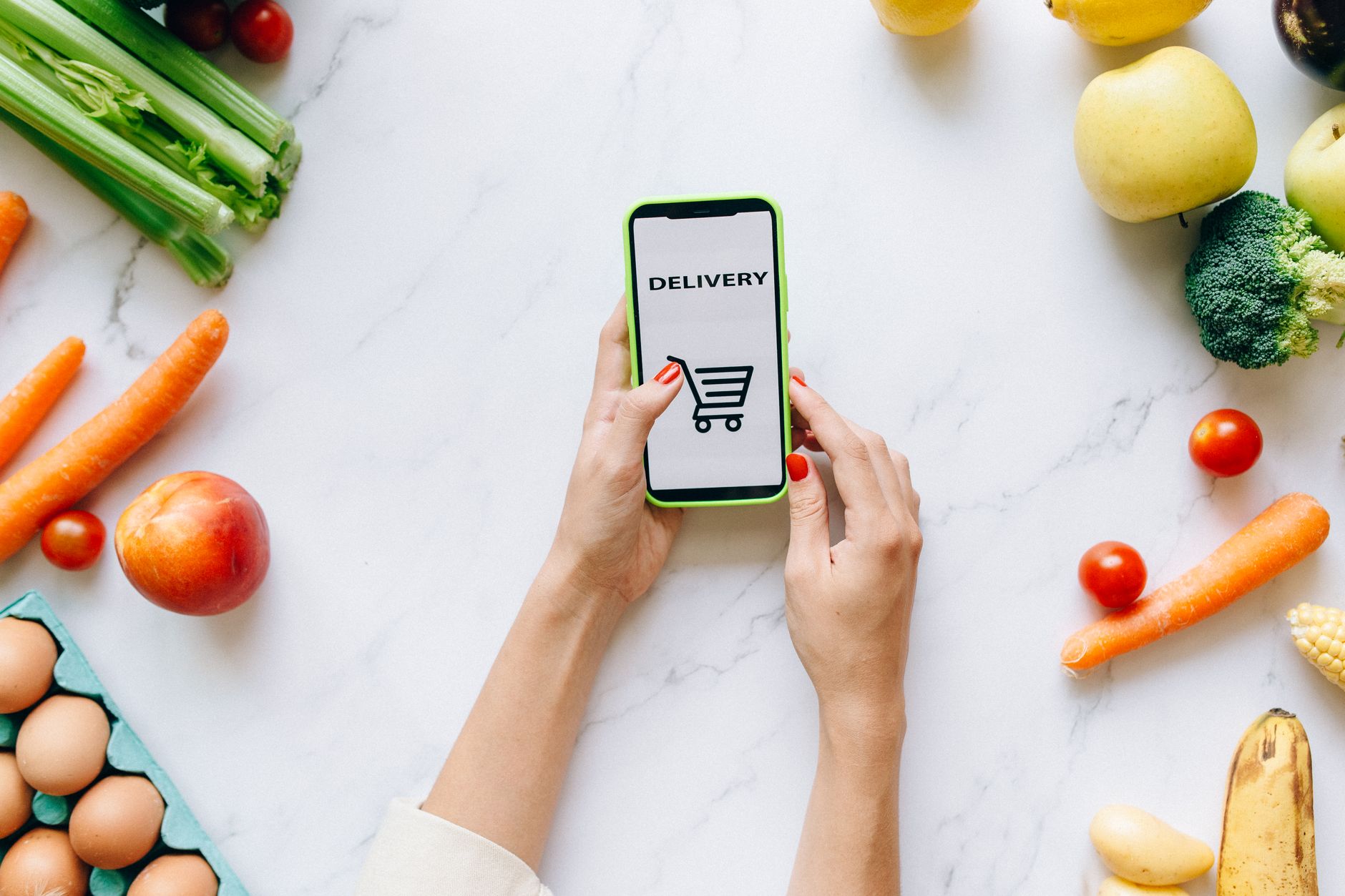
Big-box retail giants are aggressively overhauling their food retail strategies to capture the grocery spending of younger consumers. Reports from Supermarket News highlight how both Walmart and Target are pouring substantial resources into mobile app enhancements, targeted digital promotions, and competitive pricing frameworks. These shifts aim to convert casual digital browsers into routine grocery buyers.
Gen Z and millennial shoppers are altering traditional grocery consumption patterns. Younger demographics rely heavily on smartphone interfaces for meal planning, price comparison, and quick order fulfillment. As inflation pressures household budgets, these price-conscious consumers are seeking value without sacrificing convenience. Retailers that fail to offer smooth mobile experiences risk losing market share to regional supermarket chains and specialized delivery platforms.
RETHINKING DIGITAL SHELVES FOR DIGITAL NATIVES
The traditional grocery store layout relied on endcap displays and eye-level shelf placement to drive impulse purchases. Target and Walmart are now translating those visual merchandising principles into digital environments. Mobile apps feature personalized product carousels, curated recipe integration, and automated recurring order suggestions tailored to individual shopping habits.
Supermarket News indicates that digital app redesigns are focused on reducing friction between product discovery and final checkout. Target has refined its mobile experience to emphasize fast curbside pickup, known as Drive Up, alongside personalized rewards through its loyalty programs. Meanwhile, Walmart has focused on enhancing its search algorithms and streamlining its Walmart Plus membership benefits to encourage frequent digital cart additions.
PRICING PRESSURE AND PRIVATE LABEL APPEAL
Price remains a decisive factor for younger shoppers navigating persistent inflationary trends. Both retail giants have responded by expanding their private label offerings and highlighting low prices prominently within their digital interfaces. Private label brands, once viewed strictly as budget alternatives, have been rebranded to feature sleek packaging and trend-focused flavor profiles.
Walmart has expanded its private brand portfolio to include premium, affordable food lines aimed directly at home cooks seeking value. Target has similarly doubled down on its proprietary food and beverage lines, offering competitive price points on everyday staples. By placing these private label items at the top of digital search results, both stores effectively guide cost-conscious Gen Z shoppers toward high-margin store brands.
THE ROLES OF DELIVERY AND CURBSIDE CONVENIENCE
Convenience acts as the secondary pillar of this retail transformation. The modern shopper increasingly views physical aisles as optional, opting instead for curbside pickup or same-day home delivery. Supermarket News notes that investment in fulfillment infrastructure has allowed these mass merchants to compete directly with traditional regional grocers.
Target has expanded its pickup service to include cold and frozen food items across nearly all store locations. This expansion eliminates a major barrier for shoppers who previously visited conventional supermarkets for fresh perishables. Walmart continues to leverage its massive footprint of physical stores as local distribution hubs, utilizing sophisticated logisitics software to optimize delivery routes and lower order fulfillment times.
SOCIAL MEDIA AND TREND-DRIVEN MERCHANDISING
Social platforms like TikTok and Instagram heavily influence what younger consumers choose to eat and purchase. Viral food trends can create sudden spikes in demand for specific ingredients, snacks, or viral beverage products. Walmart and Target are adapting their inventory purchasing and app features to react more quickly to these online culture shifts.
Retailers are now creating dedicated digital shelves within their apps that bundle ingredients for viral recipes. When a specific dish trends online, mobile app users can quickly add every required component to their cart with a single click. This rapid alignment between digital content and retail supply chains helps big-box merchants capture impulse spend before consumer attention moves to the next trend.
DATA ACCELERATION AND PERSONALIZED REWARDS
Underpinning these front-facing changes is a vast infrastructure of retail media and customer data analytics. Every app interaction, search query, and saved item generates valuable data that helps retailers predict inventory needs and customize promotions. Supermarket News reports that individualized discounts are replacing broad national circulars as the primary tool for driving customer loyalty.
Target leverages its Circle platform to serve custom coupons directly to user smartphones based on past purchasing behavior. Walmart utilizes its retail media business to partner with consumer packaged goods companies, delivering highly targeted ads directly within the shopping flow. This data-driven strategy ensures that younger buyers see products and discounts that directly align with their dietary preferences and shopping history.
As big-box giants solidify their digital grocery dominance, traditional supermarkets face increasing pressure to modernize. Independent grocers and smaller regional chains often lack the capital required to build enterprise-grade mobile apps or sustain deep price cuts on private label goods. Consequently, market consolidation around high-tech mass merchants appears likely to accelerate over the next several years.
The battle for the Gen Z grocery wallet extends beyond mere transaction volume. Winning these shoppers early in their independent financial lives creates long-term brand equity and customer lifetime value. Retailers that master the intersection of digital convenience, sharp pricing, and modern product curation will command the future of the food retail landscape.
For the average grocery shopper, the digital push by major retailers translates directly into greater convenience and more targeted savings. Enhanced mobile apps make it far easier to compare prices, discover affordable private-label alternatives, and build digital shopping carts on the go. Taking advantage of store loyalty programs and app-exclusive coupons can yield substantial savings on weekly food bills.
However, consumers should also remain aware of how digital environments are designed to encourage extra spending. Features like single-click recipe bundles, personalized recommendations, and targeted push notifications are engineered to increase total basket size. Setting a strict meal plan and utilizing free curbside pickup can help shoppers maintain control over their budget while taking advantage of modern retail technology.
Sources and methodology
Reported from the public datasets below.
More from the Foodie Pundit Newsroom
- Target and Walmart Overhaul Grocery Strategy to Win Over Generation Z Shoppers
- How Social Media Pasta Shortcuts Are Reshaping Home Meal Economics
- Big-Box Retailers Overhaul Food Strategy to Capture Gen Z Grocery Dollars
- Del Taco Tops Consumer Rankings as Fast Food Landscape Shifts Toward Value and Variety
- The Rise of Assembly-Only Pasta Salad: How Grocery Shortcuts Are Redefining Easy Home Cooking