Foodie Pundit

Borough Market Prepares For Major Redevelopment As New Restaurants And Infrastructure Upgrades Take Shape

London historic Borough Market undergoes a major physical redevelopment to expand dining capacity and improve visitor infrastructure.

By Foodie Pundit Newsroom - Published - Updated - Section: Restaurants
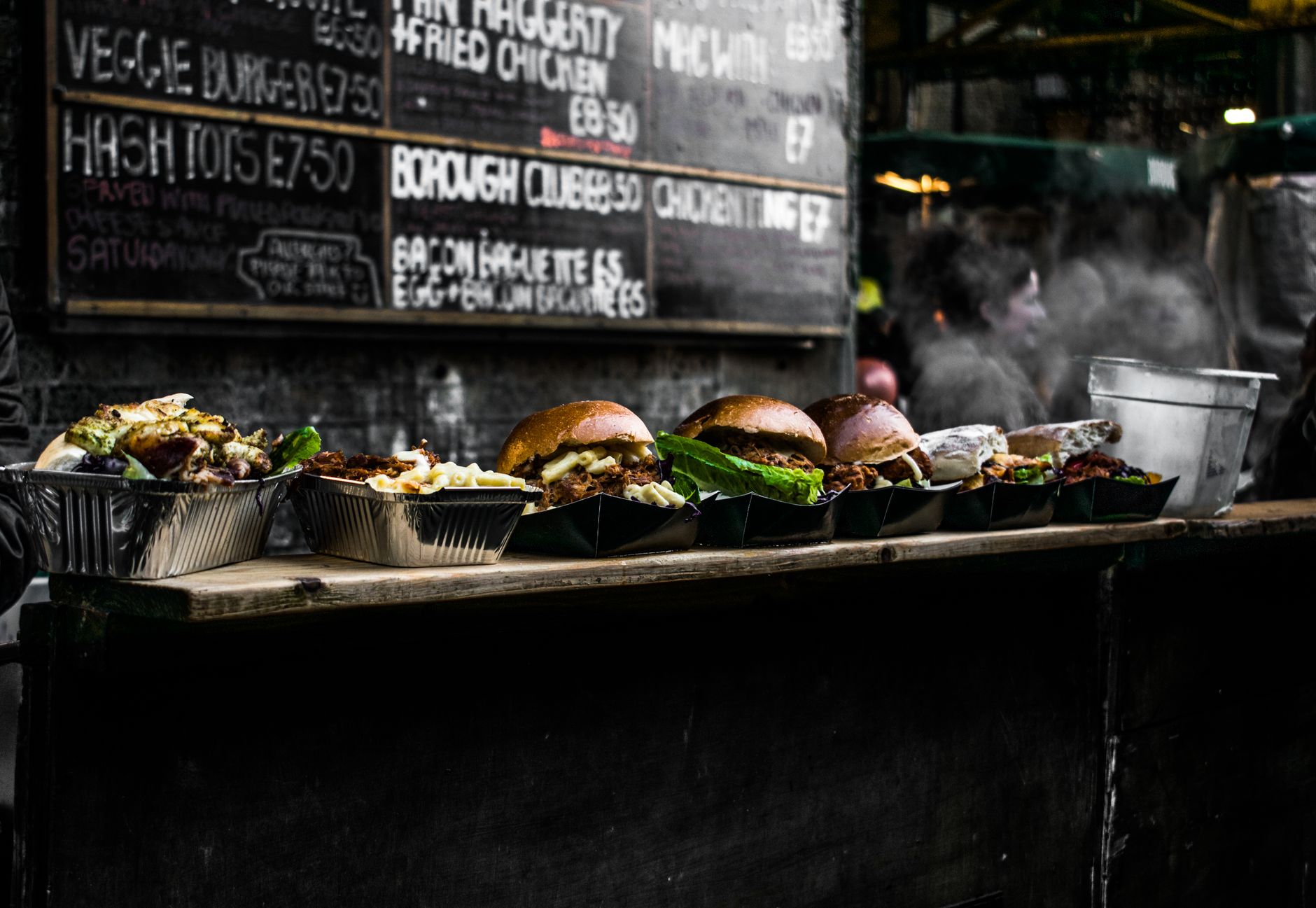
Borough Market Prepares For Major Redevelopment As New Restaurants And Infrastructure Upgrades Take Shape

Key points

  • Borough Market is embarking on a major structural redevelopment to improve foot traffic flow and update vendor infrastructure.
  • New full-service dining concepts will join the market to boost evening trade and extend visitor dwell time.
  • Layout updates aim to reduce weekend congestion by separating fast-casual street food from traditional grocers.
  • Construction will take place in phased stages to keep primary trading floors open throughout the build process.

London historic Borough Market is preparing for a significant physical transformation that aims to modernize its dining infrastructure while preserving its centuries-old heritage. Reporting from Evening Standard highlights an upcoming wave of developments across the site, which includes extensive structural upgrades and the introduction of high-profile new food outlets. These changes mark one of the most substantial investment cycles for the central London landmark in recent years.

The planned renovations arrive at a crucial moment for the capital urban dining scene. As post-pandemic foot traffic returns to peak levels, historic market spaces across Europe face intense pressure to balance local heritage with the operational demands of high-volume food service. The upcoming works at Borough Market reflect a broader shift toward optimizing retail footprint, improving visitor flow, and creating dedicated spaces for seated dining alongside traditional fresh produce stalls.

HISTORIC INFRASTRUCTURE MEETS MODERN DINING

Borough Market traces its origins back to at least the twelfth century, making it one of the oldest public markets in continuous operation in the United Kingdom. Managing such a historic site presents unique challenges for urban planners and hospitality operators alike. The modern market must house complex refrigeration systems, heavy prep equipment, and extensive ventilation within architectural frameworks that are protected by strict conservation laws.

The latest development phase addresses these structural constraints directly. Upgrade projects focus on expanding outdoor seating capacity, refining pedestrian thoroughfares, and renovating aging market halls to support modern culinary operations. According to reporting by Evening Standard, these physical enhancements will create a more seamless experience for both daytime market shoppers and evening diners who frequent the surrounding restaurant district.

NEW RESTAURANT ANNOUNCEMENTS BOOST MARKET APPEAL

Central to the upcoming transformation is the introduction of brand new food venues designed to anchor the market evening trade. While the market has long been famous for its street food vendors and artisan grocers, the addition of full-service brick and mortar dining concepts represents a strategic push to capture higher margin, sit-down dinner business. The new operator arrivals will bring refreshed culinary concepts to previously underutilized spaces within the market perimeter.

Commercial real estate analysts view these additions as a necessary evolution for high-footfall food hubs. By blending quick-service takeaway options with seated, full-service hospitality, market managers can extend visitor dwell time and increase average spend per visitor. The incoming dining concepts are expected to focus heavily on seasonal, locally sourced ingredients that align with the core ethos of the historic trading hall.

A major ongoing challenge for Borough Market management is maintaining an equilibrium between global tourists and local neighborhood residents. Over the past decade, the site has grown into a major international travel destination, which has occasionally led to severe congestion and friction with daily grocery shoppers. The architectural and layout revisions are specifically designed to alleviate these choke points.

By strategically redistributing food stalls and creating defined zones for dining versus grocery shopping, the project aims to improve crowd management during peak weekend hours. Clearer navigation and wider walkways will allow everyday visitors to buy fresh produce without navigating dense crowds gathered around popular cooked food stands. This operational separation is vital for maintaining the dual identity of the location as both an active wholesale food hub and a leisure destination.

The capital expenditure behind this development surge underscores growing investor confidence in London brick and mortar food retail. Commercial hospitality properties in central London have shown strong resilience over the past eighteen months, buoyed by returning office workers, international tourists, and robust domestic leisure spending. Property developers and restaurant groups view historical market districts as low-risk investments due to their built-in foot traffic and strong global brand recognition.

Data from UK hospitality trade associations suggests that destination markets are outperforming traditional high street corridors in revenue recovery metrics. Consumers increasingly favor experiential dining environments that offer variety, authenticity, and visual appeal. The planned investments at Borough Market ensure that the site remains competitive against newer, purpose-built food halls that have opened across London in recent years.

OPERATIONAL TIMELINES AND VISITOR EXPECTATIONS

Implementation of the various refurbishment projects will occur in phased stages to minimize disruption to existing traders and daily business. Market authorities plan to keep primary trading floors open throughout the construction calendar, using temporary hoarding and off-peak build schedules to mitigate noise and dust. Visitors can expect to see initial physical changes taking shape over the coming months, with full completion of the new restaurant spaces aligned with upcoming seasonal dining spikes.

Existing traders have generally welcomed the planned infrastructure investments, citing the need for modernized utility connections and improved waste management facilities. As the street food sector grows increasingly competitive, access to top-tier physical infrastructure gives stallholders a distinct operational advantage over pop-up operators elsewhere in the city.

For everyday consumers and culinary travelers, the upcoming updates at Borough Market mean a significantly upgraded visiting experience. Expect shorter wait times, clearer walkways, and expanded options for seated dining, particularly during busy weekend hours and evening trade. While popular street food stalls will remain a central attraction, the addition of dedicated full-service dining venues provides more comfort for visitors looking to avoid standing crowds.

If you are a regular visitor or planning a trip to central London, prepare for minor pedestrian detours as construction phases roll out across specific halls. The long-term result will be a more accessible, comfortable market space that better integrates quick-bite options with sit-down hospitality, making it easier to navigate whether you are buying weekly groceries or dining out with a group.

Sources and methodology

Reported from the public datasets below.

All sources Foodie Pundit reports from

More from the Foodie Pundit Newsroom

Permalink