Casual Grazing Trend Reemerges As Summer Heat Alters Evening Dining Habits
The social media phenomenon prioritizing low-effort grazing spreads returns with a seasonal focus on chilled pantry staples and summer produce.
By Foodie Pundit Newsroom - Published - Updated - Section: Restaurants
Key points
- The viral girl dinner trend has returned for its second summer season, driven by warm weather and a desire for no-cook evening meals.
- Grocery retailers are seeing sustained demand for high-end tinned seafood, specialty cheeses, and single-serve snack items.
- Restaurants are capitalizing on the shift by expanding cold-plate appetizers, bar snacks, and aperitivo menu offerings.
- Nutritional trends around grazing spreads have evolved to incorporate more lean proteins and fresh seasonal produce.
The internet phenomenon known as girl dinner has officially entered its second annual summer cycle. Originating on social video platforms in mid-2023, the trend celebrates low-effort, highly customized meals composed of disparate small bites, pantry staples, and casual snacks. As warm weather returns across North America, food service analysts and digital media researchers report a pronounced resurgence in consumer enthusiasm for these no-cook evening spreads.
In its latest iteration, reported in part by Today.com, the movement emphasizes seasonal produce, chilled appetizers, and refreshing beverages. What began as an informal meme has evolved into a legitimate retail purchasing pattern that influences grocery store sales, restaurant menu strategies, and home dining habits during peak heat months.
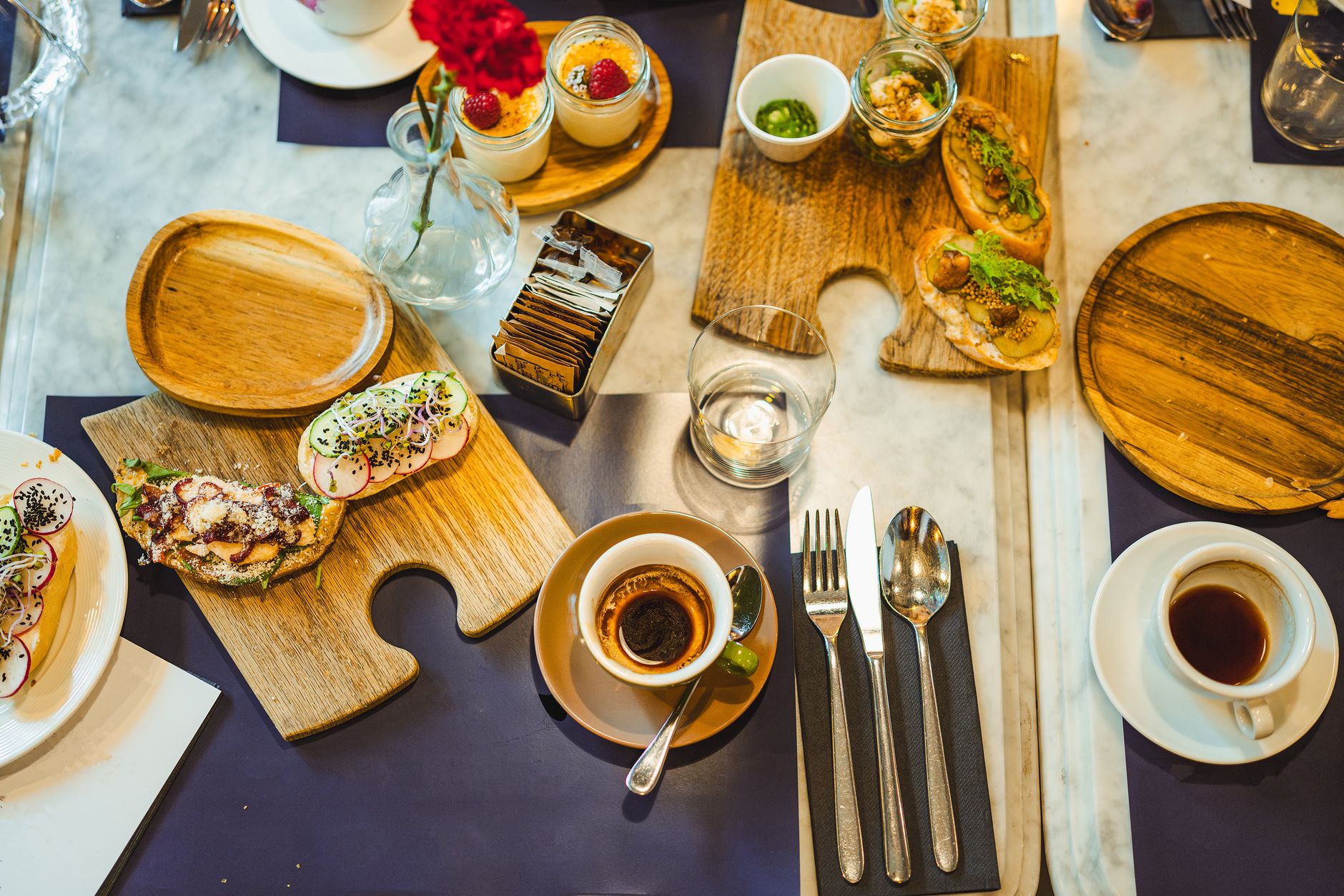
At its core, girl dinner rejects traditional meal architecture in favor of personal preference and immediate convenience. A typical assembly might combine a handful of olives, salted almonds, a wedge of brie, crusty bread, a cold beverage, and fresh fruit. The appeal lies in the complete absence of cooking, minimal cleanup, and the satisfaction of assembling a personalized tasting menu at home.
During the summer months, the thermal burden of using an oven or stovetop naturally drives consumers away from hot, complex recipes. This seasonal reality makes the assembly model particularly attractive to household cooks seeking relief from kitchen heat. Digital creators are currently filling feeds with vibrant plates featuring heirloom tomatoes, tinned fish, cold cut charcuterie, and seasonal berries, framing the practice as an elevated summer ritual rather than a lazy compromise.
The economic impact of this casual dining shift is becoming increasingly visible across grocery aisles. Premium tinned seafood, specialty cheeses, artisanal crackers, and fermented pickles have experienced steady demand surges that align with peak social media engagement around these meals. Supermarket chains have responded by grouping complementary snack items together in promotional endcap displays to encourage impulse buying.
Consumer packaged goods manufacturers are also leaning into the trend by packaging products in smaller, single-serve formats. The rise of grazing culture allows specialty food brands to capture market share from traditional center-plate protein suppliers. As shoppers swap out heavy cuts of meat for higher-end pantry items, overall basket sizes remain robust even if traditional dinner components are absent from the checkout belt.
On the commercial dining side, operators are adjusting their offerings to cater to diners who want small, flexible plates rather than structured three-course meals. Many casual and upscale restaurants are expanding their aperitivo hours, wine bar concepts, and bar snack menus to capture this demographic. Tinned fish boards, curated butter flights, and customizable charcuterie platters have become reliable profit drivers for hospitality groups.
These menu items carry favorable economics for restaurant operators facing elevated labor and ingredient costs. Assembling cold plates requires significantly less line-cook prep time and lower energy utilization than executing hot entrees. By leaning into high-margin appetizers and pairing them with premium summer cocktails or natural wines, establishments can maintain strong average check sizes while delivering the exact dining style guests are demanding online.
When the trend first gained mass attention, registered dietitians raised valid concerns about calorie adequacy and nutrient balance, noting that some shared plates resembled light afternoon snacks rather than complete dinners. Over the past year, however, the digital conversation has matured toward more balanced, protein-rich assemblies.
Current iterations showcased across culinary platforms show a broader diversity of ingredients. Incorporating hard-boiled eggs, hummus, canned chickpeas, marinated tofu, and lean deli meats has addressed early nutritional critiques. The modern grazing plate is increasingly viewed by health professionals as a valid, mindful approach to eating, provided consumers include adequate macronutrients to meet their daily energy requirements.
Beyond the practical economics of groceries and restaurants, the lasting power of this movement reflects broader cultural shifts in how people view daily routines. The trend explicitly relieves individuals of the domestic pressure to produce picture-perfect, labor-intensive dinners after long working hours. It legitimizes simple, intuitive eating without judgment or rigid culinary rules.
Furthermore, the summer season naturally invites a more relaxed approach to scheduling and hospitality. Hosting informal gatherings centered on shared grazing boards requires minimal prep work, allowing hosts to spend more time socializing rather than managing heat sources in the kitchen. The social media loop continues to reinforce this behavior, turning mundane pantry raids into celebrated aesthetic choices.
For the average consumer, the continued popularity of low-effort grazing meals provides permission to streamline weeknight dinner routines without sacrificing flavor or quality. You can reduce household energy usage and kitchen prep time by keeping versatile, shelf-stable ingredients on hand throughout the hottest weeks of the season. Stocking high-quality canned seafood, specialty cheeses, nuts, and fresh seasonal produce allows for quick, satisfying meal creation whenever traditional cooking feels unappealing.
For those watching their household budgets, building your own casual tasting plates at home offers a cost-effective alternative to dining out at high-end wine bars. By curating your own combinations of premium crackers, preserves, and proteins, you can achieve a restaurant-quality aperitivo experience in your own living room or backyard at a fraction of the retail cost. Expect grocery stores to continue offering convenient, pre-portioned grazing components as this seasonal dining style cements its place in the modern food landscape.
More from the Foodie Pundit Newsroom
- Grocers Level Up Grab and Go Meal Kits to Challenge Restaurant Outlets
- Bay Area Dining Institutions Face Financial Restructuring as Debt Pressures Mount
- Clinical Research Validates Nutrition Coaching as Essential Strategy for Chronic Illness Management
- Sweet Butter Boards Emerge As Summer Entertaining Takes Center Stage
- Beyond Butter Boards: How the Fast-Paced Cycle of Viral Food Trends Shapes Restaurant Menus