Chipotle Reintroduces Chicken al Pastor as Limited Time Menu Strategy Drives Fast Casual Sales
Chipotle brings back its highly requested limited time protein to capture market share and boost foot traffic across North America.
By Foodie Pundit Newsroom - Published - Updated - Section: Chain Watch
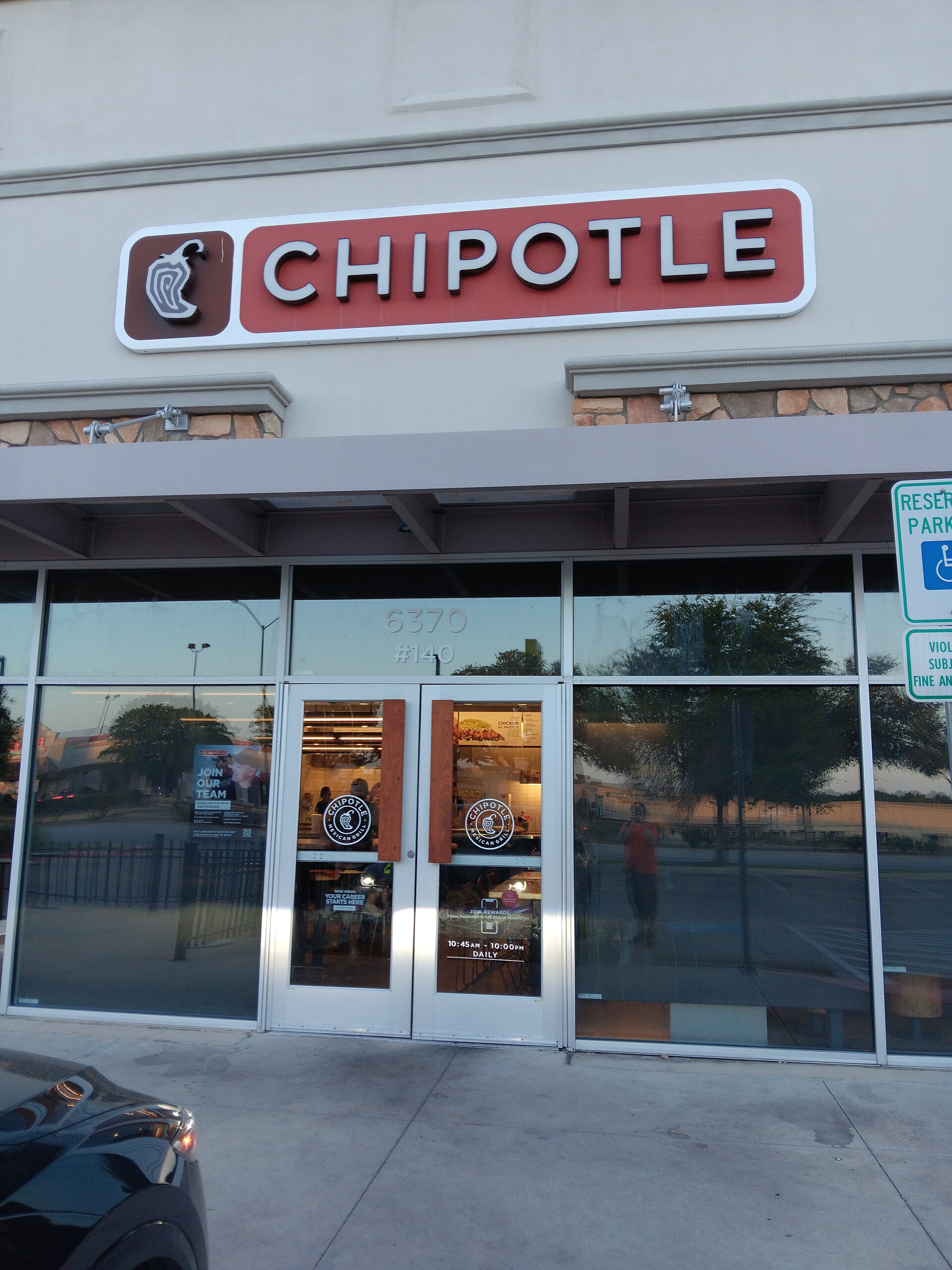
Key points
- Chipotle has officially brought back Chicken al Pastor as a limited time offer across North American stores.
- Reusing existing poultry supply chains allows the brand to introduce menu variety without disrupting kitchen operations.
- Limited time offers drive foot traffic, boost average check totals, and protect operating margins against menu fatigue.
- Digital loyalty data and consumer sentiment directly influenced the decision to return the protein to the national menu.
Chipotle Mexican Grill has officially brought back its limited time protein option, Chicken al Pastor, to locations across North America and select international markets. The return marks a strategic move by the fast casual giant to capitalize on proven consumer preferences during a period of shifting diner habits. Industry observers note that the company relies heavily on limited time offers to drive foot traffic without expanding operational complexity behind the counter.
The menu item was first introduced as a temporary test before gaining a massive following among regular patrons. According to reporting by WFAA, the protein option quickly became one of the most requested menu additions in recent brand history. By reintroducing a seasoned chicken variation, the chain addresses consumer demand for bold flavor profiles while maintaining the quick service model that defines its business architecture.
Limited time offers serve as an essential lever for fast casual operators seeking to boost average check sizes. When a distinct protein is added to the line, it frequently encourages customers to place higher value orders or try premium combinations. The reintroduction of Chicken al Pastor fits neatly into this broader industry playbook, allowing Chipotle to refresh its menu presentation without altering its primary supply chain infrastructure.
From an operational perspective, introducing a new chicken variant is significantly less complex than adding an entirely new class of protein such as pork or seafood. Chipotle utilizes its existing poultry supply chains and standard cooking equipment to prepare the dish. The preparation involves marinating grilled chicken in a blend of seared peppers, achiote, and fresh pineapple, finished with chopped cilantro and fresh lime juice.
By leveraging an established protein pipeline, the company minimizes the supply chain risk associated with limited time menu rollouts. Food safety protocols and kitchen workflows remain largely identical to standard operations. Kitchen staff process the spiced chicken using the same grill routines already in place for regular chicken and steak. This operational efficiency is critical for maintaining fast throughput times during peak lunch and dinner hours.
Financial analysts track these limited offerings closely because they directly influence same-store sales metrics. Margins on chicken-based options are historically more predictable than those on beef or specialty cuts, giving operators better cost control during inflationary cycles. By driving excitement around a poultry option, Chipotle protects its operating margins while still delivering perceived novelty to diners who might otherwise experience menu fatigue.
The return of popular limited items highlights the changing nature of restaurant marketing and customer engagement. Digital loyalty programs and social media channels play an unprecedented role in dictating menu strategy. When Chipotle initially removed Chicken al Pastor from its boards, digital engagement spiked with requests for its return. WFAA highlighted how consumer sentiment on social platforms effectively forced the item back into national distribution.
Fast casual chains increasingly rely on these direct feedback loops to evaluate product viability before committing to full scale rollouts. By analyzing mobile app orders and rewards program data, corporate culinary teams can pinpoint exactly which regional markets respond best to specific flavor profiles. This targeted approach reduces the financial loss typically associated with failed menu experiments in the food service sector.
Furthermore, temporary menu items create a heightened sense of urgency among casual diners. Knowing that an option may disappear within a few months encourages consumers to visit stores more frequently. This urgency is particularly effective among younger demographic cohorts, who prioritize variety and trendy flavor combinations when choosing where to dine out.
Chipotle faces stiff competition from regional and national fast casual brands that are rapidly expanding their own customized Mexican food concepts. Competitors frequently introduce seasonal salsas, specialty meats, and limited time bowl combinations to capture market share. In this environment, standing still is rarely an option for major publicly traded restaurant groups.
The strategic rotation of proteins allows Chipotle to defend its market dominance without overwhelming customers with an excessively long menu. Overly complex menus often lead to longer wait times, higher ingredient waste, and increased training costs for kitchen staff. By bringing back a single, high performing limited time offer, the company balances menu innovation with fast throughput.
Industry analysts expect limited time protein rotations to remain a cornerstone of fast casual economics for the foreseeable future. As commodity prices fluctuate and consumer spending shifts, operators will continue using targeted menu drops to maintain brand relevance. Chipotle's deployment of Chicken al Pastor demonstrates how established chains can generate renewed excitement by simply giving consumers what they have already proven they like.
For the everyday consumer, the return of specialized menu items represents both an opportunity and a subtle push toward higher spending. Limited time proteins often carry a slight price premium compared to standard menu options, which can quietly increase your total bill at the register. If you are trying to manage your dining budget, keeping track of these promotional pricing tiers helps you make more deliberate choices at the counter.
Additionally, the trend of crowd-sourced menu planning means your digital interactions hold actual weight in the food service industry. By participating in rewards programs or engaging with brand channels, consumers directly influence which items return to local stores. However, diners should remain aware that these limited offerings are designed to foster frequent visits. Enjoying seasonal items fits well into a routine, provided you navigate the associated price adjustments with an eye on your overall spending.
Sources and methodology
Reported from the public datasets below.