Chipotle's sweet quesadillas solve the dessert struggle
Chipotle leverages its existing tortilla presses to test a sweet menu addition aimed at boosting average ticket values across national locations.
By Foodie Pundit Newsroom - Published - Updated - Section: Desserts Snacks
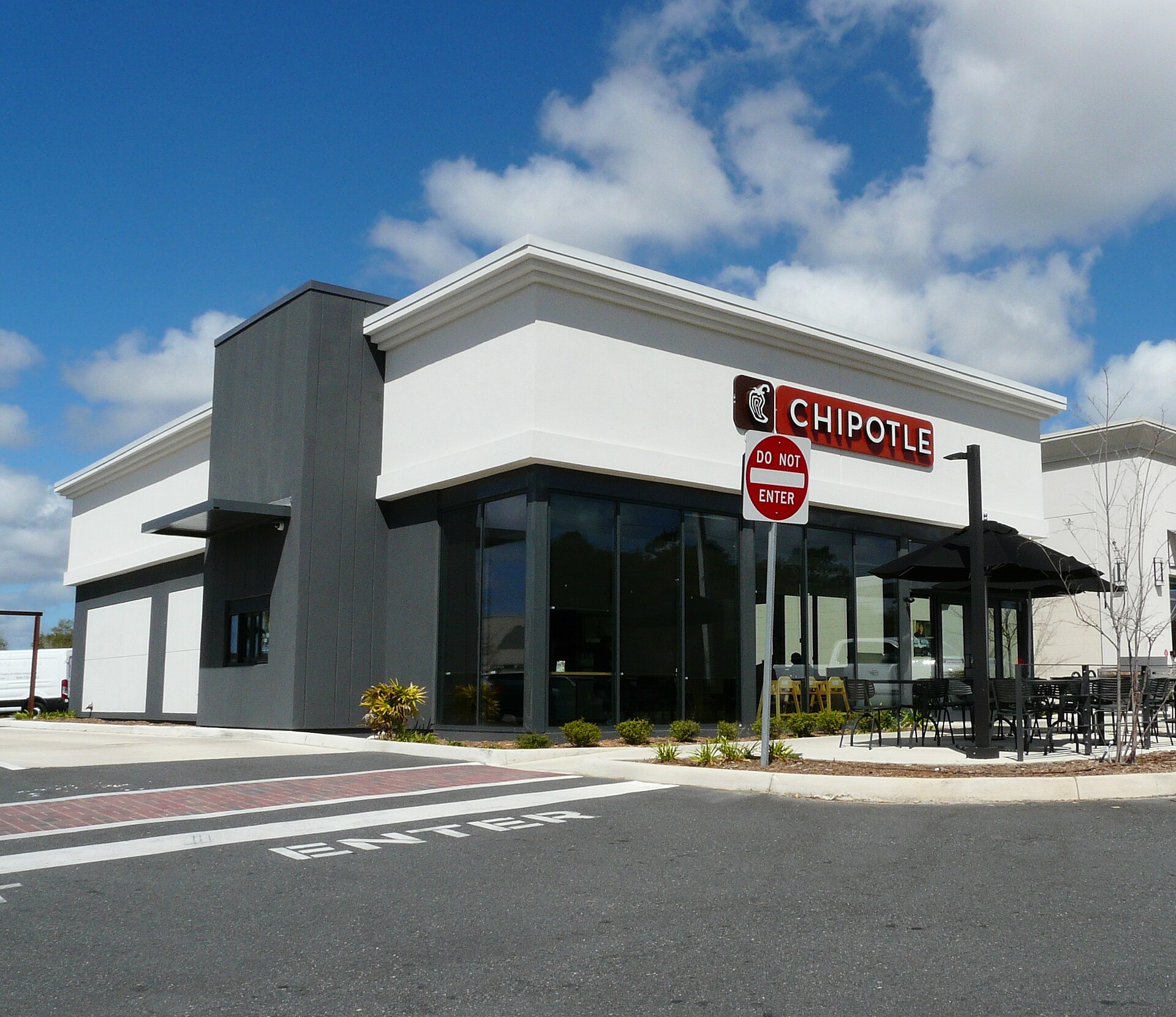
Key points
- Chipotle is testing sweet quesadillas to expand its dessert offerings without adding new kitchen equipment.
- The menu item utilizes existing flour tortillas and custom presses, minimizing operational friction for store labor.
- Dessert add-ons represent high-margin opportunities that increase average guest check totals during evening hours.
- The move aligns with broader restaurant industry trends of repurposing core ingredients for menu innovation.
For decades, fast-casual Mexican dining chains have struggled to solve a persistent operational puzzle. While quick-service burger joints thrive on high-margin sweet treats like milkshakes and soft-serve ice cream, fast-casual burrito concepts often watch customers walk out the door the moment their savory meals are finished. Chipotle Mexican Grill has spent years experimenting with sweet additions to its menu, testing everything from traditional Mexican pastries to specialized baked goods, with mixed commercial success. Now, the company is leaning into its existing kitchen infrastructure to test a novel dessert concept that transforms its standard flour tortilla platform into a sweet indulgence.
Reports first highlighted by Mashed indicate that Chipotle is testing sweet quesadillas across select regional markets, aiming to capture additional revenue per transaction without complicating back-of-house operations. The new menu item relies heavily on existing kitchen equipment and core ingredients, minimizing the supply chain friction that typically accompanies major menu expansions. By utilizing the company's proprietary custom quesadilla presses, store workers can prepare these warm, melted sweet offerings using the exact same operational flow as standard savory orders. Industry analysts view this approach as a calculated move to boost dinner check averages during a period of shifting consumer spending habits.
Fast-casual operators face unique operational constraints when introducing sweet menu items. Unlike traditional fast-food establishments equipped with deep fryers or soft-serve machinery, fast-casual assembly lines prioritize speed, visibility, and customizable savory ingredients. Introducing a standalone dessert station often requires significant capital expenditure, additional staff training, and precious kitchen real estate.
Historically, Chipotle attempted to overcome these barriers by testing items like churros and cinnamon-apple empanadas in select market panels. However, fried items created labor bottlenecks and required specialized frying equipment that did not align with the brand's core kitchen layout.
By pivoting toward a tortilla-based sweet quesadilla format, the chain effectively eliminates the need for specialized cooking apparatus. The dessert utilizes warm flour tortillas filled with melted sweet fillings, such as chocolate, cinnamon sugar, or fruit spreads, folded and toasted on the existing digital order press line. This strategy reflects a growing trend across the quick-service landscape, where brands repurpose existing packaging, flat-tops, and assembly methods to create secondary menu categories. The move allows the brand to test consumer appetite for sweet items without committing to permanent, costly kitchen renovations across its thousands of global locations.
OPERATIONAL EFFICIENCY AND MARGIN EXPANSION
From a financial perspective, dessert items represent some of the highest margin opportunities in the restaurant industry. Ingredients like flour tortillas, sugar, cocoa, and butter carry relatively low food cost percentages compared to premium animal proteins like steak or carnitas. Furthermore, dessert purchases represent incremental revenue, meaning they are typically added onto an existing order rather than replacing a primary meal component. If a customer adds a four-dollar sweet quesadilla to a twelve-dollar burrito bowl, the total ticket value increases significantly while labor costs remain essentially fixed.
Kitchen throughput remains a central metric for fast-casual executives, especially during peak lunch and dinner rushes. The introduction of sweet quesadillas leverages the company's dedicated digital makeline, which already handles customized online orders separate from the main front counter line. Because quesadillas are primary items produced on specific high-efficiency heating presses, adding a sweet variant fits seamlessly into existing ticket queues. Store managers can deploy the same labor pool to produce sweet orders without interrupting the standard line flow, preserving the speed of service that defines the fast-casual dining experience.
CONSUMER DEMAND AND COMPETITIVE LANDSCAPE
The fast-casual segment has grown increasingly competitive as brands fight for market share in an inflationary economic environment. Rivals in the Mexican fast-casual and quick-service space have long maintained established dessert offerings to drive evening sales. Taco Bell, for instance, has generated consistent sales through its cinnamon twists and branded sweet bites, while regional chains often feature flan or tres leches cake. Chipotle's decision to re-enter the dessert testing space suggests that executive leadership sees an unfulfilled demand among its loyal customer base, particularly during late-night and evening dining windows.
Early social media reactions and culinary reviews suggest that consumers view the sweet quesadilla as a novel twist on comfort food. Diners have drawn comparisons to classic crepe preparations and traditional Mexican sweet tacos, praising the warm texture and portable format. However, consumer retention will ultimately depend on pricing structure and portion size. If the price point aligns with value expectations, the item could become a staple add-on for families and group orders, driving higher overall restaurant productivity across key operating hours.
If you frequent fast-casual Mexican chains, you can expect to see more menu innovations that reuse familiar ingredients in unexpected ways. Restaurant brands are increasingly focused on keeping menu prices manageable by leveraging existing kitchen tools rather than buying expensive new equipment. For consumers, this translates to creative new options like sweet quesadillas without the long wait times typically associated with fresh-baked desserts. As testing continues in select regional markets, diners should look for potential nationwide rollouts that offer a convenient, warm sweet treat to round out their regular savory orders.
Sources and methodology
Reported from the public datasets below.
More from the Foodie Pundit Newsroom
- Borough Market Evolution Highlights Shift From Industrial Wholesale to Premium Street Food Destination
- UK Grocery Inflation Accelerates Again as Wholesale Pressures Mount
- Modernizing Iberian Flavors: Inside the Explosive Evolution of Portugal's Dining Scene
- The Tropical Fruit Hiding in Plain Sight Just Spilled All Its Secrets
- Grazing Culture Forces Restaurants to Redesign Dinner Menus