Climate Resilient Seeds Reshape Food Supply Chains and Menu Economics
Advanced genetic engineering and protective seed coatings are reshaping agricultural supply chains to buffer commercial kitchens against climate-driven ingredie
By Foodie Pundit Newsroom - Published - Section: Sustainability
Key points
- Advanced seed treatments and genetic editing are creating crops capable of enduring extreme drought, heat, and biological threats.
- Future Market Insights highlights a growing shift toward biological seed coatings that reduce synthetic chemical reliance while boosting early germination resilience.
- Yield stability from resilient seeds helps flatten wholesale price spikes for commercial restaurant operators and food distributors.
- Regulatory divergence across international markets remains a key friction point for the global deployment of next-generation seed tech.
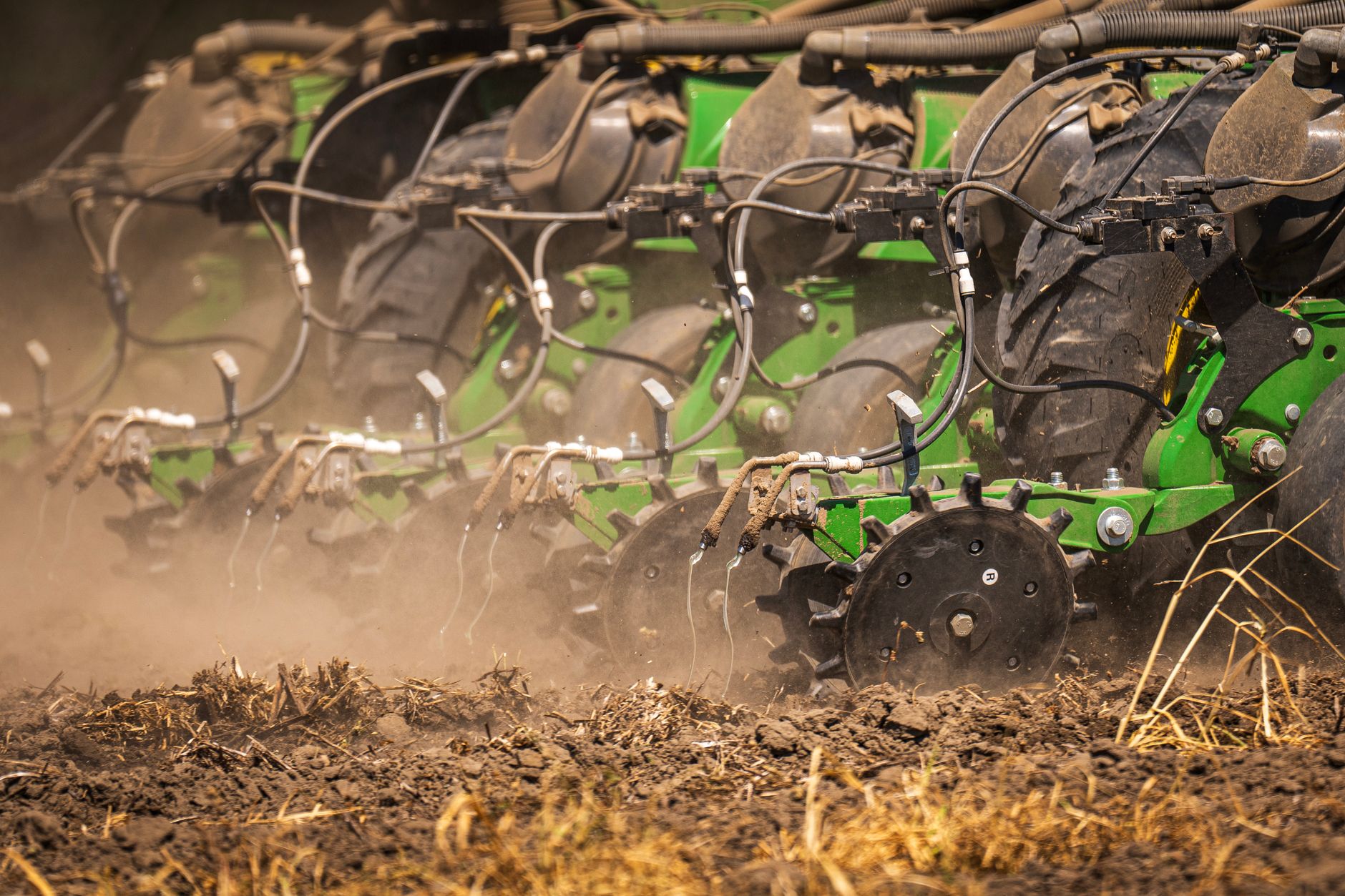
Agricultural operators and seed technology developers are rapidly re-engineering the foundational inputs of global food production to withstand unprecedented environmental volatility. According to analysis from Future Market Insights, the global market for resilient seed technologies and advanced crop genetics is entering a period of decisive expansion. Extreme heat events, shifting precipitation patterns, and emerging biological threats are compressing the timelines traditional growers rely on for crop adaptation. In response, private laboratories and university research centers are deploying gene-editing tools, biological coatings, and precision breeding techniques to ensure stable yields.
The economic stakes for the global restaurant industry and broad food service sector are substantial. Ingredient volatility over the last several harvest cycles has forced commercial kitchens to absorb dramatic price spikes across staple grains, oilseeds, and fresh produce. By developing crop strains capable of surviving extended droughts or sudden soil salinization, agro-tech firms are attempting to establish a baseline of predictability for global supply chains. Restaurant purchasing managers, long accustomed to seasonal supply swings, now confront a structural transformation in how agricultural commodities are bred and brought to market.
Modern seed technology has evolved far beyond basic selective breeding. Current research initiatives focus heavily on micro-encapsulation techniques, where seeds are coated with biological agents, beneficial microbes, and micronutrients that nourish the plant during its critical germination phase. These specialized coatings shield vulnerable embryos from early season dry spells while providing immediate protection against soil-borne pathogens. Research highlighted by Future Market Insights underscores that these biological seed treatments significantly reduce the need for synthetic chemical applications later in the growing cycle.
Simultaneously, genomic mapping tools are accelerating the identification of traits responsible for stress tolerance in wild crop relatives. Breeders can now pinpoint specific genetic sequences associated with deep root expansion, efficient water retention, and thermal resistance. Through precise gene editing, scientists can introduce these protective traits into high-yield commercial crop varieties without sacrificing flavor, texture, or processing quality. This convergence of bio-protection and accelerated breeding represents a massive shift from reactive pest management to proactive genetic resilience.
The cascading effects of crop failure extend far beyond the farm gate, directly influencing the bottom lines of dining establishments. When regional harvests succumb to unseasonal heat shocks, wholesale buyers face immediate shortages that cascade through distribution networks. Advanced seed technology aims to flatten these volatility curves by narrowing the gap between potential yield and actual harvest output under adverse conditions. Over time, consistent harvests reduce the need for emergency sourcing strategies that inflate menu prices and disrupt inventory forecasting.
However, the rapid commercialization of proprietary seed technologies introduces fresh economic dynamics for the agricultural sector. Developing advanced genetic traits requires capital-intensive research and development, costs that are frequently passed along to commercial growers. As seed costs rise, agricultural operations must evaluate the return on investment through the lens of risk reduction rather than pure volume increases. For broadline food distributors, the widespread adoption of resilient seeds offers a buffer against systemic inventory shortfalls, stabilizing baseline contract pricing for long-term supply agreements.
The global distribution of next-generation agricultural technology faces a complex patchwork of international regulatory frameworks. While some jurisdictions have streamlined approval processes for gene-edited crops that lack foreign DNA, other key trading blocks maintain rigorous monitoring protocols that delay market entry. Future Market Insights notes that harmonization of seed trade regulations will play a pivotal role in determining how quickly resilient crop varieties can achieve global scale. Without unified standards, regional supply disparities could persist even as technology advances.
Beyond regulatory compliance, physical deployment requires extensive regional testing to ensure that seed traits match specific microclimates and soil profiles. A heat-tolerant soy variety optimized for North American prairies may require secondary modifications to thrive in tropical soils. Agricultural extension services and corporate research teams are expanding field trial networks across South America, Africa, and Asia to validate performance metrics under real-world stress conditions. The speed at which these field trials transition to commercial availability will govern the near-term stability of global commodity trading desks.
For restaurant owners, operators, and culinary directors, the evolution of seed technology represents a structural shift toward supply security. As climate-induced crop failures become more frequent, purchasing desks will increasingly rely on suppliers who source from growers utilizing climate-resilient crop strains. While the specialized technology embedded within these advanced seeds may marginally increase baseline commodity costs, the broader effect is a reduction in catastrophic price spikes caused by localized weather events.
Culinary professionals should prepare for subtle shifts in ingredient characteristics as new crop varieties take market share. Advanced breeding programs increasingly prioritize shelf stability, yield integrity, and uniform processing metrics alongside stress tolerance. Menu planning strategies will benefit from improved year-round availability of core staples, allowing operators to maintain consistent pricing structures. Sourcing managers should engage directly with distributors to understand the origin and genetic resilience of their primary produce and grain inputs as these technologies redefine standard procurement practices.
Sources and methodology
Reported from the public datasets below.
More from the Foodie Pundit Newsroom
- Climate Resilient Seeds Emerges as Primary Defense for Global Food Supply
- Endless Endless Shrimp: Red Lobster Files Bankruptcy After All-You-Can-Eat Deal Backfires
- Supermarket Relief Arrives Unevenly as Key Grocery Staples Drop While Others Stay High
- Red Lobster Bankruptcy Signals End of Unlimited Dining Era
- Cultured Protein Technologies Prepare to Transform Restaurant Supply Chains