Cocktail Lounges Double Down on Aesthetic Design to Drive Nightlife Growth
The launch of stylized nightlife spaces like San Antonio's latest cocktail concept highlights how design driven business models are reshaping restaurant economi
By Foodie Pundit Newsroom - Published - Updated - Section: Wine Spirits
Key points
- High-concept visual design is becoming a primary driver for customer acquisition in urban nightlife.
- Upfront capital costs for stylized lounges are offset by premium beverage pricing and higher average checks.
- Organic social media sharing serves as a cost-effective replacement for traditional advertising channels.
- Long-term success requires balancing initial aesthetic appeal with consistent service and menu execution.
THE EVOLUTION OF VISUAL DRIVEN HOSPITALITY
The opening of high-concept venue space The Pink Room signals a broader shift in how modern cocktail lounges approach interior architecture and brand positioning. Local reporting from MySanAntonio highlights the venue as a prime example of design-first entertainment concepts gaining traction in competitive regional markets. Restaurant industry analysts point out that hospitality operations increasingly build their core identity around visual appeal, creating spaces specifically tailored for digital sharing. This design strategy seeks to leverage customer-generated content as a primary marketing tool, shifting capital expenditure from traditional advertising toward interior finishes, custom lighting, and immersive decor.
Historically, cocktail lounges prioritized beverage programing, service speed, and acoustic management to drive repeat visits. While those baseline operational standards remain vital, contemporary consumer expectations now demand a distinct aesthetic identity. Visual elements such as branded neon signage, monochromatic velvet upholstery, and sculptural bar fixtures are no longer secondary considerations. Instead, these decorative components function as essential infrastructure designed to attract demographic groups that view social outings through the lens of digital curation.
architectural investments of this nature reflect a calculated response to changing consumer behavior. Patrons frequently make dining and drinking choices based on visual previews available on media platforms long before setting foot inside an establishment. As a result, concept operators must ensure that every angle of the floorplan presents an appealing backdrop. By prioritizing high-impact aesthetics alongside beverage menus, venues like The Pink Room aim to secure immediate market visibility in crowded urban entertainment districts.
Building out a specialized visual lounge requires substantial upfront capital, often exceeding standard renovation budgets for traditional bars. Specialized materials, custom furniture fabrication, and professional architectural lighting designers contribute significantly to higher initial development costs. Operators must balance these heavy capital investments against expected returns, which rely heavily on sustained high-volume foot traffic and premium price points for food and beverage items.
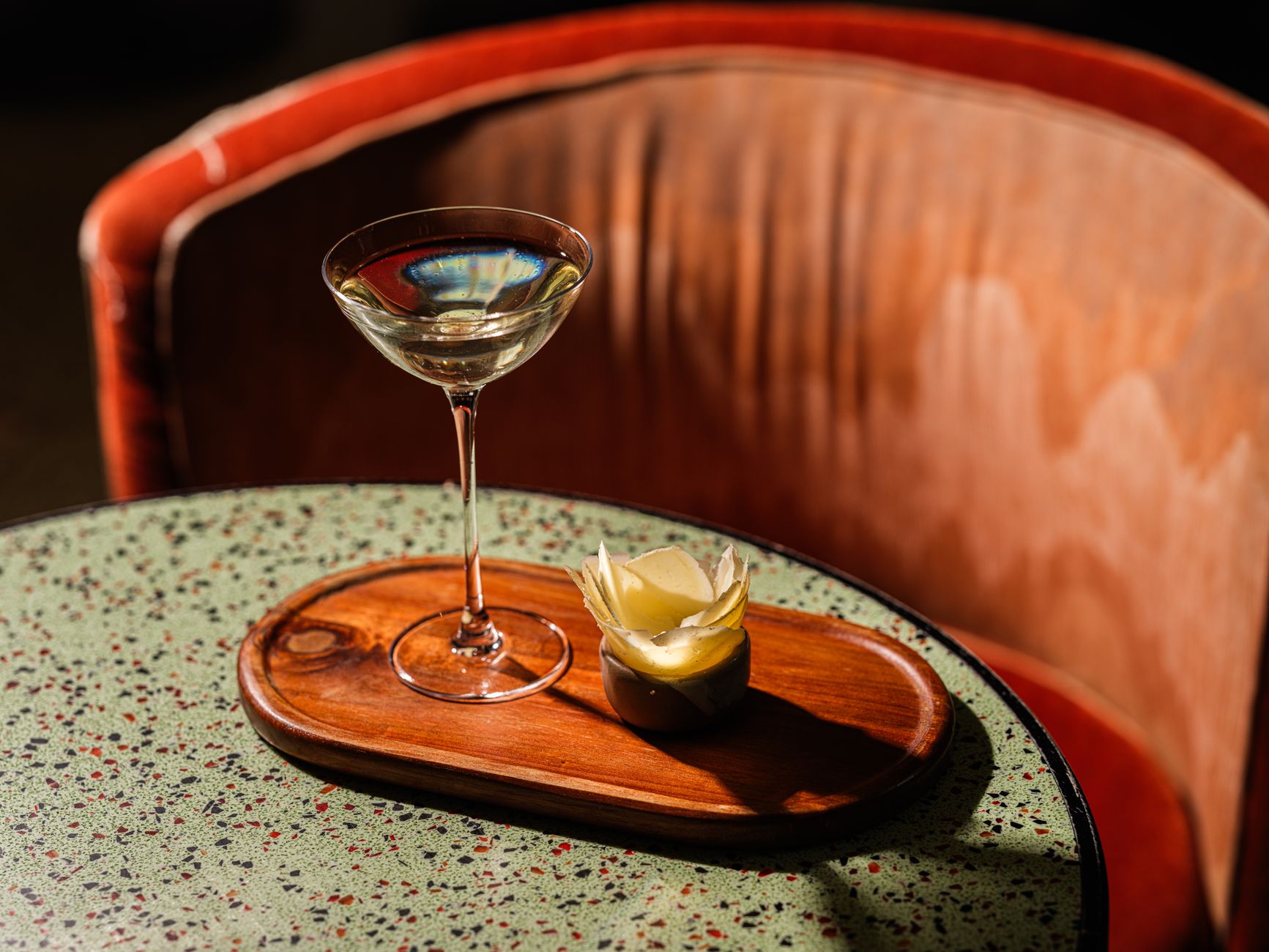
To offset elevated design costs, concepts centered on high visual impact typically deploy premium pricing strategies for signature cocktails and curated small plates. A drink menu in such an establishment often features complex presentation techniques, including artisanal ice, custom glassware, and elaborate garnishes that mirror the visual sophistication of the surrounding interior. This approach allows operators to achieve higher average check sizes, effectively monetizing the overall ambiance and physical setting provided to the guest.
However, design-driven business models present unique long-term financial challenges. Aesthetics that rely on trendy colors, specific design eras, or dramatic decorative elements run the risk of swift visual fatigue as consumer tastes evolve. Operators must factor periodic physical updates into their long-term financial planning to prevent the concept from feeling dated. The challenge lies in maintaining the core identity of the venue while continuously refreshing key visual touchpoints to encourage repeat visits from a fickle customer base.
MARKETING IMPACT AND SOCIAL MEDIA AMPLIFICATION
The strategic integration of aesthetic design into commercial hospitality acts as a force multiplier for organic brand outreach. When guests post photographs and short videos of their experience online, they function as unpaid brand ambassadors to their personal networks. This form of word-of-mouth marketing carries higher credibility among target consumers than traditional broadcast or print advertisements. Consequently, venues designed with distinct visual themes enjoy reduced reliance on paid promotional campaigns during their initial launch phases.
Local media outlets, including MySanAntonio, frequently cover these openings because visual concepts generate strong audience engagement. Press coverage amplifies the digital footprint of the establishment, creating a self-reinforcing cycle of public interest and social media activity. The initial surge in public attention helps drive high reservation volumes and initial profitability, which is critical for recouping early startup costs.
Despite the benefits of immediate visibility, reliance on digital promotion requires rigorous consistency across daily operations. A venue that promises a premium experience through highly polished promotional imagery must deliver matching standards in beverage quality, customer service, and hygiene. Discrepancies between the online persona of a lounge and the actual guest experience can lead to rapid public backlash on review platforms, undermining the initial marketing advantage gained through design.
THE BROADERING IMPLICATIONS FOR URBAN DINING DISTRICTS
The rise of dedicated aesthetic lounges highlights broader shifts within urban retail and nightlife economics. Municipal development zones often compete to attract unique entertainment concepts that draw foot traffic away from traditional residential areas into commercial corridors. High-concept venues serve as anchor destinations, increasing property values and encouraging complementary businesses like boutique hotels and upscale retail to settle nearby.
Furthermore, this trend reflects a fundamental shift in how consumers allocate discretionary spending within the experience economy. Modern patrons increasingly seek multi-sensory environments that offer more than simple food and liquid consumption. The physical venue itself becomes the central product, with beverage service functioning as an integrated component of a broader entertainment package.
As nightlife operators navigate an increasingly crowded market, the integration of distinct spatial design and curated hospitality will remain a defining strategy. Venues that successfully blend striking visual environments with sound operational fundamentals are best positioned to maintain long-term relevance. The ongoing success of concepts like The Pink Room demonstrates that design is no longer just decorative, but a fundamental driver of modern restaurant economics.
For the everyday consumer, the expansion of concepts like The Pink Room means a wider variety of immersive, visually engaging nightlife options in major metropolitan areas. You can expect to encounter highly stylized environments that offer unique backdrops for social gatherings and celebrations.
However, these enhanced sensory experiences often come with higher price points on cocktail and food menus to cover the elevated costs of interior design and maintenance. When planning a night out, patrons should weigh the value of unique aesthetic environments against their personal dining priorities, keeping in mind that high visual appeal often goes hand in hand with premium pricing strategies across the board.
Sources and methodology
Reported from the public datasets below.
More from the Foodie Pundit Newsroom
- The Pink Room Introduces High-Concept Design and Craft Cocktails to San Antonio Nightlife
- UK Food Inflation Settles At Elevated Baseline As Grocery Bills Remain High
- Casual Dining Chains Cut Dozens of Legacy Locations to Survive Cash Squeeze
- Casual Dining Wave Continues As Mid-Sized Chain Shutters 28 Locations
- Two Ingredient Dessert Craze Signals Broader Shift In Consumer Grocery Habits