Commercial Bakeries Pivot to Elevated Pastries to Boost Margins and Appeal to Modern Palates
Commercial bakeries are overhauling menu strategies to trade high-volume basic pastries for high-margin, artisanal hybrid creations.
By Foodie Pundit Newsroom - Published - Updated - Section: Restaurants
Key points
- Bakeries are redesigning classic baked goods with premium ingredients to justify higher retail prices amidst ingredient inflation.
- Texture innovations and global flavor profiles like ube, matcha, and yuzu are driving consumer demand across dayparts.
- High-concept pastries serve as organic marketing tools on social channels, lowering customer acquisition costs for operators.
- Operators are leveraging semi-automated equipment to maintain production efficiency while executing complex hand-finished details.
The commercial baking sector is currently experiencing a structural shift driven by rapidly evolving consumer taste preferences, high input costs, and changing retail distribution models. Bakeries across North America are pivoting away from standard product offerings to focus on high-margin, visually distinct, and sensory-rich items. Recent reporting from Bake Magazine highlights how craft bakeries and industrial wholesale operations alike are recalibrating their production lines to capture growing consumer demand for elevated pastry experiences.
This strategic pivot comes at a critical time for bakery operators facing sustained inflation in essential commodities like eggs, milkfat, and cacao. Traditional high-volume items such as basic chocolate brownies or standard white bread loaves yield increasingly thin margins under current economic conditions. By transforming simple baked goods into premium hybrid creations, operators can justify higher retail price points while maintaining reasonable ingredient cost ratios.
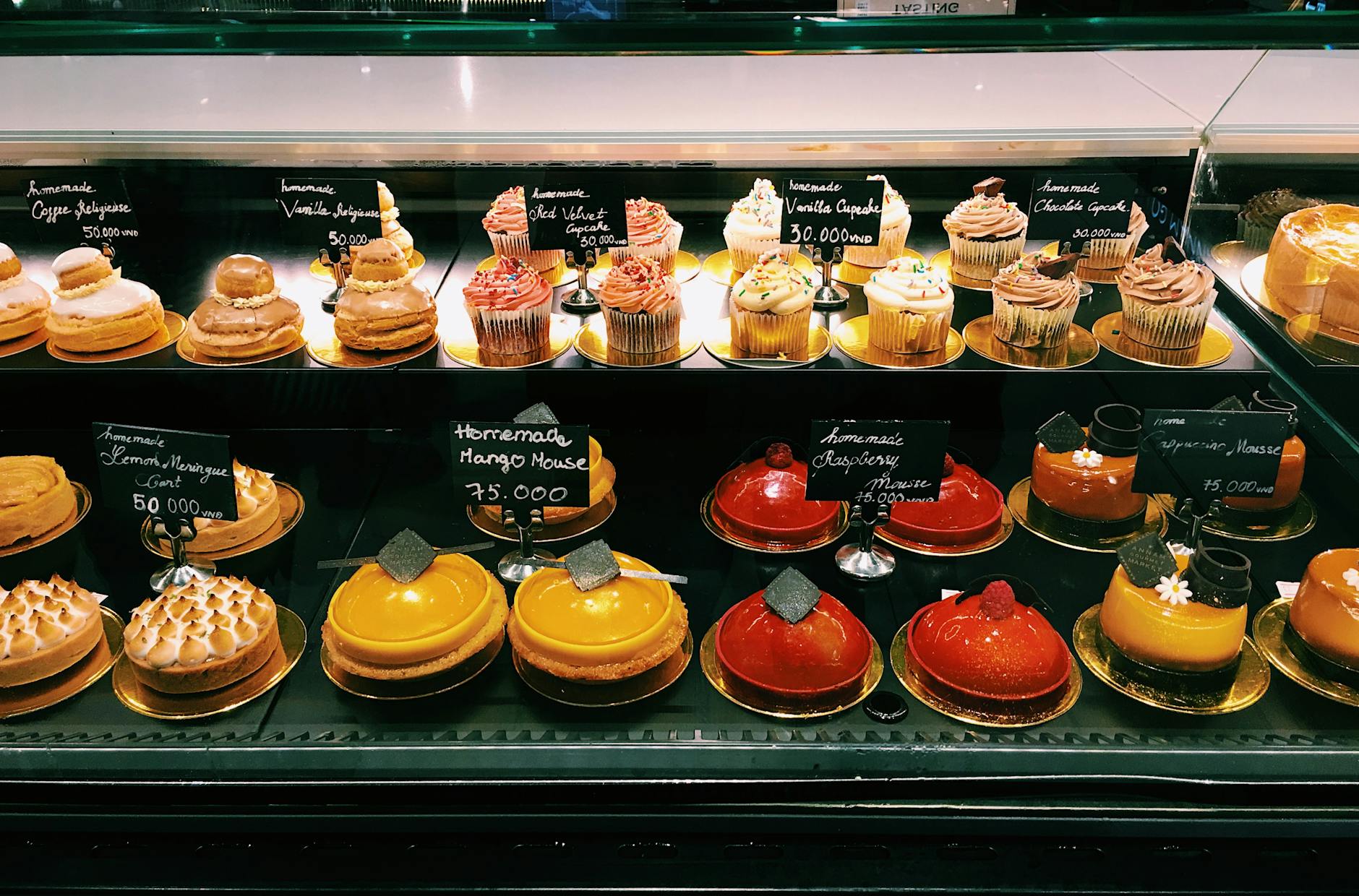
The primary driver of the current pastry transformation is the strategic redesign of established baked goods. Operators are taking foundational recipes and infusing them with complex textures, unexpected fillings, and artisanal finishes. Brownies, for example, are being updated with botanical infusions, single-origin dark chocolate, textured crusts, and sea salt drizzles. This approach allows bakeries to utilize existing production equipment while offering products that command premium pricing on restaurant menus and retail counters.
Texture innovation has emerged as a major focus for commercial research and development teams. Modern consumers are demonstrating a clear preference for items that offer multi-sensory experiences, such as combining flaky laminated doughs with dense, creamy fillings. Laminated baked goods are no longer restricted to traditional morning croissants; they are now being adapted into savory lunch options and decadent evening desserts. This versatility enables bakeries to extend their operational hours and capture sales across multiple dayparts.
Flavor innovation in the baking industry is currently split between nostalgic comfort and global exploration. Consumers continue to seek familiar comfort foods, but they expect these treats to feature sophisticated twists. Swirling global spices such as cardamom, ube, matcha, and black sesame into traditional doughs has proven highly successful in urban markets. These vibrant additions also provide natural color variations that enhance visual appeal without the use of artificial additives.
Furthermore, tart and botanical profile pairings are gaining significant traction in retail environments. Citrus varieties such as yuzu, passion fruit, and Meyer lemon are increasingly paired with floral notes like lavender or hibiscus. These combinations offer a refreshing contrast to heavy sugar bases, appealing to health-conscious consumers who desire indulgence without excessive sweetness. Bakeries that effectively market these complex flavor profiles are seeing higher repeat purchase rates among younger demographic groups.
Transitioning to high-concept pastry lines requires precise supply chain management and skilled labor adjustments. Sourcing specialized ingredients such as single-origin cocoa, specialty flours, and exotic fruit purees can introduce volatility into supply chains. Bakery managers are forced to build stronger relationships with niche suppliers and adjust inventory practices to manage shorter shelf-life expectations for fresh, additive-free products.
Labor dynamics present another key challenge for operators moving toward premium product lines. Crafting complex hybrid pastries often requires specialized bench work and technical knowledge that automated equipment cannot easily replicate. To mitigate labor shortages, many facilities are adopting semi-automated solutions where machine efficiency handles heavy dough mixing and sheeting, leaving intricate finishing details to trained staff. This hybrid operational strategy maximizes output while maintaining an artisanal aesthetic.
Visual presentation has become just as critical as flavor development in modern bakery strategy. The surge in consumer interest documented by Bake Magazine aligns with the dominance of social media platforms as primary marketing channels for food service operations. Products that feature striking cross-sections, glossy glazes, or unusual structural shapes generate natural organic reach. Operators are explicitly designing new menu items with visual shareability in mind to reduce direct customer acquisition costs.
Packaging innovation is similarly evolving to support these delicate, high-end products. As off-premise dining and delivery services remain a standard portion of retail bakery sales, sturdy and eco-friendly packaging is essential. Bakeries are investing in custom window boxes and temperature-controlled containers to ensure that intricate top crusts and delicate cream fills arrive intact. Preserving the aesthetic integrity of the product during transit is critical to maintaining consumer trust and premium brand positioning.
For retail consumers, the ongoing evolution of commercial baking means access to higher quality ingredients and far more inventive dessert options at neighborhood bakeries and grocery counters. While prices for these premium goods will reflect higher production costs, shoppers can expect superior flavor profiles and better overall craftsmanship.
For restaurant managers and bakery owners, adapting to these product trends is quickly becoming a operational necessity rather than a fleeting option. Menu expansion into elevated classic pastries allows operators to protect gross profit margins against rising commodity costs. Businesses that invest in staff training, strategic ingredient sourcing, and visually appealing product designs will be best positioned to capture consumer spending in a competitive market environment.
Sources and methodology
Reported from the public datasets below.
More from the Foodie Pundit Newsroom
- Fast Casual Restaurants Outpace Full Service Sector as Consumer Preferences Shift Toward Speed and Quality
- Younger Diners Become Primary Growth Engine for Restaurants Navigating Economic Headwinds
- Chick-fil-A Overhauls Flagship Chicken Sandwich for First Time in Decades
- McRib Return Signals Fast-Food Shift Toward Strategic Value Pricing
- Supermarket Shoppers Face Persistent Inflation As Grocery Costs Continue To Climb