Costco Expands Specialty Deli Lineup With Budget Friendly Dip Option
Warehouse shoppers are flocking to a newly featured specialty dip that delivers gourmet flavor at a low price per ounce.
By Foodie Pundit Newsroom - Published - Updated - Section: Food Prices
Key points
- Costco has introduced a new refrigerated specialty dip priced under ten dollars, targeting budget-conscious snack buyers.
- The warehouse retailer uses a curated inventory approach to create product urgency and drive store foot traffic.
- Bulk packaging reduces container costs per ounce, allowing warehouse clubs to undercut standard supermarket dip prices.
- Consumer preferences are shifting away from basic spreads toward richer, specialty flavor profiles.
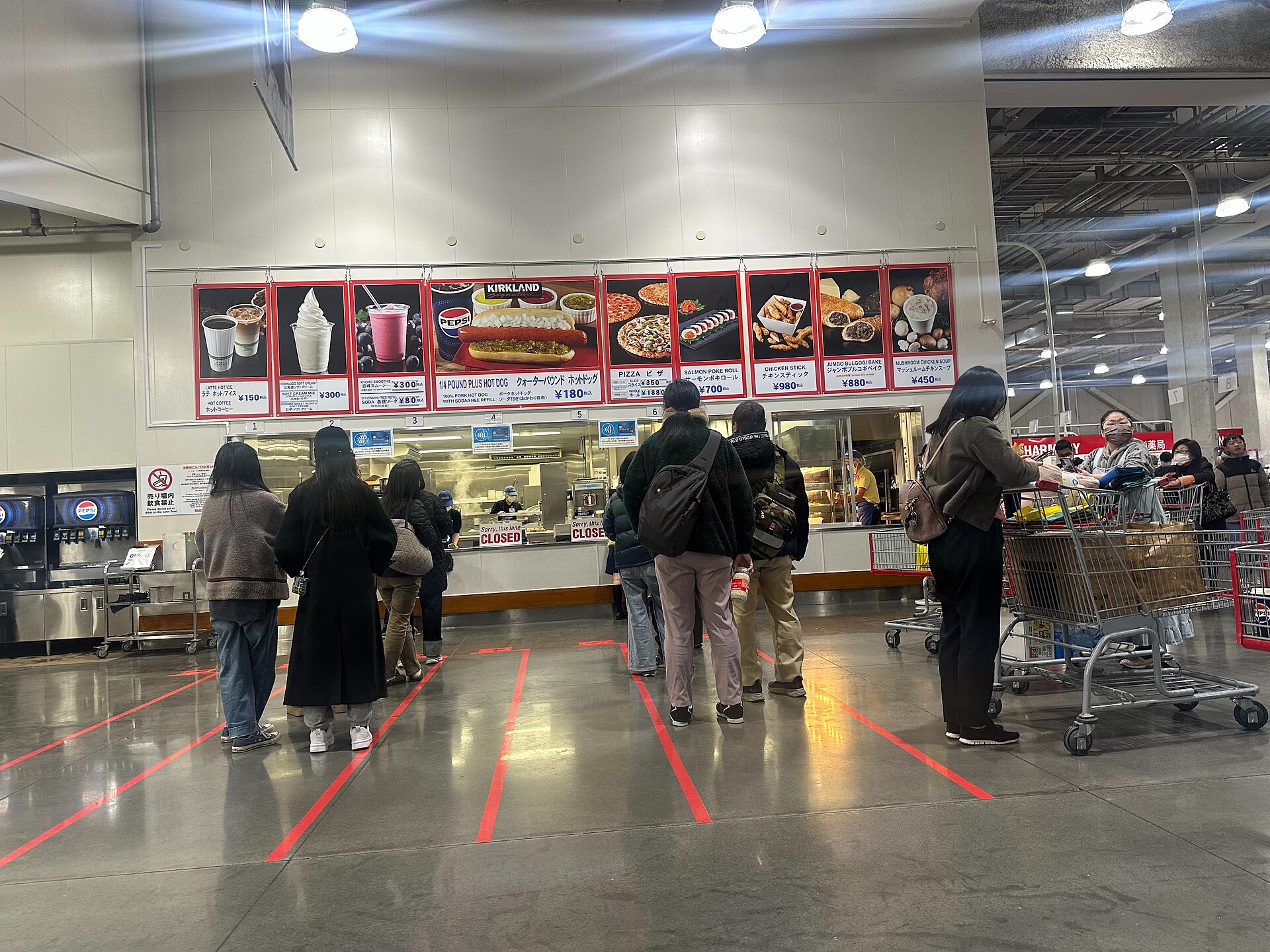
Warehouse club giant Costco has built a massive cult following around its wholesale food offerings, ranging from its iconic food court hot dogs to its rotating selection of refrigerated party dips. The retailer has recently sparked renewed excitement among grocery shoppers with the national rollout of a new savory dip option priced at under 10 dollars. Mashed reports that the new item is quickly gaining traction among consumers looking for affordable, crowd-pleasing snack options that rival traditional staples like hummus and salsa.
The strategic timing of this product launch highlights how bulk retailers leverage high-margin impulse food purchases to keep foot traffic high during unpredictable economic periods. By introducing novelty spread products in generous tub sizes, Costco reinforces its reputation as a value leader while capturing premium snack dollars. Shoppers frequently turn to online communities to track these specialized inventory arrivals, creating organic promotional momentum that drives immediate store visits.
The overall market for packaged dips and spreads has undergone significant expansion over the past decade. While Mediterranean classics such as traditional chickpea hummus and roasted garlic spreads once dominated the market share, consumer tastes have shifted toward bolder and richer profile offerings. Creams, aged cheeses, and spicy vegetable blends are increasingly popular as daily snack options rather than special occasion appetizers.
Costco has consistently capitalized on these evolving palate preferences by partnering with specialty food manufacturers to deliver high-end deli items at a fraction of standard supermarket costs. By offering large-format containers that cost around nine dollars, the chain creates a compelling price per ounce narrative that appeals to budget-conscious families and party hosts alike. Smaller specialty stores often struggle to match these economies of scale, giving club outlets a major competitive advantage in the deli aisle.
The economic engine behind Costco success lies in its disciplined stock keeping unit strategy. Unlike standard grocery stores that stock tens of thousands of individual products, Costco maintains a lean inventory of roughly four thousand carefully selected items. Every product on the floor must justify its shelf space through rapid sell-through rates and strong customer demand.
When a new refrigerated dip lands on store shelves, it undergoes a rigorous evaluation period. Products that fail to meet volume targets are quickly rotated out, which creates a natural sense of urgency among buyers who know their favorite limited-time items might vanish without warning. This rotation keeps the shopping experience dynamic and encourages frequent store visits, as members browse the refrigerated cases to discover fresh additions alongside their routine household purchases.
Maintaining a steady supply of perishable dip products across hundreds of warehouse locations requires a highly optimized cold chain infrastructure. Costco works closely with regional suppliers and central distribution hubs to ensure maximum freshness while minimizing food waste. This streamlined logistics operational model allows the company to absorb sudden spikes in demand sparked by viral social media attention.
Furthermore, bulk packaging plays a critical role in preserving profit margins for both the retailer and the supplier. By selling dip products in multi-serving containers rather than small single-serve tubs, the cost of packaging material per ounce drops significantly. These savings are passed directly to the end buyer, reinforcing the warehouse club value proposition in a highly competitive grocery landscape.
Traditional supermarket chains face growing pressure from bulk retailers in the specialty refrigerated category. Mainstream grocery stores often rely on high manufacturer slotting fees to monetize shelf space, which can disincentivize smaller gourmet producers from launching innovative dip items. In contrast, warehouse clubs focus on high-volume wholesale agreements that allow smaller brands to scale up production rapidly.
Mashed notes that as consumer inflation alters spending habits, shoppers are scrutinizing their grocery receipts far more closely than in previous years. Premium dips purchased at traditional grocery stores often carry hefty price tags relative to their container size. The introduction of substantial, nine-dollar alternatives at warehouse outlets effectively shifts consumer perception, establishing bulk retail as the preferred destination for high-end snacking on a budget.
For the average household budget, the proliferation of low-cost luxury snack options at warehouse clubs offers a practical way to manage entertainment expenses. Purchasing high-volume gourmet dips allows hosts to cater social gatherings or elevate weekday lunch routines without overspending at specialty deli counters. The key strategy for consumers is to evaluate actual usage rates before purchasing oversized perishable goods, ensuring that bulk savings are not lost to domestic food waste.
As grocery inflation continues to influence shopping patterns, keeping an eye on rotating specialty food items at warehouse stores can yield substantial savings. By comparing the price per ounce of wholesale dips against traditional supermarket offerings, shoppers can identify genuine value buys. Leveraging these affordable gourmet options provides a cost-effective method to maintain quality meals and snacks while adhering to strict family budgets.
Sources and methodology
Reported from the public datasets below.
More from the Foodie Pundit Newsroom
- Viral Spicy Noodle Craze Reshapes Packaged Food and Restaurant Economics
- Ozempic stomach side effects shrink restaurant checks
- Fifty Year Old California Restaurant Closes Doors Amid Industry Headwinds
- Precision Agriculture Stabilizes Restaurant Supply Chains and Enhances Menu Sustainability
- How Precision Ag Is Reshaping Wholesale Food Costs and Kitchen Yields