Costco's fight with chubb redefines who pays for store boo-boos
Costco's fighting an insurance giant over a customer injury, and this legal battle could change who pays when your favorite food brand's stuff causes a store
By Foodie Pundit Newsroom - Published - Updated - Section: Policy Regulation
Key points
- Costco is suing Chubb to force coverage for a personal injury claim under a supplier's insurance policy.
- Chubb argues the injury was unrelated to the supplier's products and wants the lawsuit dismissed immediately.
- The ruling could significantly increase insurance costs and barriers to entry for smaller food and beverage brands aiming for retail distribution.
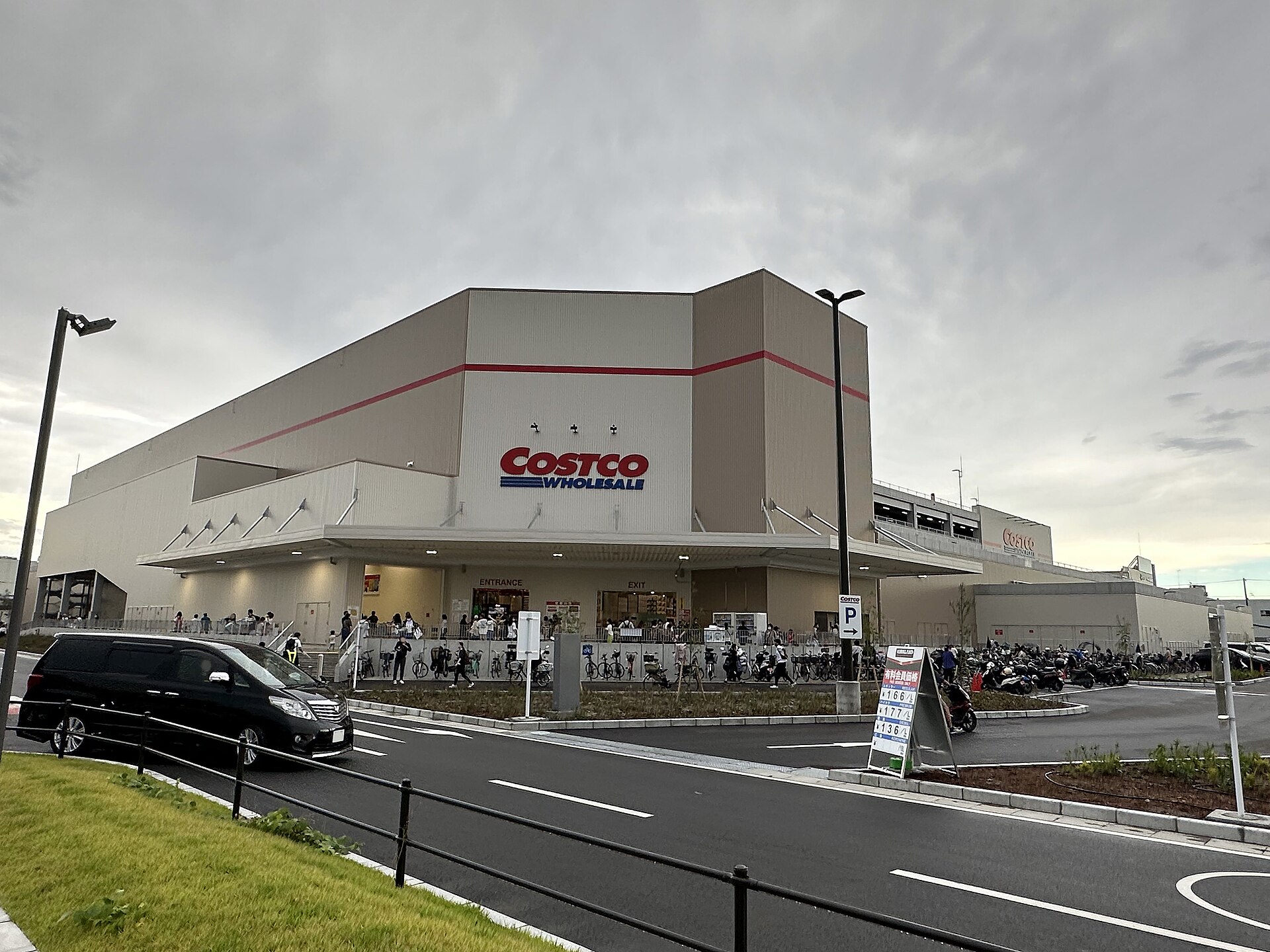
When you think of Costco, you probably think of $1.50 hot dog combos, massive rotisserie chickens, and the sheer joy of finding a gallon-sized jar of pickles. However, behind the scenes of the world's favorite bulk-buy paradise, a massive legal battle is brewing that highlights the messy reality of corporate insurance. Costco is currently locked in a high stakes showdown in Washington federal court with Chubb, one of the world's largest insurance providers.
The core of the dispute? A disagreement over who is responsible for paying out a personal injury claim. Costco argues that they should be covered under an insurance policy held by one of their home décor suppliers.
Chubb, acting as the insurer for that brand, is essentially telling Costco to figure it out themselves. They have formally urged the court to toss Costco's lawsuit, claiming that the retailer failed to prove that the customer's injuries had anything to do with the specific products provided by the home décor brand. While this might sound like a dense battle over contract clauses, it represents a massive shift in how big box retailers manage risk, and the ripple effects could change everything from the price of your bulk snacks to how local food brands get their products onto Costco shelves. Who Is On The Hook
The defendants in this specific legal maneuver are Chubb and Costco. To understand why this is a big deal, we have to look at the "Additional Insured" status. In the world of retail, big players like Costco do not just buy products. They demand that their suppliers name Costco as an "additional insured" on their insurance policies. This is a standard move designed to protect the retailer if a product causes harm.
In this case, a customer was injured at a Costco location. Costco tried to trigger the insurance coverage of a home décor brand that sells through the warehouse. Chubb, representing that brand, is refusing to bite.
They argue that the injury did not arise from the brand's products, operations, or presence. If Chubb wins, Costco is left holding the bag for the personal injury claim. If Costco wins, it reinforces a precedent that retailers can lean on supplier insurance for a wide range of incidents occurring near or around specific branded displays.
For independent food and beverage makers who dream of one day seeing their jerky or cold brew in a Costco aisle, this case is a loud warning about the "fine print" of retail partnerships. Costco's lawsuit starts hot
The drama started with a personal injury action. While the specific details of the customer's mishap were not the focus of this motion to dismiss, the legal technicality is what matters. Costco sued Chubb for failing to provide coverage. Chubb's defense is a textbook example of "it is not my problem."
Chubb's legal team argued that for Costco to be covered under the home décor brand's policy, there needs to be a direct "causal nexus" between the injury and the brand. In plain English, if someone trips over a pallet of pillows, the pillow company's insurance might pay. But if someone slips on a spilled sample of nacho cheese three aisles away from the pillows, the pillow company's insurance should not be touched.
Chubb claims that Costco's lawsuit failed to state a claim because the underlying injuries simply are not related to the brand's products. This is a classic industry standoff. Retailers want the broadest possible protection, while insurers want to narrow the scope of their liability as much as possible.
For transparency, it is important to note that this is not just about one injury. It is about who controls the "safety net" in a massive retail environment. Financial Fallout
The financial stakes here are layered. First, there is the immediate cost of the personal injury settlement or judgment. While we do not have a public dollar amount for this specific injury, these claims in a high volume environment like Costco can easily reach six or seven figures depending on the severity of the medical bills and long term care required.
Second, there are the legal fees. Fighting an insurance giant like Chubb in federal court is an expensive exercise, even for a company as wealthy as Costco. But the real "corporate tea" is the potential for rising premiums. If insurers like Chubb are forced to cover more "generalized" accidents at retail locations, they will inevitably hike the premiums for the brands they insure.
For a massive home décor company, a premium hike is a line item. For a mid sized food manufacturer or a local beverage startup trying to scale, an increase in insurance costs can be the difference between a profitable quarter and going into the red. When insurance becomes more expensive for the supplier, those costs eventually trickle down to the consumer. That $5 rotisserie chicken stays $5 through a miracle of supply chain management, and a surge in liability costs threatens that delicate balance. Big Tobacco Parallels
You might be wondering what a slip and fall case has to do with Big Tobacco. In the legal world, the "duty to defend" and "duty to indemnify" are the same battlegrounds where the historic tobacco lawsuits were fought. Decades ago, companies fought over who was liable for the long term health risks of products and who had to pay for the legal defense.
While a customer injury at Costco is not a public health crisis on the scale of nicotine addiction, the legal strategy is eerily similar. It is about shifting risk. Just as Big Tobacco tried to isolate liability, we are seeing a trend where massive retail platforms are attempting to offload all operational risks onto their smaller partners.
If a retailer can successfully shift the cost of every store accident onto the insurance policies of the brands on their shelves, they effectively insulate their own profit margins from the realities of physical retail risks. It is a game of hot potato where the person left holding the bill is usually the one with the least amount of leverage. Why this matters for your spot
You might think, "I run a local bistro or a craft soda brand, why does a Costco insurance row matter to me?" It matters because Costco sets the standard for the entire industry.
1. The Barrier to Entry: If Costco loses this case and insurers start demanding even stricter terms, it will become harder for local food brands to get into the "big leagues." If a small hot sauce company has to carry a multi million dollar insurance policy that also covers "generalized retail incidents" just to get a spot on the shelf, many will simply be priced out of the opportunity.
2. The "Platform" Risk: Just like DoorDash or UberEats, Costco is essentially a platform. This case is part of a larger trend of platforms trying to distance themselves from the risks associated with their physical or digital spaces.
If you are an independent restaurant owner using a third party delivery app, you have already seen this. When something goes wrong with the delivery, the app often points the finger at the restaurant, and vice versa.
3. Consumer Prices: Inflation is already the biggest buzzword in food. When retailers and suppliers spend millions fighting over insurance coverage, that cost is eventually baked into the price of the goods. For the local foodie, this means your "affordability hacks" at big box stores might slowly disappear under the weight of corporate litigation costs. What the judge does next
The case is currently pending in a Washington federal court. The judge will have to decide if Costco's claim is strong enough to move forward to discovery or if Chubb's motion to toss the suit has merit.
If the judge tosses the case, it is a win for insurance companies and a signal to retailers that they cannot use supplier policies as an all purpose shield for store accidents. Costco will likely have to foot the bill for the injury and rethink how they word th
We keep our own count of what this runs on a menu. Across 18,982 menu readings we logged in 387 cities, the middle price for a restaurant plate sits at $9.00. Those are our readings, off menus we watch, and they are the yardstick we measure this against.
Sources and methodology
Reported from the public datasets below.
More from the Foodie Pundit Newsroom
- Restaurants Exit Challenging Locations Amidst Soaring Operating Costs
- That "Healthy" Green Powder on Your Counter Might Be a Salmonella Smoothie in Disguise
- Your dinner will get new, thanks to tech and climate adaptation
- Cognac market hits $6 billion, boujee restaurant drinks next
- Cognac hit $6 billion as fancy drinks boom