Culinary Spread Trend Transforms Pantry Staples into High-Margin Menu Highlights
Viral butter boards are reshaping home entertainment and giving restaurant operators a high-margin appetizer option.
By Foodie Pundit Newsroom - Published - Updated - Section: Social Virality
Key points
- Butter boards offer a low-cost, high-aesthetic alternative to traditional charcuterie displays.
- Restaurants are capitalizing on the viral trend to create high-margin, interactive appetizer courses.
- Proper surface selection and temperature control are vital for maintaining food safety standard practices.
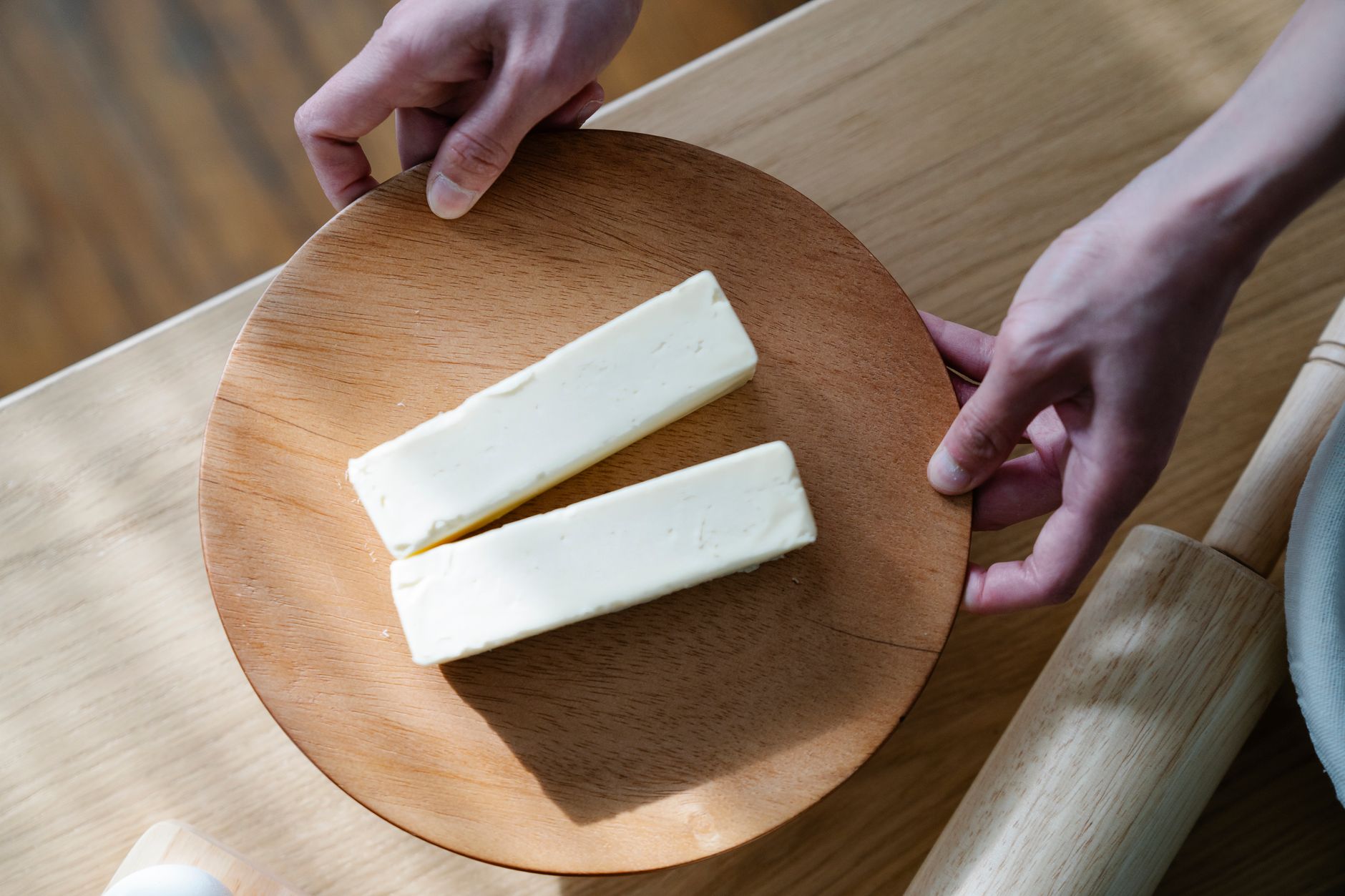
Social media feeds across the globe have found a new focal point in the culinary world, shifting away from elaborate cured meat displays toward softened dairy. According to recent reporting by The Independent, butter boards have rapidly emerged as a dominant viral food phenomenon. The trend involves smearing generous amounts of high-quality softened butter across a wooden cutting board, followed by a decorative layering of coarse sea salt, herbs, edible flowers, citrus zest, and sweet drizzlings such as hot honey or fruit preserves. Diners then use warm crusty bread, radishes, or crackers to scoop the softened compound directly from the shared surface.
While the concept appears tailored specifically for modern algorithmic feeds, the foundational technique relies on age-old restaurant practices. Professional kitchens have long utilized compound butter, whisking in garlic, herbs, or spices to elevate bread service without incurring significant food costs. The viral repackaging of this concept translates a high-end dining room amenity into an accessible home entertainment centerpiece. By emphasizing aesthetic plating and interactive dining, the trend bridges the gap between low-cost pantry staples and visual luxury, driving massive engagement across visual platforms.
The rapid adoption of butter boards highlights several underlying shifts in consumer behavior and food service economics. Inflationary pressures on premium groceries have made traditional charcuterie boards increasingly expensive to assemble for social gatherings. Cured meats, artisanal cheeses, and imported specialty items carry high wholesale costs that can quickly balloon a host budget. Butter, even when sourcing super-premium European or cultured varieties, offers a substantially lower cost per serving while still delivering a perception of indulgence and rich flavor.
Additionally, the visual nature of compound dairy displays aligns perfectly with contemporary digital video formats. Watching softened butter spread smoothly across a textured wooden surface creates a sensory, tactile appeal that captures user attention in crowded digital feeds. The contrast of vibrant green herbs, red chili flakes, and golden honey against a pale cream base provides an ideal canvas for content creators seeking high engagement. This organic promotion has led to a surge in demand for specialty butter brands, artisan bakeries, and unique wooden serving boards.
Commercial dining establishments are taking close notice of the digital phenomenon and adapting it for their own menus. Restaurant operators face ongoing margin compression due to rising labor costs, elevated energy bills, and fluctuating wholesale ingredient prices. Introducing shared butter displays or elevated bread courses presents an attractive opportunity to capture high-margin menu items while enhancing the overall guest experience. A well-executed butter board requires minimal prep labor, utilizes low-cost raw materials, and commands a premium price point when marketed as an artisanal appetizer.
Chefs are expanding on the basic viral premise by incorporating sophisticated flavor profiles that align with regional cuisine trends. Establishments are experimenting with roasted marrow infusions, smoked sea salts, fermented garlic pastes, and seasonal fruit reductions integrated into cultured butter bases. Serving these elevated spreads alongside house-made sourdough or heirloom grain flatbreads allows restaurants to turn a traditionally free table gift into a profitable, billable course. The shared nature of the dish also encourages group dining and higher spend per table.
OPERATIONAL CONSIDERATIONS AND SANITATION
Despite the viral enthusiasm, the trend has sparked debate among hospitality professionals regarding food safety and presentation logistics. Wooden boards are naturally porous, raising potential concerns about sanitation when oil and dairy melt into fine cracks over extended periods of time. Health inspectors and food safety experts emphasize the critical importance of proper board maintenance, sanitization, and temperature control. Softened butter must not remain at ambient room temperature for excessive lengths of time, particularly in commercial environments with high guest turnover.
To mitigate operational risks, many professional venues are adopting non-porous alternative surfaces for public service. Slate tiles, glazed ceramic platters, marble slabs, and polished stone boards provide the same striking visual aesthetic while offering superior cleanability and temperature retention. Chilling the base platter before applying the room-temperature butter helps maintain structural integrity throughout a meal. These operational adjustments allow venues to capitalize on viral consumer interest while adhering strictly to commercial health codes.
For everyday consumers and home hosts, the butter board movement provides a creative, budget-friendly alternative to expensive party appetizers. You can achieve an impressive, high-end presentation without purchasing costly cured meats or obscure imported cheeses. Utilizing high-fat, cultured, or salted butter as your base ensures a superior flavor profile that pairs effortlessly with simple, fresh ingredients from your local market.
When planning your own spread at home, prioritize food safety and proper prep techniques. Choose a dedicated, well-sealed cutting board or opt for a stone platter that can be thoroughly sanitized after use. Soften your butter at room temperature naturally rather than using a microwave, ensuring a smooth, uniform texture that spreads easily without liquefying. Keep dipping items sturdier than basic crackers to prevent breakage when scooping, and serve immediately to maintain optimal freshness.
For restaurant diners, expect to see an increasing number of creative bread and butter offerings on modern menu listings. As venues seek innovative ways to manage food costs while delivering memorable dining moments, high-concept dairy displays will continue to evolve beyond social media screens into permanent dining room fixtures.
Sources and methodology
Reported from the public datasets below.
More from the Foodie Pundit Newsroom
- Viral TikTok Formats Drive New Wave of Sweet Menu Innovations Across Food Service
- Culinary Mentorship Takes Center Stage as Next Level Chef Welcomes Back Nyesha Arrington
- How Low Effort Snack Meals Are Reshaping Restaurant Menus and Grocery Aisles
- Snack Makers Revisit Formulae and Packaging Ahead of Strict 2026 Marketing Standards
- Next Generation Dessert Menus Trade Pure Sugar for Complex Savory Profiles