Data Analytics and Automated Field Management Revolutionize Commercial Farming Economics
Advanced data analytics and targeted automated systems are helping commercial farms maximize yield stability while reducing operational costs and environmental
By Foodie Pundit Newsroom - Published - Updated - Section: Agriculture Supply
Key points
- Data analytics and connected field sensors optimize chemical, seed, and water usage on commercial farms.
- Targeted visual recognition sprayers reduce herbicide usage by up to eighty percent in trial environments.
- Enhanced yield stability cushions restaurant supply chains and food service buyers against extreme price swings.
- Digital operational logs provide farm managers with lower risk profiles for lenders and insurers.
The modern agricultural landscape is undergoing a dramatic structural shift, driven by data analytics and automated field management tools. Farmers across North America and Europe are increasingly abandoning traditional calendar-based planting schedules in favor of hyper-local digital monitoring systems. According to recent reporting by Times Union, these automated agricultural technologies are helping commercial growers optimize crop yields while simultaneously reducing environmental footprints.
For decades, commercial farming relied heavily on standardized chemical applications and broad historical weather patterns to guide decision-making. Today, networked field sensors and machine vision systems allow growers to monitor individual plants, soil moisture dynamics, and nutrient balances in real time. This micro-level oversight allows farms to operate with unprecedented precision, cutting input costs while boosting overall productivity.
The integration of advanced software in field operations marks a departure from conventional machinery upgrades. Rather than simply deploying larger tractors or wider sprayers, agricultural enterprises are investing in digital infrastructure that connects soil sensors, autonomous drones, and smart irrigation networks. This network effect transforms raw environmental data into immediate operational directives for field managers.
The primary financial driver behind this technological transition is yield optimization. Modern algorithmic modeling can predict localized weather anomalies, pest outbreaks, and plant disease vectors days before visual symptoms appear. By identifying vulnerabilities early, growers can execute targeted interventions that protect vulnerable acreage without wasting valuable chemical inputs.
According to industry data highlighted by Times Union, farms utilizing high-tech monitoring solutions report significant efficiency gains across major crop lines. Precision fertilizer deployment, guided by satellite imagery and ground sensors, ensures nutrients are delivered precisely where needed. This approach prevents chemical runoff into local watersheds while maximizing biomass development during critical growing phases.
Water management represents another critical area of financial and operational return. Autonomous irrigation systems analyze atmospheric humidity, soil tension levels, and multi-day meteorological forecasts to deliver exact water volumes to specific field zones. In regions facing persistent drought conditions or strict regulatory limits on groundwater extraction, these digital water management tools are proving essential for commercial survival.
CLIMATE RESILIENCE AND ENVIRONMENTAL STABILITY
Climate volatility has emerged as one of the single greatest risks to global food production, creating unpredictable growing windows and extreme weather events. Automated monitoring systems assist farmers in adapting to these changing environmental conditions by identifying climate-resilient crop varieties and ideal planting windows. By processing vast streams of historical and current meteorological data, operational models reduce the uncertainty associated with shifting seasonal patterns.
Soil health preservation sits at the center of these environmental initiatives. Automated tillage mapping and cover crop management software help agricultural enterprises maintain soil organic matter, reduce erosion, and capture carbon. Healthy soils retain water more effectively and require fewer synthetic additives, creating a self-reinforcing cycle of sustainability and economic efficiency.
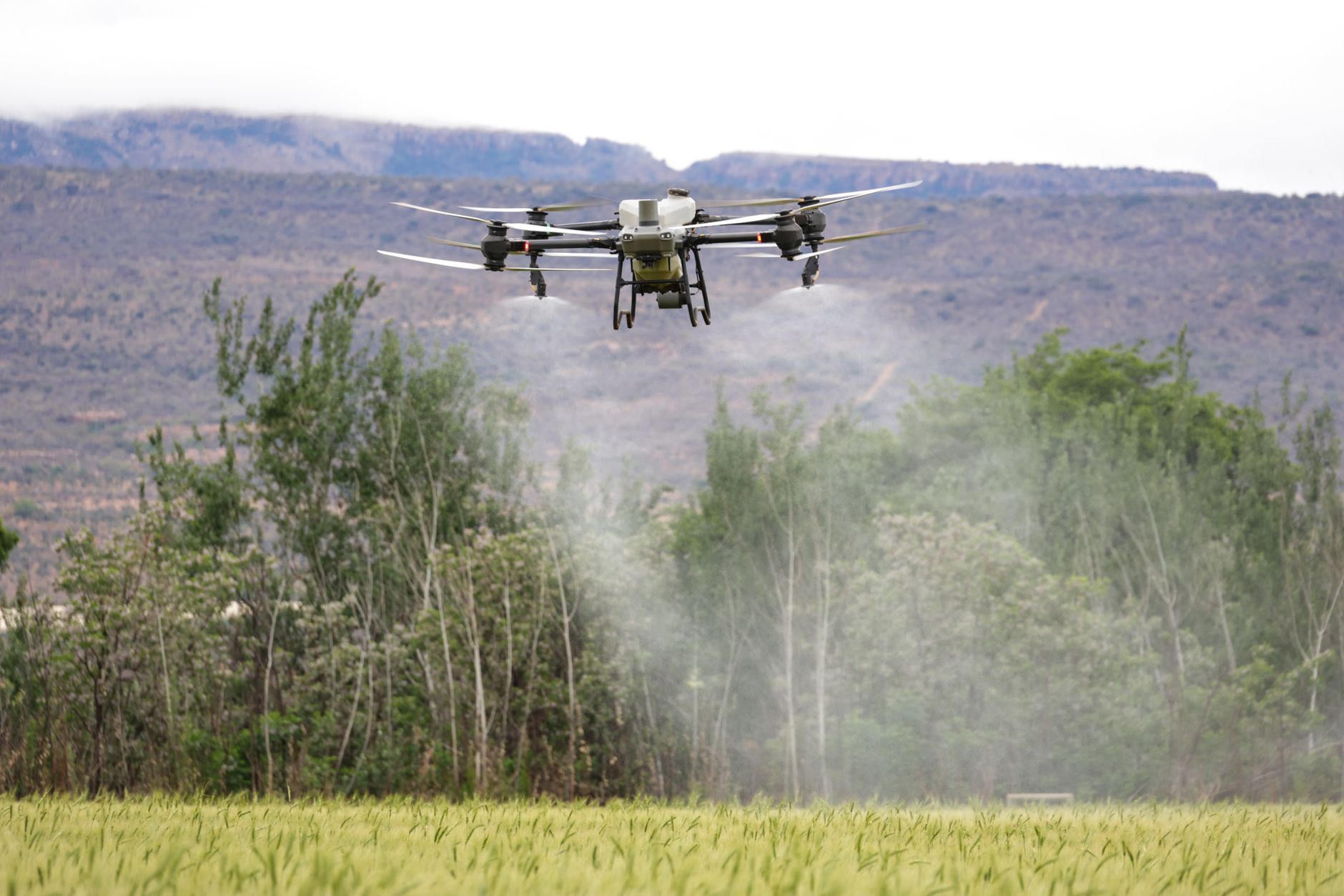
Pest management has similarly evolved from broad chemical treatments to highly targeted interventions. Autonomous visual recognition equipment mounted on field equipment can distinguish between crop plants and competitive weeds at high speeds. These smart sprayers apply herbicides exclusively to designated target weeds, reducing overall chemical use by up to eighty percent in documented field trials.
The economic impact of agricultural automation extends directly to farm balance sheets. Rising labor costs, fluctuating fuel prices, and expensive raw inputs have severely compressed profit margins for mid-sized and large agricultural operations. Automated field management helps offset these pressures by decreasing overall equipment run times, optimizing fuel consumption, and reducing total chemical expenditures.
Autonomous field machinery, including self-navigating tractors and crop-scouting drones, reduces reliance on seasonal manual labor during peak planting and harvesting seasons. These machines operate with extreme geographic precision, eliminating overlap during planting or spraying passes. This level of accuracy saves significant amounts of seed, diesel fuel, and labor hours over the course of a single growing season.
Data gathered across multiple harvest cycles also enhances farm financing and land management capabilities. Detailed yield maps and input logs provide verifiable metrics for crop insurance underwriters, land valuation assessors, and commercial lenders. Financial institutions increasingly view comprehensive digital farm records as evidence of lower operational risk, unlocking favorable financing terms for modernizing operations.
For the broader food intelligence sector and commercial restaurant operators, the modernization of agriculture carries direct pricing and availability implications. stabilized crop yields help smooth out commodity price spikes, allowing restaurant procurement managers to secure menu ingredients under more predictable forward contracts. Enhanced supply chain transparency also allows culinary brands to track ingredient origins with exceptional detail.
As extreme weather events continue to disrupt traditional harvest schedules globally, high-tech farming techniques serve as a vital buffer against systemic supply shortages. Specialized produce lines, such as heirloom vegetables and temperature-sensitive berries, benefit immensely from automated climate tracking and controlled delivery networks. This elevated supply stability prevents sudden menu price revisions at the retail level.
The long-term outlook points toward deeper integration between farm-level operational data and commercial food service buyers. Direct digital tracking from seed to dining room table helps operators verify sustainability claims, organic certifications, and carbon offset credentials. As consumer demand for transparently sourced food grows, high-tech agricultural practices provide the underlying audit trails necessary to validate those claims.
As a food industry professional, buyer, or consumer, the digital transformation of farming helps safeguard your food supply against extreme market swings. You can expect greater price stability for foundational agricultural commodities as smart field techniques reduce harvest losses and lower operating expenses for growers.
Furthermore, enhanced tracking capabilities will provide unprecedented transparency regarding how menu ingredients are cultivated, harvested, and transported. As farms continue to adopt high-precision digital tools, restaurant operators will gain access to higher quality produce with lower environmental impacts, allowing brands to fulfill sustainability promises without compromising on menu pricing or margin targets.
More from the Foodie Pundit Newsroom
- Trader Joe's Issues Product Recall for Fresh Organic Basil Following Potential Salmonella Risk
- Florida Is Getting Another Fishnets, Apparently
- Why Texas Roadhouse Is Defying the Casual Dining Slowdown
- NYC Oldest Diner Handed Eviction Notice After Nearly A Century In Business
- Fast Casual Dining Faces Economic Strain as Inflation Erodes Operator Profits