Data Driven Agriculture Transforms Field Yields and Stabilizes Food Supply Chains
Advanced data analytics and automated field systems are revolutionizing agricultural productivity, lowering farm input costs, and protecting restaurant supply c
By Foodie Pundit Newsroom - Published - Updated - Section: Sustainability
Key points
- Data-driven platforms and soil sensors enable micro-precise application of water, seed, and fertilizers, drastically raising crop yields.
- Targeted herbicide application using computer vision technology cuts chemical usage by up to eighty percent, saving growers significant operational costs.
- Predictive environmental modeling allows farmers to prepare for extreme weather events, shifting heat zones, and localized pest threats well in advance.
- Stabilized farm productivity helps cushion restaurant operators and consumer grocery shoppers against wild price swings for core food commodities.
THE DIGITAL TRANSFORMATION OF MODERN AGRICULTURE
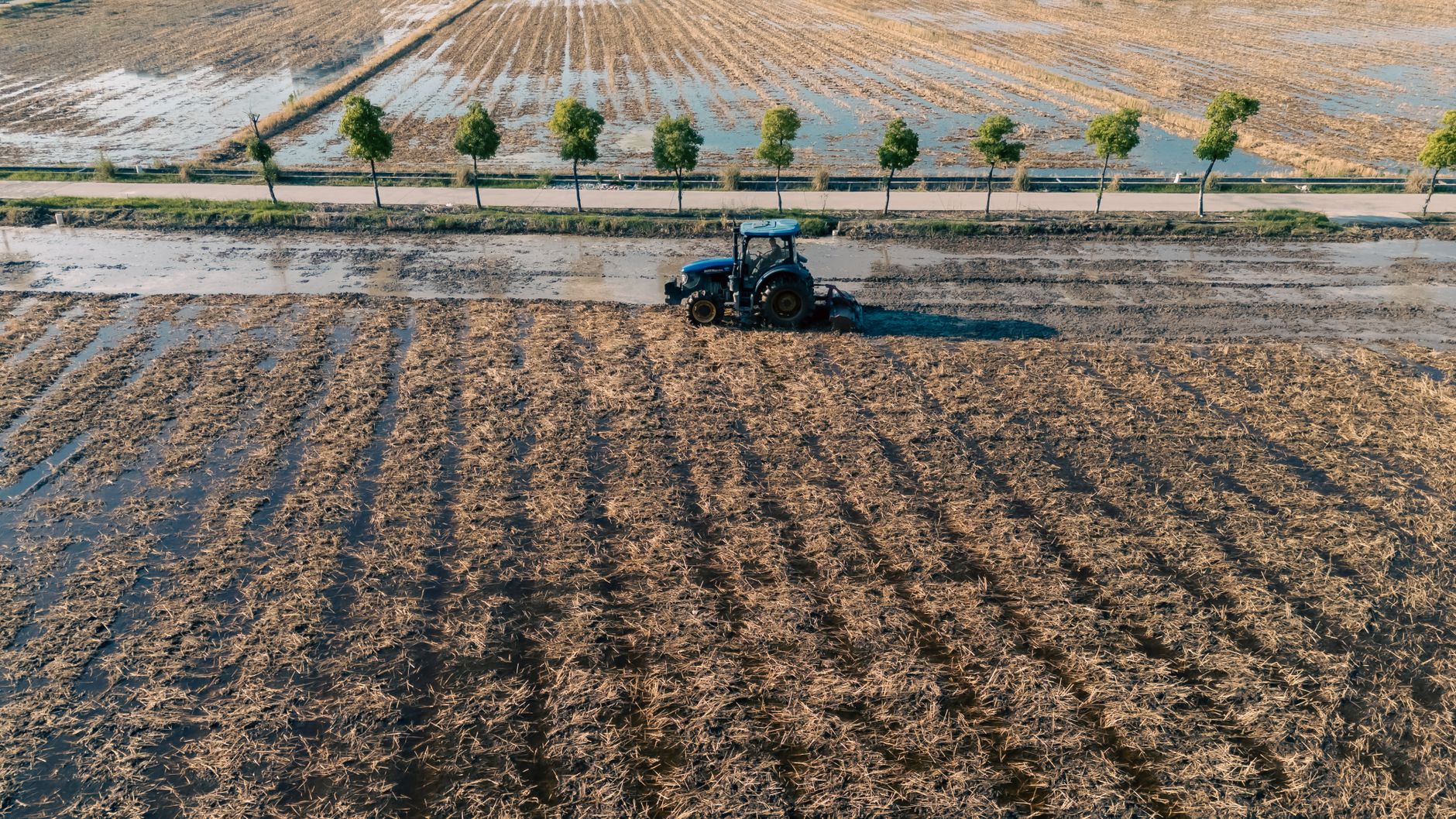
Agriculture has entered a new era where data-driven systems are reshaping traditional farming practices across the globe. Modern growers are increasingly turning to advanced computational platforms, satellite telemetry, and autonomous machinery to manage their fields with mathematical precision. These technologies allow farm operators to monitor soil health, predict localized weather events, and optimize resource usage in ways that were previously unimaginable. As the agricultural sector faces tightening margins and volatile environmental conditions, high-tech tools are becoming essential standard equipment for competitive commercial operations.
According to reporting by the Times Union, the integration of smart field analytics is driving unprecedented efficiency gains across diverse crop categories. Sensor networks embedded directly into the soil now transmit real-time data on nitrogen levels, moisture content, and micro-climate fluctuations directly to centralized management software. Farmers can analyze these metrics on handheld devices while standing in the field, making immediate adjustments to irrigation schedules and fertilizer applications. This granular level of oversight helps eliminate guesswork, leading to healthier plants and significantly higher harvests per acre.
REDUCING INPUT COSTS AND BOOSTING CROP YIELDS
The financial landscape of commercial farming depends heavily on managing input costs such as fuel, water, seed, and chemical treatments. Machine learning algorithms analyze decades of historical yield data alongside real-time weather forecasts to dictate the precise depth, spacing, and timing for planting seeds. By optimizing field layouts and seed placement, growers maximize sunlight exposure and root space for every plant. These small efficiency gains compound across thousands of acres, translating into substantial yield increases that directly improve farm profitability.
Resource conservation represents another major financial advantage of automated agricultural systems. Autonomous tractor implements equipped with computer vision can identify individual weeds tucked between crop rows in real time. Targeted spraying systems then deploy precise micro-doses of herbicide directly onto targeted weeds while leaving surrounding plants entirely untouched. Industry data highlights that this targeted approach can reduce chemical application volumes by up to eighty percent. Farmers save significant funds on chemical inputs while simultaneously reducing chemical runoff into nearby watersheds.
ADAPTING TO CLIMATE EXTREMES AND WATER SCARCITY
Climate unpredictability presents one of the greatest operational threats to the global food supply chain. Prolonged droughts, shifting heat zones, and unpredictable storm cycles make historical planting calendars increasingly unreliable. Algorithmic modeling helps farmers adapt to these environmental shifts by forecasting weather patterns with extraordinary localized detail. Predictive models evaluate atmospheric data to warn growers about impending late frosts, sudden heat waves, or localized pest outbreaks weeks before traditional forecasting methods would detect them.
Water management has become a prime focus for high-tech intervention, particularly in arid agricultural regions. Smart drip irrigation setups adjust water delivery automatically based on real-time soil moisture evaporation rates and upcoming precipitation forecasts. Instead of watering fields on fixed schedules, systems supply liquid only when plant stress indicators reach specific operational thresholds. This automated precision prevents water waste, protects vulnerable aquifer supplies, and ensures that crops receive optimal hydration during critical growth cycles without risking root rot or fungal infections.
ADDRESSING LABOR SHORTAGES THROUGH AUTOMATION
Finding qualified manual labor remains a persistent bottleneck for fruit, vegetable, and commodity crop producers nationwide. Autonomous harvesting equipment, self-driving tractors, and aerial field drones are helping farm operators bridge these chronic workforce gaps. Unmanned aerial vehicles sweep across hundreds of acres in minutes, capturing multi-spectral imagery to pinpoint crop stress, irrigation leaks, or disease vectors long before problems become visible to the naked eye. This early detection capability allows smaller farm crews to manage vastly larger properties efficiently.
Robotic harvesters equipped with advanced camera systems are also beginning to transform labor-intensive specialty crop sectors. Computer vision systems evaluate the color, size, and softness of delicate tree fruit to determine peak ripeness before automated grippers pluck the produce from the branch. While these heavy machinery systems require substantial upfront capital investments, the long-term operational savings and reduced reliance on seasonal labor make the technology attractive to large agricultural enterprises seeking stability in uncertain labor markets.
The effects of these agricultural technological advances ripple far beyond the field, directly influencing food supply chains and consumer pricing. Consistent, predictable crop yields help stabilize wholesale ingredient costs for food manufacturers, distributors, and restaurant operators. When farm productivity remains high despite adverse weather, food service businesses experience fewer unexpected price spikes for essential commodities like grains, produce, and cooking oils. Enhanced predictability allows restaurant operators to maintain consistent menu pricing and protect operating margins.
Furthermore, field-level data collection improves supply chain transparency from farm to table. High-tech harvesting and packing operations track produce batches using digital identifiers, recording the exact field, date, and environmental conditions under which crops were grown. If a food safety issue arises, distributors can trace contaminated lots back to specific field parcels in minutes rather than days. This rapid trace-ability minimizes broad product recalls, reduces food waste, and protects restaurant brands from widespread inventory disruptions.
For consumers and restaurant professionals, the technological evolution of commercial farming offers welcome relief from relentless food price inflation. As farm operations adopt data analytics and automated machinery, the reduced input costs and higher harvest yields help cushion the wholesale food market against severe price spikes caused by climate events. This efficiency translates into more predictable ingredient pricing for commercial kitchens and steady grocery bills for household shoppers.
Additionally, smart agricultural practices contribute to a more sustainable and resilient food supply chain. Lower chemical usage and reduced water consumption mean that produce reaches market with a smaller environmental footprint. Diners can expect improved product quality, longer shelf life, and greater availability of out-of-season produce as growers use predictive modeling to extend growing cycles. Embracing technology in the field ensures that the food industry can feed a growing population while navigating environmental and labor challenges.
More from the Foodie Pundit Newsroom
- New Downtown Brewery Project to Boost Cary Hospitality Scene This Summer
- Gen Z Fast Food Loyalty Centers on Top Burger Brands as Value Trends Shift
- Consumer Satisfaction Rankings Reveal New Dynamics in Fast Food Industry
- Social Media Driven Shortcut Recipes Reshape Everyday Meal Preparation Trends
- California Restaurant Closures Mount As Major Chain Pulls Back From 25 Locations