Nara Organics baby formula recall after botulism hospitalizes 3 infants
Nara Organics baby formula is recalled after botulism hospitalized three infants who drank it, sparking a massive investigation.
By Foodie Pundit Newsroom - Published - Updated - Section: Food Safety
Key points
- Nara Organics has recalled all Whole Milk Organic Powdered Infant Formula following three hospitalizations for infant botulism.
- The product was sold nationwide through Target stores and online, highlighting a massive supply chain risk for a premium 'organic' brand.
- The FDA-approved treatment, BabyBIG, was required for the infants, indicating the extreme severity of the contamination allegations.
A nightmare scenario for parents and the organic food industry is unfolding as state and federal officials launch an aggressive investigation into Nara Organics. This is not just a standard recall, it is a high-stakes public health crisis involving infant botulism, a rare but life-threatening condition. On June 13, 2026, the Food and Drug Administration (FDA) signaled the alarm, leading to a massive recall of Nara Organics Whole Milk Organic Powdered Infant Formula.
The situation is heavy. We are talking about three infants, aged 2 to 5 months, across three different states (California, Pennsylvania, and Washington) who were hospitalized after consuming this specific formula. This is the kind of "corporate tea" that nobody wants to spill, but the industry needs to drink. When a brand marketed as "organic" and "whole milk" - keywords that usually signal safety and premium quality to wellness-conscious Millennials and Gen Z parents - is linked to a deadly toxin, the trust fallout is massive.
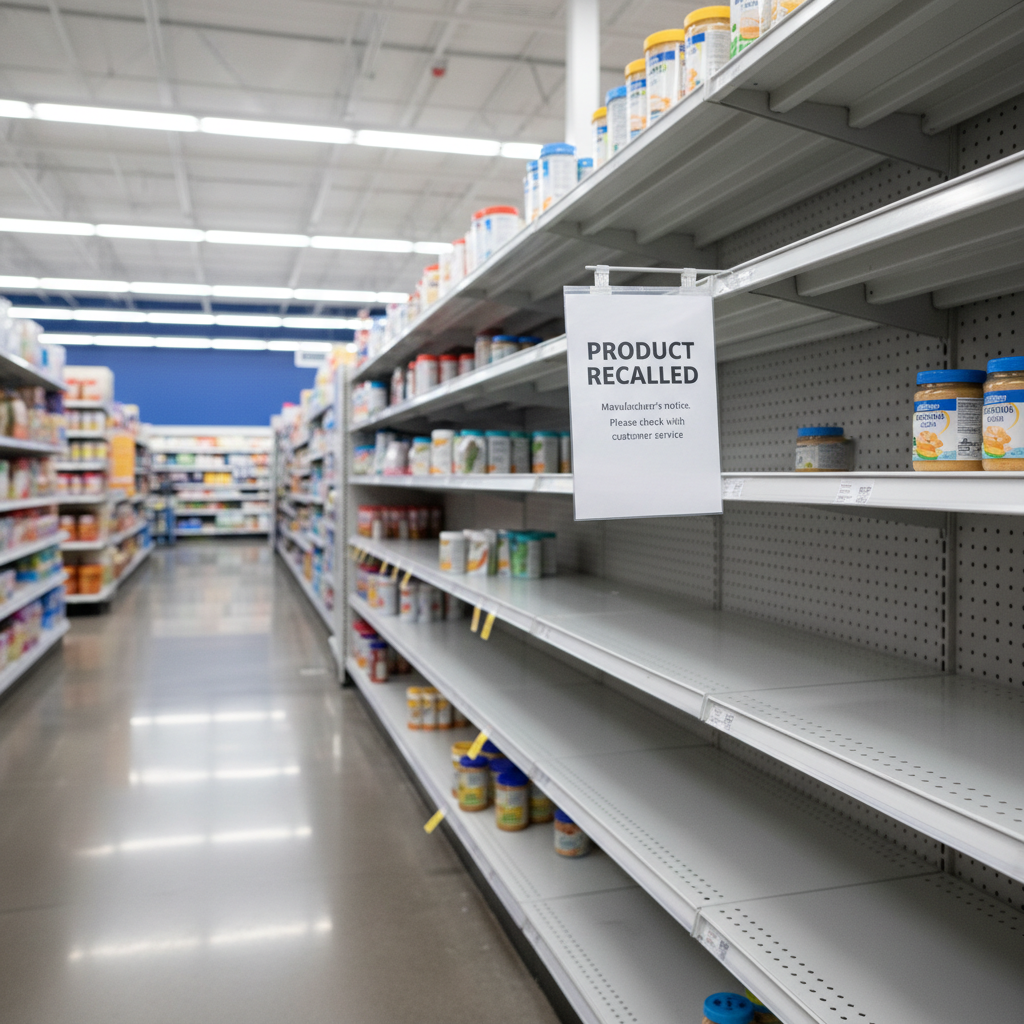
The FDA did not play around here. On June 12, they contacted Nara Organics and recommended a full recall based on "the severity of illnesses and the epidemiological signal." By June 13, the company agreed to pull all of their Nara Organics brand Whole Milk Organic Powdered Infant Formula from the market.
This isn't just a niche grocery store issue. This product was sitting on the shelves of Target across the country and was a major player in the online direct-to-consumer space via Target. com and the company's own website. Who Is On The Hook
The primary defendant in the court of public opinion, and likely soon in a court of law, is Nara Organics. But as we often see in these major food safety meltdowns, the "hook" is much wider than just the name on the front of the tin.
Nara Organics is at the center because they are the brand responsible for the final product, the quality control, and the marketing that convinced parents this was a safe choice for their babies. However, because this is an imported organic product, the legal and regulatory eyes will eventually turn toward the overseas manufacturing facilities where the powder was processed. Who handled the raw milk?
Were the sterilization protocols followed? If the contamination happened at a third-party packing facility, they could find themselves dragged into the litigation.
Then there is the retail giant, Target. While retailers are often shielded from some liability if they didn't know the product was tainted, being the primary host for a dangerous product carries a massive brand-equity risk. For the parents whose children are currently in the hospital, Target was the trusted gatekeeper that allowed this product into their homes.
The affected families, currently the plaintiffs in this evolving narrative, have navigated the ultimate trauma. Their infants had to be treated with BabyBIG, a specialized and incredibly expensive botulism immune globulin. This treatment is only used in severe cases, which underscores the gravity of the allegations. The Allegations Unpacked
The core of the issue is Clostridium botulinum. This is a bacterium that produces dangerous toxins under low-oxygen conditions. In the context of infant formula, the spores can germinate in the baby's gut and release a neurotoxin that causes muscle paralysis. For an infant, this means they lose the ability to breathe or swallow.
The allegations are straightforward but devastating:
First, there is a "strict liability" claim. In the world of food law, if you sell a product that is "unreasonably dangerous" or defective, you are liable for the harm it causes, regardless of whether you were "trying" to be safe. If the formula contains botulism spores, it is defective by definition.
Second, there is the "failure to warn" and "breach of warranty." Nara Organics sold this formula as a premium, organic, safe alternative for infant nutrition. By marketing it as a safe product for 2-month-old babies, they created an implied and expressed warranty that the product was fit for that use. The presence of botulism is a direct breach of that promise.
Third, the investigation will look at the import process. Since this product was brought into the U.S. from abroad, there are strict FSVP (Foreign Supplier Verification Program) rules that Narr Organics was supposed to follow. The allegation here would be that the company failed to properly vet their international supply chain to ensure it met U.S. safety standards. Financial Fallout
The financial numbers surrounding this case are going to be staggering. Let's start with the immediate medical costs. BabyBIG, the treatment used for the three hospitalized infants, is notoriously expensive.
We are talking about hundreds of thousands of dollars just for the medication and the intensive care unit stays. In a civil lawsuit, Nara Organics (and their insurers) could be on the hook for these medical bills, plus compensation for the pain and suffering of the infants and the emotional distress of the parents.
Then there is the cost of the recall itself. Removing a product from every Target store in America plus pausing all online fulfillment is a logistical and financial nightmare. We are looking at millions of dollars in lost inventory, shipping costs for returns, and the absolute decimation of the Nara Organics brand value.
For a mid-sized "premium" brand, a recall of this scale can be a death sentence. Investors are likely to pull back, and the cost of product liability insurance for the company will skyrocket, assuming they can even find a carrier willing to cover them after a botulism outbreak. If the testing currently being conducted by officials in two states confirms the presence of the toxin in leftover formula, the legal settlements could easily reach into the multi-million dollar range per case. Big Tobacco Parallels
You might wonder how a baby formula recall relates to Big Tobacco. In the legal world, it's all about the "playbook." For decades, Big Tobacco knew their products were harmful but marketed them as lifestyle choices, focusing on "freedom" and "coolness" while burying the risks.
Sources and methodology
Reported from the public datasets below.