The Unlikely Breakfast That Broke The Internet: How Cottage Cheese And Eggs Drove A Viral Food Revolution
A simple, protein-packed recipe's surge on TikTok reveals a fundamental shift in consumer behavior, supply chains, and the very nature of modern food trends.
By Foodie Pundit Newsroom - Published - Updated - Section: Chain Watch
Key points
- The cottage cheese egg trend highlights a major shift in consumer preference towards high-protein, low-carbohydrate breakfasts, moving away from traditional sugary options.
- TikTok's algorithm, which favors visually appealing, easily replicable, and customizable content, was the primary catalyst for transforming this simple recipe into a global phenomenon.
- The trend has revitalized the cottage cheese category, rescuing it from its outdated 'diet food' image and driving significant sales growth for brands that align with modern wellness values.
- For food businesses, this trend demonstrates the power of social media in dictating consumer demand and provides a blueprint for low-cost, high-margin menu innovation that can be rapidly deployed.
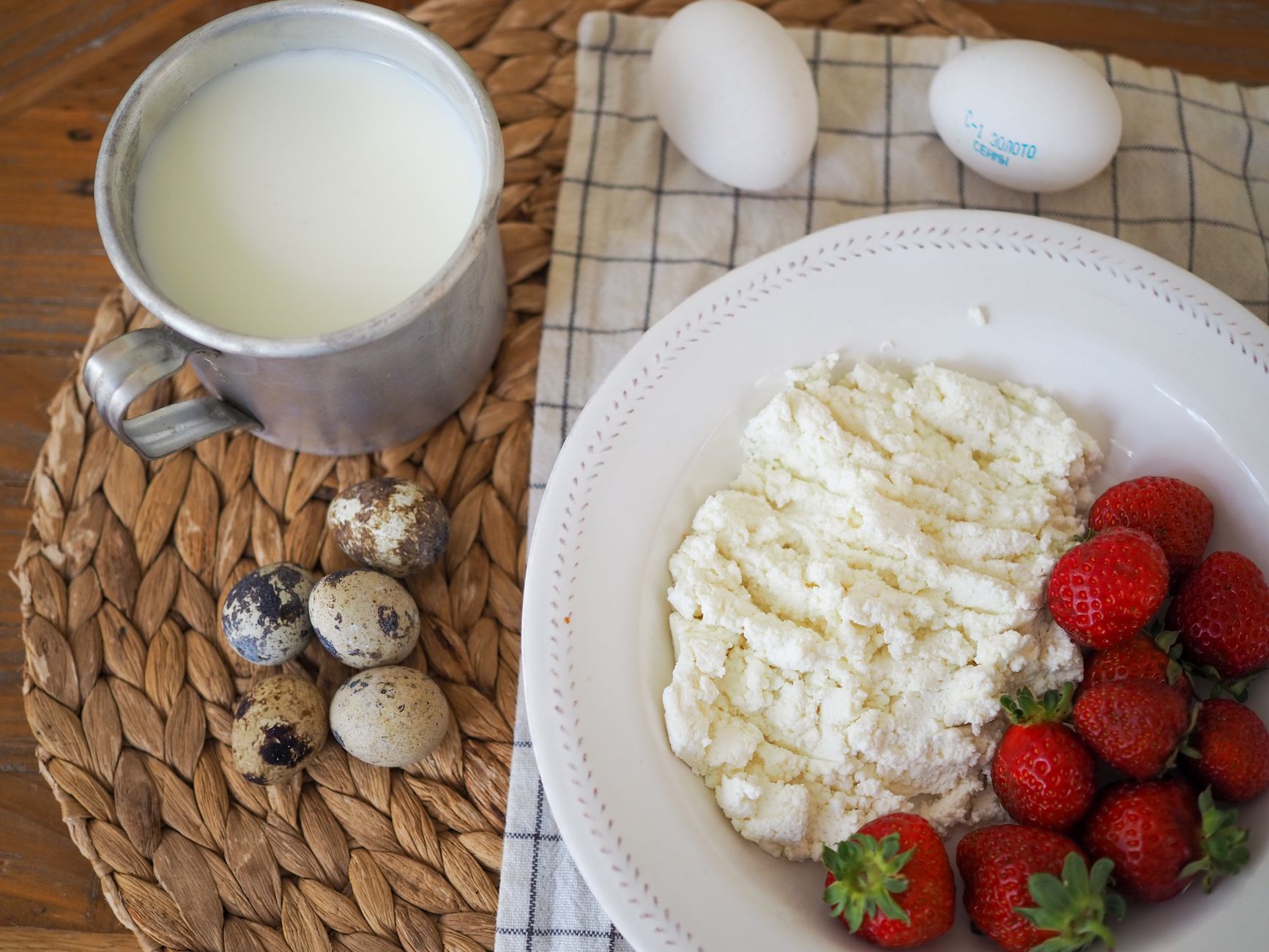
It began, as many modern phenomena do, with a short video. A user on TikTok, seeking a quick and healthy breakfast, blended cottage cheese with a couple of eggs, poured the frothy mixture into a hot pan, and cooked it. The result was a fluffy, golden, protein-rich dish that looked like a pancake or a delicate omelet, but promised a savory, cheesy flavor and a satisfyingly creamy texture. The post, and countless others that followed, went viral, and a culinary trend was born, inadvertently positioning eggs not just as a breakfast staple, but as a surprisingly volatile economic commodity in the process.
The original article from Mashed, titled "TikTok's Cottage Cheese Eggs: Your Next Viral Breakfast?" , chronicled the early stages of this recipe's ascent. Its disappearance from the web left a void, but the trend itself has only accelerated, moving from a niche social media curiosity to a mainstream dietary staple, even as the latest federal data shows eggs (CRUDE: FARM, SHELL) are currently priced at a staggering $3.00, representing a 3.45% increase from the previous period and a 16.28% jump from a year ago.
Understanding the rise of cottage cheese eggs is more than just understanding a recipe. It is a case study in the mechanics of 21st-century food culture, the rehabilitation of a once-maligned ingredient, and the powerful intersection of social media, health consciousness, and the undeniable economic reality of fluctuating food prices.
This simple combination of two household staples has, in a matter of months, sparked a renaissance for the dairy industry, altered breakfast routines for millions, and provided a clear lesson for food brands, restaurants, and marketers: the next big thing may already be sitting in the back of your refrigerator.
TikTok, more than any other platform, has become the world's most powerful food trend incubator. Its algorithm, which prioritizes user engagement above all else, creates a perfect environment for recipes to achieve escape velocity. The platform’s video-centric format favors content that is visually arresting and easily digestible, both literally and figuratively. Unlike the polished, aspirational content of Instagram or the detailed, text-heavy recipes of traditional food blogs, TikTok thrives on authenticity and accessibility.
The cottage cheese egg trend fit the mold perfectly. The videos are mesmerizing in their simplicity. The sight of lumpy cottage cheese transforming into a velvety smooth liquid in a blender is inherently satisfying.
The sizzle of the batter hitting a hot, oiled pan is classic food porn. The final "flip" and the reveal of a perfectly golden-brown crust provide a miniature dramatic arc in under 60 seconds. This visual journey is key to its shareability.
Furthermore, the barrier to entry is exceptionally low. The core ingredients, cottage cheese and eggs, are affordable and widely available. No special equipment is needed beyond a blender and a pan.
This accessibility is a critical component of viral food phenomena.
While complex gastronomic creations can be admired, a recipe that viewers can realistically make for breakfast the next morning is one they will save, share, and try. This user participation creates a powerful feedback loop, with each new video adding to the trend’s momentum.
Other viral recipes, like the baked feta pasta of 2021, followed a similar trajectory. They utilized common ingredients, offered a novel preparation technique, and produced a visually appealing result. The cottage cheese egg trend, however, has demonstrated greater staying power, largely because it plugs directly into dominant contemporary dietary philosophies. It is not just a novelty; it is a solution.
To appreciate the magnitude of this trend, one must understand the recent history of cottage cheese itself. For decades, it was a C-list celebrity in the dairy aisle, a food associated with deprivation, not desire. It was the star of lackluster 1970s diet plates, often served with a lonely slice of cantaloupe or a sprinkle of paprika for color. Its lumpy texture was a common point of contention, and its association with restrictive eating habits gave it an unappealing, clinical aura.
By the 2000s, cottage cheese had been largely supplanted by Greek yogurt as the go-to high-protein dairy snack. Yogurt was smoother, available in more flavors, and marketed more effectively as a lifestyle product. Cottage cheese sales stagnated. It was a functional food in an era that was beginning to demand that its food be fashionable as well.
The tide began to turn quietly in the late 2010s, driven by the rise of high-protein, low-carbohydrate diets. As consumers became more educated about macronutrients, the nutritional profile of cottage cheese demanded a second look. It is packed with casein protein, a slow-digesting protein that promotes a feeling of fullness and aids in muscle recovery. A single cup can contain over 25 grams of protein, often more than its equivalent in Greek yogurt, with fewer carbohydrates and sugars.
Newer brands entering the market played a crucial role in its rehabilitation. Companies like Good Culture and Muuna began marketing cottage cheese in single-serving cups with modern branding. They offered full-fat versions, which have a richer flavor and creamier consistency, directly challenging the non-fat diet food stereotype. They also introduced savory and sweet flavor mix-ins, positioning cottage cheese not as a diet punishment, but as a versatile and convenient meal component.
The cottage cheese egg trend was the explosion that followed this slow burn. It provided a new, and for many, a more palatable, way to consume the product. Whipping the cottage cheese in a blender completely neutralizes the textural issue that had long been a barrier for many consumers.
It transforms the lumpy curds into a smooth, creamy liquid, making it a stealth ingredient. You get all the protein and the subtle tangy flavor without the controversial texture. This innovation, broadcast to millions on TikTok, was the key that unlocked the mass-market potential of cottage cheese for a new generation.
The economic impact was immediate and staggering. In the wake of the trend, social media was flooded with users complaining that their local grocery stores were completely sold out of cottage cheese. Sales figures confirmed the phenomenon. Dairy industry reports showed a significant spike in cottage cheese sales, with some reports indicating a year-over-year increase of over 15-20% in the months following the trend's peak, a dramatic reversal of fortune for a once-stagnant category.
The success of the cottage cheese and egg combination is not just a matter of social media hype; it is grounded in food science. The pairing works on multiple levels to create a final product that is more than the sum of its parts. The most important transformation, as noted, is the texture.
The mechanical action of the blender’s blades breaks down the casein protein curds in cottage cheese, creating an emulsion. The proteins and water content are evenly distributed, resulting in a smooth, liquid base similar to a crepe batter or a thinned-out pancake mix.
When this mixture is introduced to heat, two key processes occur. First, the proteins in both the eggs and the cottage cheese begin to denature and coagulate. This is what sets the liquid into a solid, giving the dish its structure. Because the cottage cheese has been evenly distributed, it forms a cohesive matrix with the eggs, resulting in a tender, custardy interior.
Second, the Maillard reaction takes place on the surface of the mixture that is in contact with the pan. This is a chemical reaction between amino acids and reducing sugars that gives browned food its distinctive flavor. The proteins from the eggs and cheese and the small amount of lactose (a sugar) in the cottage chee
Sources and methodology
Reported from the public datasets below.
More from the Foodie Pundit Newsroom
- When Tariffs Bite: How Bazooka Bubblegum Chewed Through Supply Chain Chaos
- The $12 Pint Problem: How A Tropical Fruit You've Never Heard Of Is Fixing Your Icy Ice Cream
- Why That Iced Tea in Your Lunch Combo Now Costs Four Dollars
- Dessert Chain Melt N Dip Plans Coral Springs Location
- Tuna Giant Bumble Bee Dodges Court-Ordered Supply Chain Shakeup Over Forced Labor Claims