Denver Diners: Your Yogurt's Secret Weapon is Coming for Your Medicine Cabinet (and Your Wallet)
Discover how yogurt's liquid byproduct is becoming a potent health solution, impacting Denver's food costs and wellness trends.
By Foodie Pundit Newsroom - Published - Updated - Section: Grocery Cpg
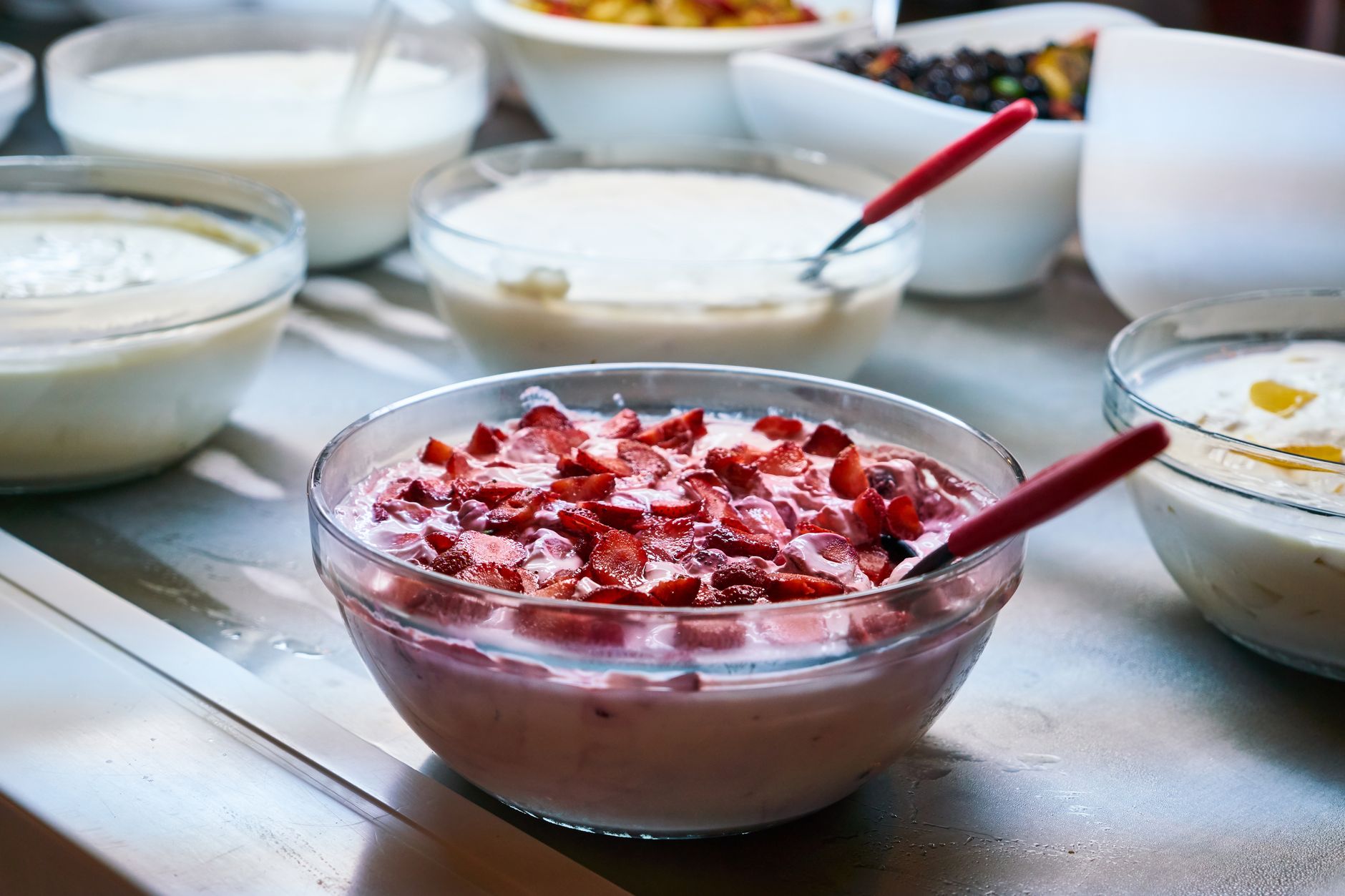
Alright Denver, let's talk about yogurt. Not just any yogurt, but that little puddle of liquid that always seems to appear on top. You know the drill: you grimace, you tilt, you pour it down the drain.
It feels like a chore, a watery imperfection in your otherwise perfectly creamy breakfast. But what if I told you that watery discard isn't a bug, but a feature? And what if this humble byproduct is about to shake up both the wellness industry and, perhaps surprisingly, even the prices at your favorite Denver eateries?
As food economics journalists, we're always looking at how national trends ripple down to our local communities. And right now, with beef prices up 7.7% year-over-year nationally, chicken almost 7% higher, and milk prices a staggering 10.9% increase, every single part of our food system is being re-evaluated for its true value. This includes that seemingly useless liquid from your yogurt.
That liquid, known as acid whey, has long been treated as culinary static. A nuisance to be discarded before you get to the good stuff. But a new wave of research suggests we've been pouring a pharmacy of untapped potential down the drain. Think about it: if every drop of milk is costing more, then recovering value from its byproducts becomes even more critical for producers and, ultimately, for our wallets here in Denver.
A groundbreaking study, blurring the lines between the dairy aisle and the dermatology lab, has transformed the functional essence of this fermented liquid into a sophisticated, dual-action weapon. Scientists are now harnessing the bioactive compounds from the same bacteria that culture your yogurt to create new, smart therapeutics. These aren't just fighting harmful microbes; they're neutralizing oxidative stress with shocking efficiency.
The age of yogurt is over. Welcome to the age of yogurt's ghost.
To understand this revolution, you need to grasp the new lexicon of gut health, which has evolved beyond just "probiotics." For years, probiotics, the live beneficial bacteria found in foods like yogurt, kimchi, and kefir, have been the stars. We consume them by the billions, hoping to bolster our internal armies of good microbes.
But the story doesn't end there. When these probiotic workhorses do their job, they ferment their surroundings, releasing a complex cocktail of metabolic byproducts. This bioactive brew, a cell-free supernatant filled with peptides, organic acids, and enzymes, is what scientists now call "postbiotics."
Think of it this way: if probiotics are the bees, postbiotics are the honey. They are the functional output, the fruits of microbial labor.
For a long time, the focus was entirely on the bees, on keeping them alive. The honey was just a happy, if poorly understood, side effect. This new research flips the script entirely.
It proposes that we might get more targeted, more powerful results by harvesting the honey directly. Scientists are now asking if we can skip the unpredictable process of introducing live bacteria and instead, go straight to using the powerful substances they produce. This could mean more efficient, targeted wellness products hitting the market, potentially impacting everything from supplements to skincare.
So, what does this mean for us Denverites, beyond just our personal health? Well, as producers find more ways to extract value from every component of their products, it could lead to more sustainable practices in the dairy industry. For local favorites like Snooze an A.M. Eatery or Sam's
No. 3, who rely on high-quality dairy for their delicious breakfasts, this could eventually translate to more stable supply chains and potentially mitigate some of those rising ingredient costs we're seeing. If producers can monetize what was once waste, it provides a buffer against other inflationary pressures.
The research team behind the study zeroed in on the postbiotics produced by four specific strains of lactic acid bacteria, the kind of microscopic powerhouses that lie at the heart of countless fermented foods. They investigated Limosilactobacillus reuteri and Limosilactobacillus fermentum, known residents of sourdough starters and fermented dairy. But the two that truly captured their attention were Lacticaseibacillus rhamnosus, or LGG, and a fascinating microbe named Weizmannia coagulans, WCO. LGG is a rockstar of the probiotic world, one of the most extensively studied.
The practical takeaway for Denver residents? Keep an eye on your grocery store shelves and local pharmacies. This isn't just about a new health fad; it's about a fundamental shift in how we view and utilize food byproducts.
As these innovations become mainstream, they could influence everything from the supplements you buy to the sustainability of the dairy products you enjoy at your favorite Denver brunch spot. Every drop counts, and now, it literally could be worth its weight in gold.
Sources and methodology
Reported from the public datasets below.
More from the Foodie Pundit Newsroom
- Global Comfort Fusion Redefines Casual Dining Menus Nationwide
- Global Comfort Food Sweeps Restaurant Menus as Chefs Fuse Classic Dishes with International Spices
- THE GLOW UP: HOW SCI-FI CRYSTALS AND SPACE-AGE TECH ARE ABOUT TO REVOLUTIONIZE YOUR DINNER PLATE
- UK Grocery Inflation Outpaces Western Europe as Shelf Costs Soar
- Global Comfort Dishes Drive Menu Innovation as Diners Crave Bold Flavors